Get cross-chain restaking 2026 right
Before locking capital into cross-chain restaking, you need to verify the underlying infrastructure. This strategy involves moving staked assets across isolated blockchains to boost yields, but it introduces bridge risks and liquidity fragmentation that don't exist in single-chain staking.
Start by confirming your wallet supports the target chains. Most cross-chain restaking requires a non-custodial wallet with multi-chain capabilities. If you rely on Trust Wallet’s cross-chain swap feature, note that it routes transactions internally without third-party bridges, reducing exposure to external smart contract vulnerabilities. For deeper interoperability, protocols like Chainlink CCIP enable secure token and message transfers, but they require interacting with external relayers.
Check liquidity depth on the destination chain. Restaking rewards depend on active validator participation. If the target chain lacks sufficient liquidity, your assets may sit idle, earning zero yield while you pay bridge fees. Use a DEX aggregator like LI.FI or deBridge to test route availability and execution speed before committing large sums. These tools provide the broadest coverage across 30+ chains, ensuring you can actually move your assets when needed.
Finally, audit the bridge’s security history. Cross-chain bridges have been the primary target for exploits in recent years. Prefer protocols with proven track records and transparent audits. Avoid new, unaudited bridges promising unusually high yields. Your capital is only as secure as the weakest link in the cross-chain path.
Work through the steps
Cross-chain restaking lets you stake assets on one chain and use the derived yield or security services on another. This process requires moving assets across bridges and locking them in restaking contracts on target networks like Ethereum L2s or Solana.
Follow this sequence to execute a cross-chain restaking position safely. Each step builds on the previous one. Skipping verification checks can lead to irreversible loss of funds.
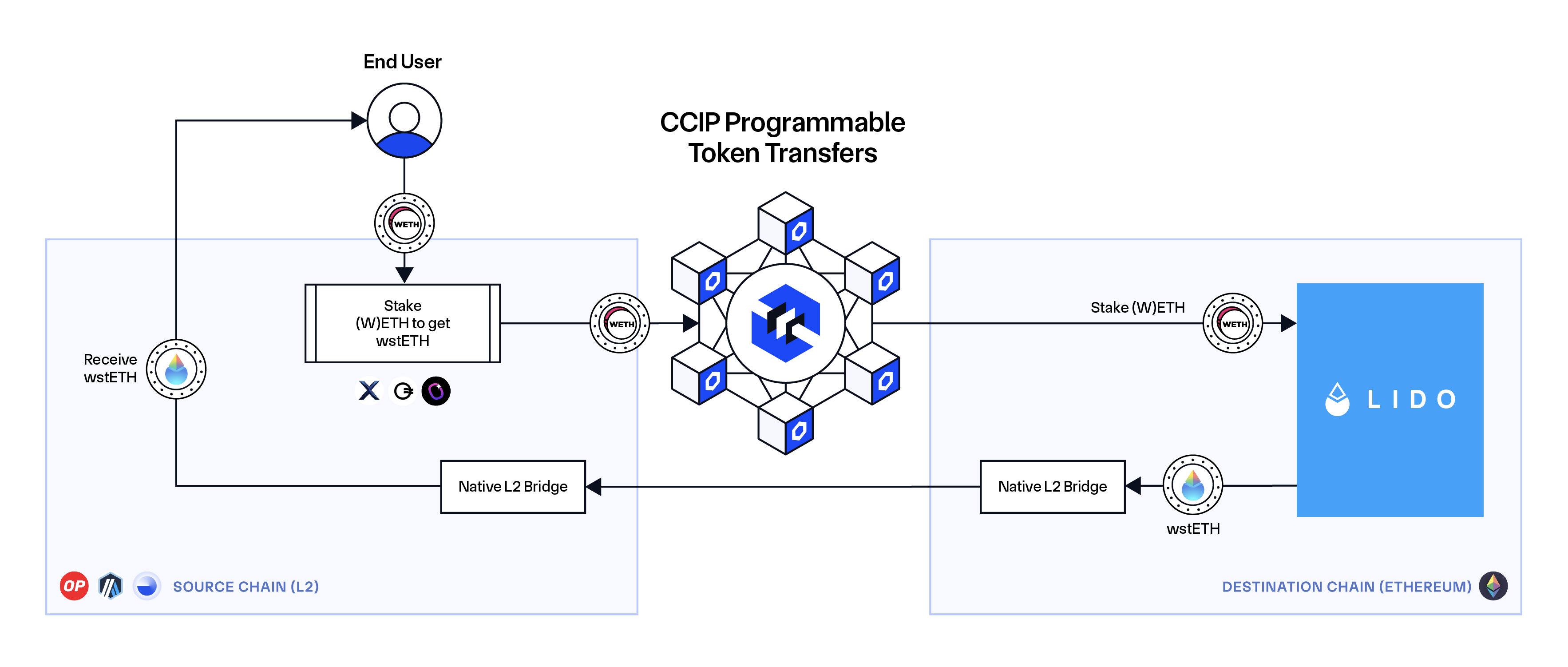
Identify the blockchain holding your staked assets. Most cross-chain restaking starts with liquid staking tokens (LSTs) like stETH or rETH on Ethereum. Verify that the token is supported by your chosen restaking protocol. If your asset is on Solana, check if the protocol accepts native SOL or requires a wrapped version like stSOL.
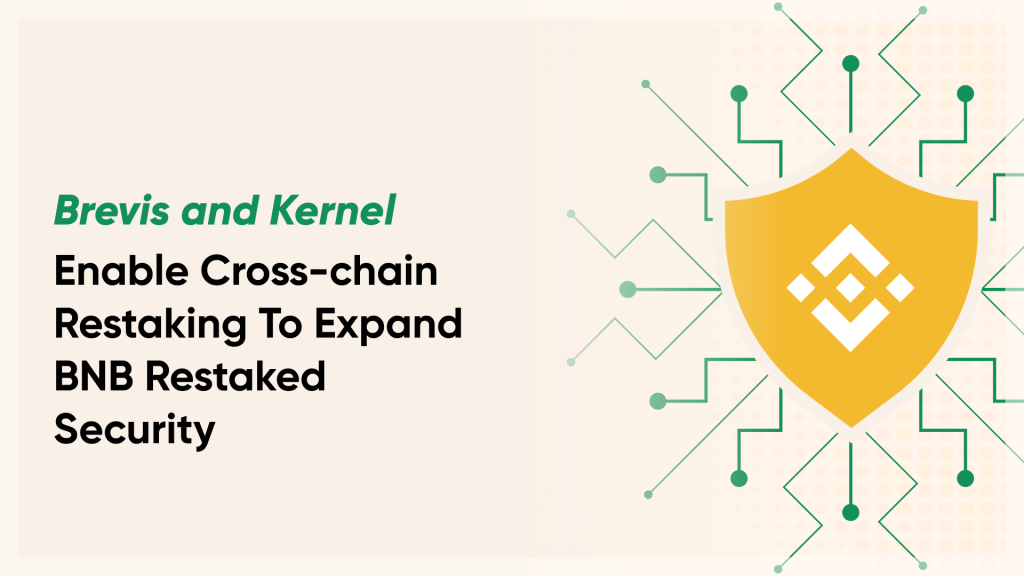
Cross-chain movement requires a bridge. For Ethereum to L2s, use LayerZero or Chainlink CCIP for native interoperability. For broader cross-chain swaps, use aggregators like LI.FI or deBridge. These platforms find the most efficient route across multiple bridges. Always check the bridge’s total value locked (TVL) and audit history before committing significant capital.
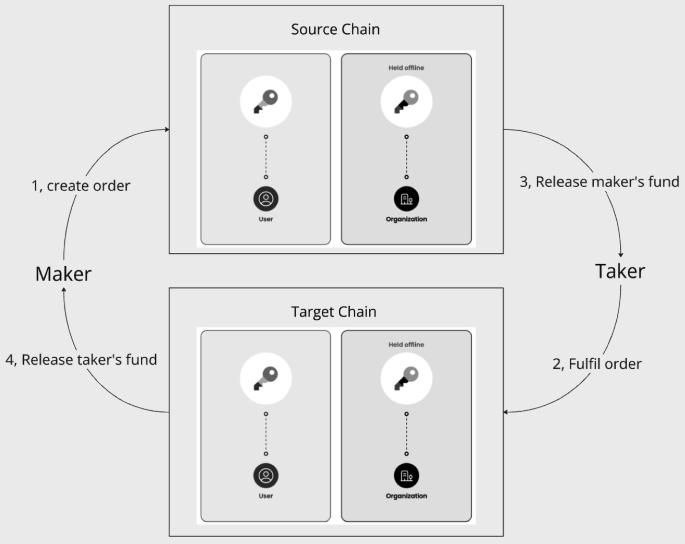
Initiate the transfer from your source wallet. Pay attention to gas fees on both the source and destination chains. Some bridges require you to pay gas on the destination chain upfront. Confirm the destination address matches the restaking contract’s supported network. For example, if restaking on Base, ensure your bridge sends assets to the Base network, not Ethereum Mainnet.

Once the assets arrive on the destination chain, connect your wallet to the restaking protocol. Deposit the received LSTs into the contract. The protocol will issue restaking tokens (rTokens) representing your position. Verify that the rToken balance appears in your wallet. This token is your proof of stake and will accrue yield from validator operations.
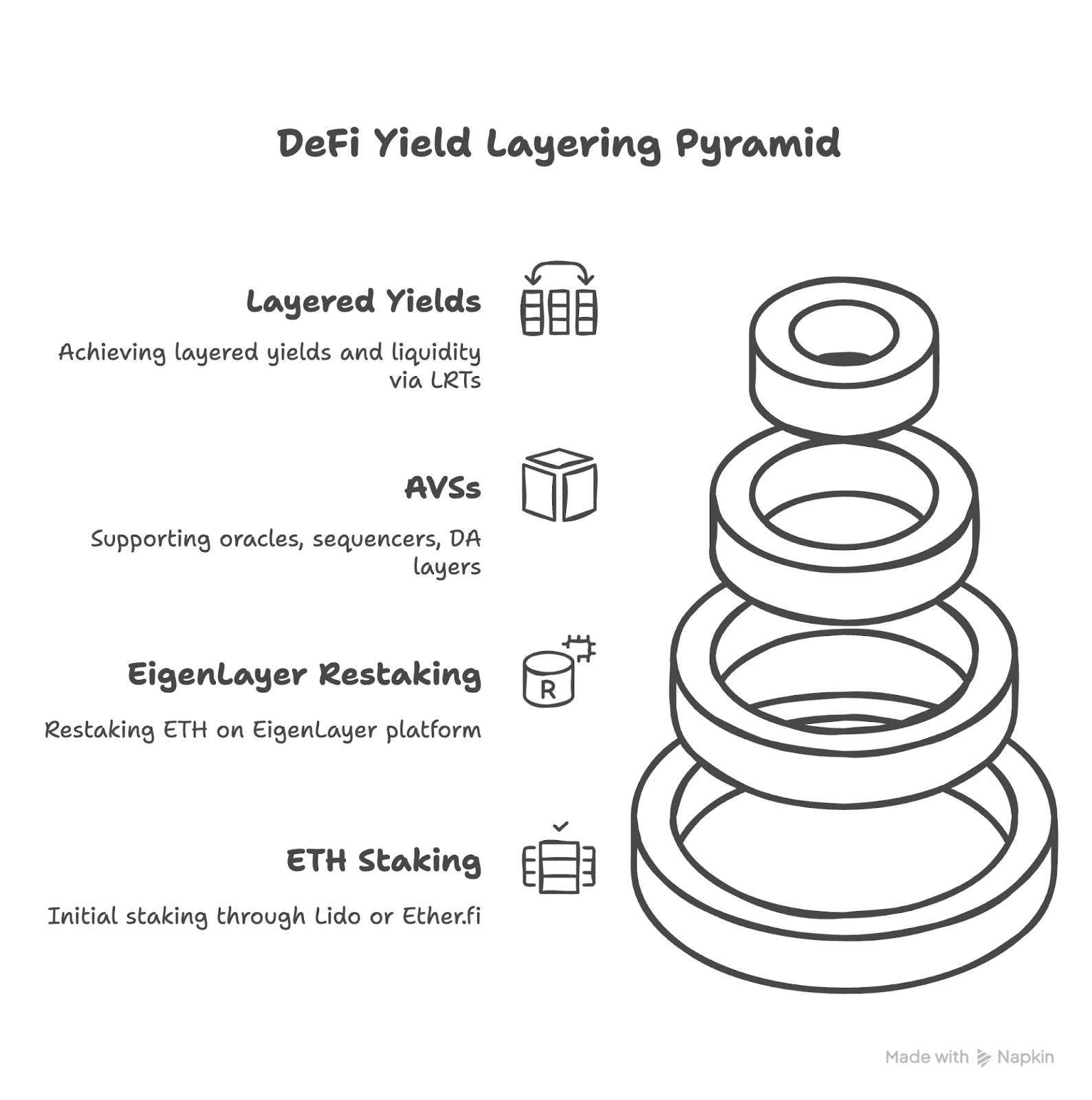
Restaking yields come from validator rewards and network incentives. Monitor the specific validators you are supporting. If a validator goes offline or gets slashed, your restaked assets may lose value. Use protocol dashboards to track uptime and rewards. Rebalance or withdraw if a validator’s performance drops below your risk threshold.
-
Verify bridge TVL and audit status
-
Confirm destination chain network ID
-
Check gas fees on both source and destination
-
Ensure LST is supported by restaking contract
-
Monitor validator uptime and slashing risks
Common mistakes in cross-chain restaking
Cross-chain restaking amplifies both yield and risk. The complexity of moving assets between Ethereum, Solana, and various Layer 2s introduces friction points that can drain returns or lock capital. Avoid these common pitfalls to protect your position.
Ignoring bridge liquidity depth
Many users select bridges based on low fees without checking available liquidity. If the bridge pool lacks sufficient depth, your transaction may fail or suffer extreme slippage during the swap phase. Always verify the current liquidity reserves for your specific token pair on the target chain before initiating the restaking deposit. A failed bridge transaction often incurs gas fees on both the source and destination chains, eating into your potential yield.
Overlooking validator slashing conditions
Restaking involves delegating to validators who secure multiple networks. If you choose a validator with a poor track record or one that operates across incompatible consensus layers, you risk slashing penalties. Slashing can occur if the validator misbehaves on any of the secured chains. Research the validator’s historical performance and ensure they have robust monitoring tools. Do not blindly delegate to the highest-yielding validator; the risk of capital loss often outweighs the short-term APY boost.
Mismatching token standards and decimals
Assets like ETH on Ethereum have different decimal representations and wrapping standards than their counterparts on Solana or L2s. Transferring unwrapped native tokens across chains without proper wrapping can result in permanent loss or inability to interact with the restaking protocol. Ensure you are using the correct wrapped version (e.g., wETH, stETH) required by the destination protocol. Check the token contract addresses on the target chain to confirm compatibility before bridging.
Neglecting exit liquidity and lock-up periods
Restaking often involves lock-up periods that differ from standard staking. If you need to exit a position quickly, the restaking protocol or the underlying bridge may have limited exit liquidity. This can force you to sell at a significant discount or wait an extended period for funds to unbond. Always read the terms of the restaking layer to understand the unbonding time and any associated fees for early withdrawal. Plan your capital allocation so that restaked assets remain idle for the duration of the lock-up period.
No comments yet. Be the first to share your thoughts!