
What cross-chain restaking enables
Cross-chain restaking extends the security model of protocols like EigenLayer beyond their native blockchain. While standard liquid staking locks assets to secure a single base layer, restaking reuses those staked assets to provide slashable security for external services, such as oracles or bridge validators. This mechanism multiplies the utility of the capital, but it also compounds the risk profile.
The "cross-chain" component introduces interoperability protocols to move these restaked positions across different networks. Instead of bridging tokens directly—a process that often requires locking assets on one chain and minting wrapped versions on another—modern protocols use cross-chain messaging to verify state proofs. This allows a validator’s stake on Ethereum to secure a service on a different chain without moving the underlying tokens, reducing bridge dependency risks.
However, this architecture creates a complex attack surface. As noted in research on liquid staking trends, cross-chain restaking provides slashable security without necessarily bridging tokens to the consumer PoS chain, yet it still relies on the integrity of the messaging layer. If the cross-chain protocol fails or is compromised, the restaked assets remain exposed to slashing conditions from the original chain, potentially leading to total loss of the staked principal.
The primary advantage is capital efficiency. Validators can earn yield from multiple sources simultaneously—base staking rewards, restaking incentives, and cross-chain service fees. But this efficiency comes at the cost of transparency and control. Users must trust that the cross-chain messages accurately reflect the state of the source chain and that the slashing conditions are enforceable across all involved networks.
Compare Restaking Protocols
Cross-chain restaking amplifies yield but compounds risk. A failure in the bridge or the destination chain can lead to total loss, not just slashing. Evaluating the security model is the primary filter for capital allocation.
The following comparison outlines the structural differences between EigenCloud, Kernel, and ZetaChain. These platforms represent distinct approaches to securing assets across fragmented liquidity.
| Protocol | Security Model | Primary Assets | Bridge Type |
|---|---|---|---|
| EigenCloud | EigenLayer AVS delegation | ETH, Liquid Staking Tokens | CCIP (Chainlink) |
| Kernel | BNB Chain Restaking | BNB, BNB Liquid Staking | Brevis (Trustless) |
| ZetaChain | Omnichain Smart Contracts | BTC, ETH, ZETA | Native Omnichain |
EigenCloud leverages Chainlink CCIP to delegate restaking points to Actively Validated Services (AVS). This model relies on the security of the underlying EigenLayer set while using CCIP for message passing. The primary risk lies in the complexity of the AVS delegation layer.
Kernel integrates with Brevis to enable trustless cross-chain restaking on the BNB Chain. By utilizing Brevis’s infrastructure, Kernel aims to reduce the trust assumptions typically required for bridging. The focus is on expanding BNB restaked security to other chains.
ZetaChain operates as an omnichain network, allowing smart contracts to interact with external chains natively. This approach eliminates traditional bridges by using a dedicated blockchain for interoperability. The security model depends on ZetaChain’s consensus mechanism rather than external bridge validators.
Executing the cross-chain restaking flow
Cross-chain restaking is not a passive yield farm; it is a multi-layered security protocol that compounds risk at every hop. When you move a liquid restaking token (LRT) across chains, you are not merely transferring value—you are extending the attack surface of your position. A single vulnerability in the bridge or the destination LRT contract can lead to total loss. Proceed with the understanding that convenience is the enemy of security.
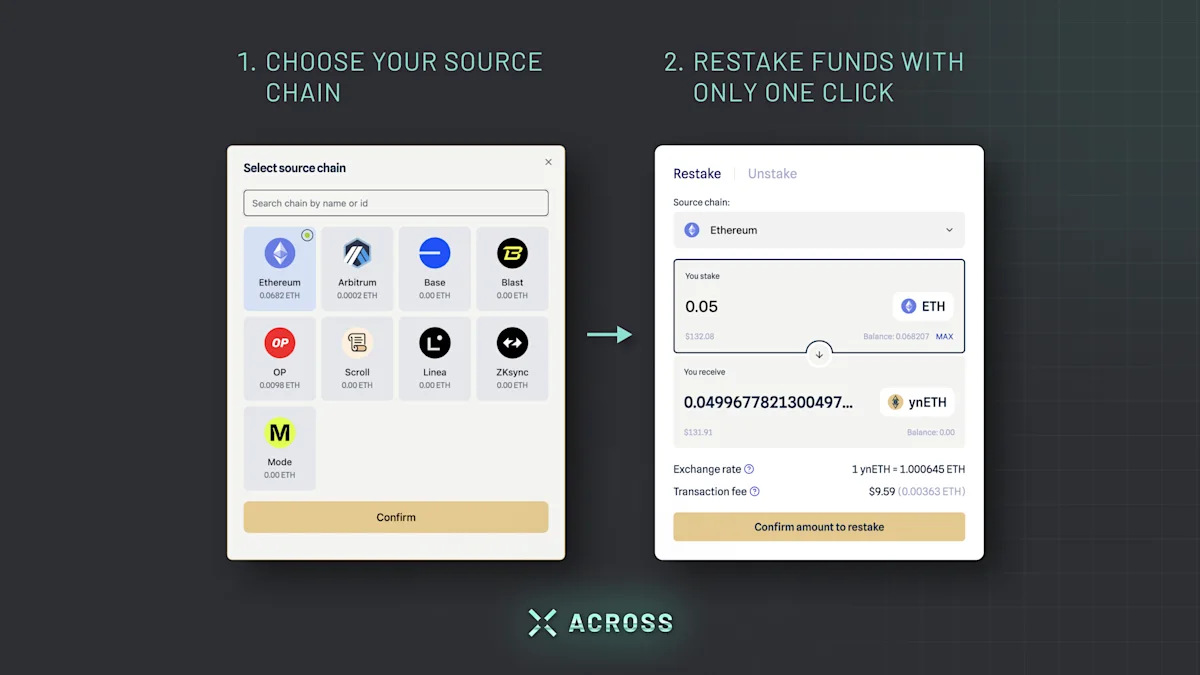
Begin by identifying the liquid restaking token that matches your risk tolerance. Not all LRTs are created equal; some are wrapped versions of native protocols, while others are native to the destination chain. Verify that the destination chain supports the specific LRT you intend to use. If the token does not exist natively, you will need a bridge that supports its specific contract standard. Check the LRT’s documentation for cross-chain compatibility lists to avoid unsupported deployments.
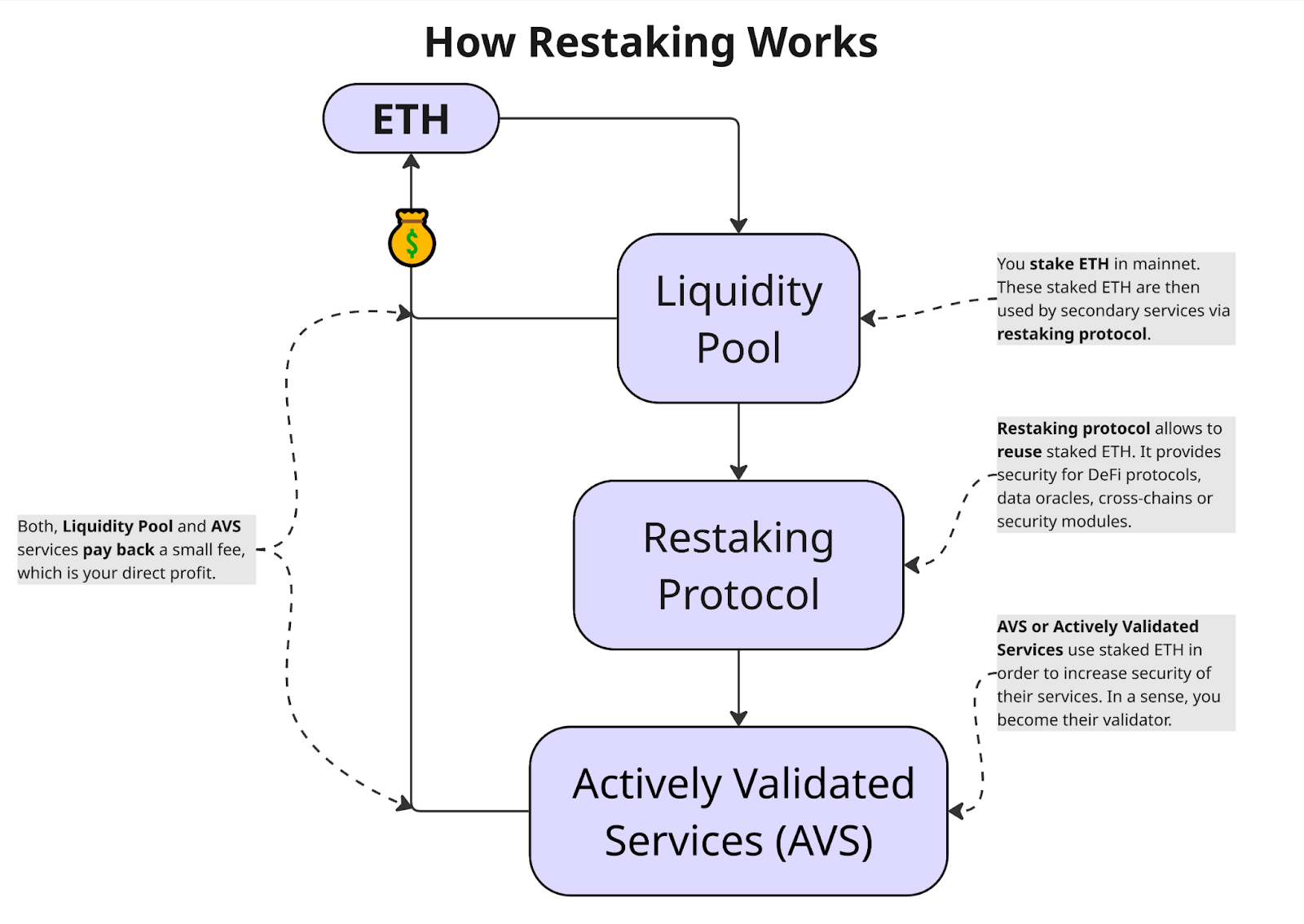
Connect your wallet to a reputable cross-chain bridge. The process typically involves locking your LRT on the source chain and minting a wrapped version on the destination chain, or vice versa. This step introduces bridge-specific smart contract risk. Before signing any transaction, inspect the bridge’s total value locked (TVL) and its audit history. Use official bridge interfaces rather than third-party aggregators that may route through less secure pathways. Ensure the gas fees on the destination chain are sufficient to complete the minting process.
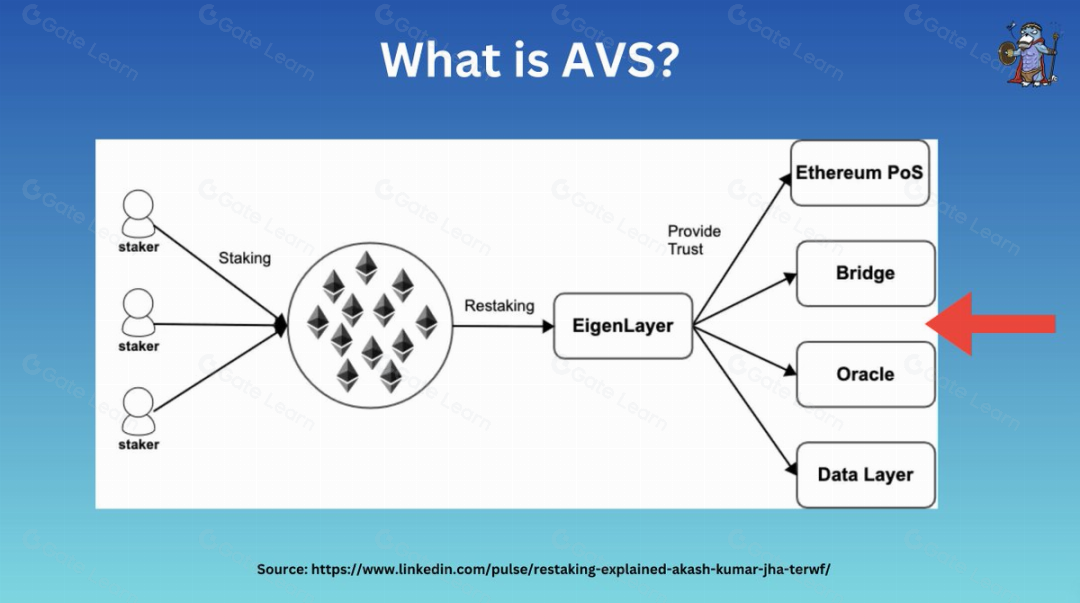
Once the LRT arrives on the destination chain, interact directly with the restaking smart contract. This is where the compounded risk materializes. By restaking the LRT, you are delegating the underlying staked assets to secure additional services, such as oracle networks or sequencers. Read the contract’s interface carefully to understand which specific services your assets will back. A mistake here—such as restaking on a protocol with a weak security model—can trigger slashing events that drain your entire position.
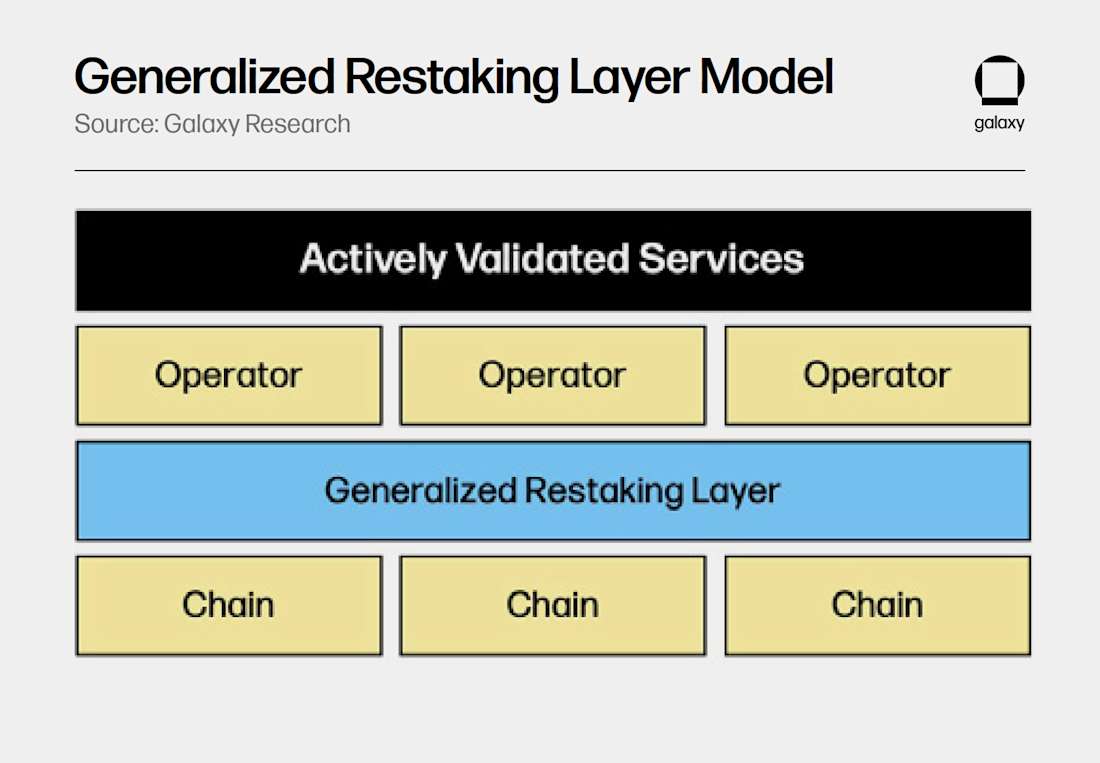
Restaking is not a set-and-forget strategy. You must actively monitor the health of both the bridge and the restaking protocol. Slashing can occur if the underlying validators misbehave on the source chain, and this penalty propagates to your LRT on the destination chain. Additionally, watch for bridge congestion or network upgrades that could freeze your assets. Set up alerts for any protocol changes or security incidents. If the bridge experiences a delay, your yield calculations will be disrupted, and you may face unintended exposure.
Assessing bridge and slashing risks
Cross-chain restaking introduces a dual-layer security problem. You are not just trusting a single smart contract; you are trusting the communication layer between disparate blockchains. When you restake assets across chains, you expose your capital to bridge exploits and compounded slashing conditions that do not exist in single-chain environments.
Bridge exploits and messaging failures
Cross-chain bridges function by locking or burning tokens on the source chain and minting or unlocking them on the destination chain. This process relies on cross-chain messaging protocols to verify state changes. If the messaging layer is compromised, or if the bridge’s custodial or multi-signature controls are breached, the entire liquidity pool can be drained. Chainalysis notes that these bridges allow blockchains to share data and assets, but that security is only as strong as the weakest link in the messaging protocol.
The risk is not theoretical. High-profile bridge exploits have resulted in hundreds of millions in losses. In cross-chain restaking, the stakes are higher because the locked assets often represent the underlying security of the destination chain. A bridge failure does not just lock your funds; it can destabilize the restaking protocol’s ability to pay yields or maintain validator duties.
Compounded slashing conditions
Liquid staking carries standard smart contract risk and base-layer slashing risk. Liquid restaking introduces compounded risks. Because the assets secure multiple external services simultaneously, they are exposed to the unique slashing conditions of every individual service they validate. If a validator misbehaves on any one of the secured networks, the penalty may trigger across all chains where the restaked asset is active.
This creates a "domino effect" of penalties. A minor infraction on a secondary chain could trigger a slash on the primary Ethereum layer, reducing the total staked value and potentially causing a cascade of liquidations. The complexity of managing slashing conditions across multiple consensus mechanisms means that a single point of failure can compromise the entire restaking strategy.
Smart contract vulnerabilities
Beyond bridges and slashing, the smart contracts managing the restaking logic are vulnerable to bugs and exploits. These contracts often interact with multiple protocols, increasing the attack surface. A vulnerability in one contract can be exploited to steal restaked assets or manipulate the yield distribution. Audits are essential, but they are not a guarantee. The dynamic nature of cross-chain interactions means that new attack vectors emerge as the ecosystem evolves.
Frequently Asked Questions About Cross-Chain Restaking
Cross-chain restaking amplifies yield potential by deploying capital across multiple networks, but it also multiplies the attack surface. Understanding the mechanics and risks is essential before committing assets to omnichain protocols.
The security of these strategies depends heavily on the integrity of the underlying messaging protocols. As protocols scale, the complexity of verifying states across chains increases, making rigorous auditing of bridge mechanics a non-negotiable part of risk mitigation.
No comments yet. Be the first to share your thoughts!