What cross-chain restaking actually is
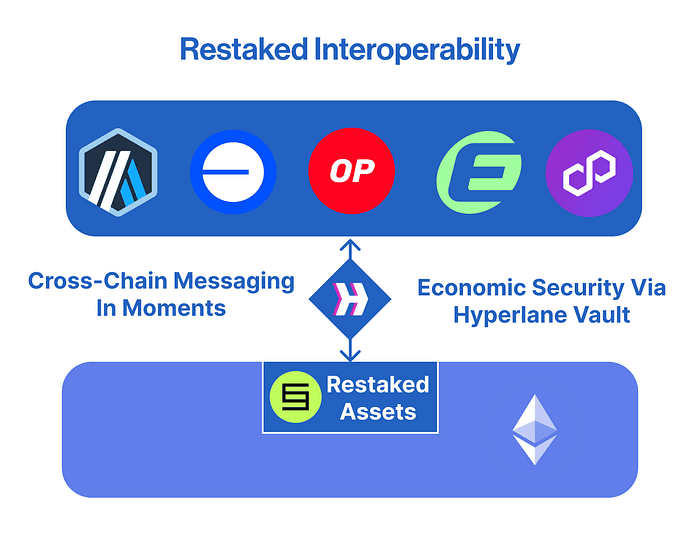
Cross-chain restaking allows you to reuse staked assets, like Ethereum, to secure decentralized protocols on multiple blockchains simultaneously. Standard restaking typically confines your security contribution to a single network. Cross-chain restaking extends that security footprint, letting your staked capital support Actively Validated Services (AVSs) across different ecosystems.
Think of your staked ETH as a universal key. In traditional staking, that key only unlocks one door. With cross-chain restaking, you use the same key to secure doors on entirely different chains. This reuses security rather than requiring you to lock up new capital for every new protocol you want to support.
The core value proposition is efficiency. Instead of fragmenting your capital across isolated chains, you concentrate your security budget. This creates a network effect where your staked assets provide safety and yield opportunities across a broader web of decentralized applications.
Prepare your wallet and assets
Before initiating a cross-chain restaking transaction, ensure your digital environment is ready. This process requires specific assets on both the source and destination chains to prevent failed transactions or lost funds.
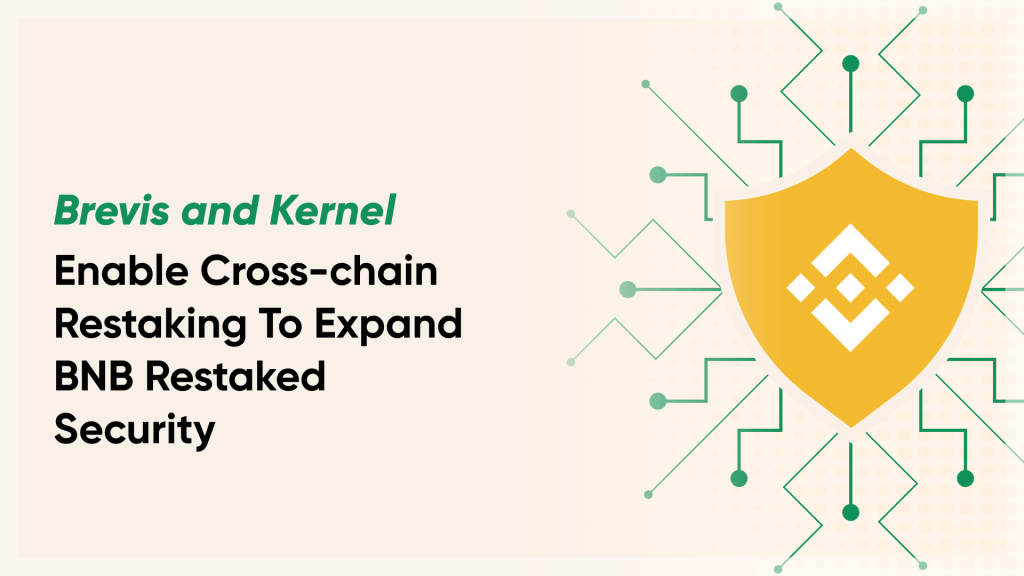
Confirm you hold staked ETH or Liquid Restaking Tokens (LRTs) like Renzo or EigenLayer positions. These are the primary assets you will restake. Ensure they are in a compatible wallet such as MetaMask or Rabby.
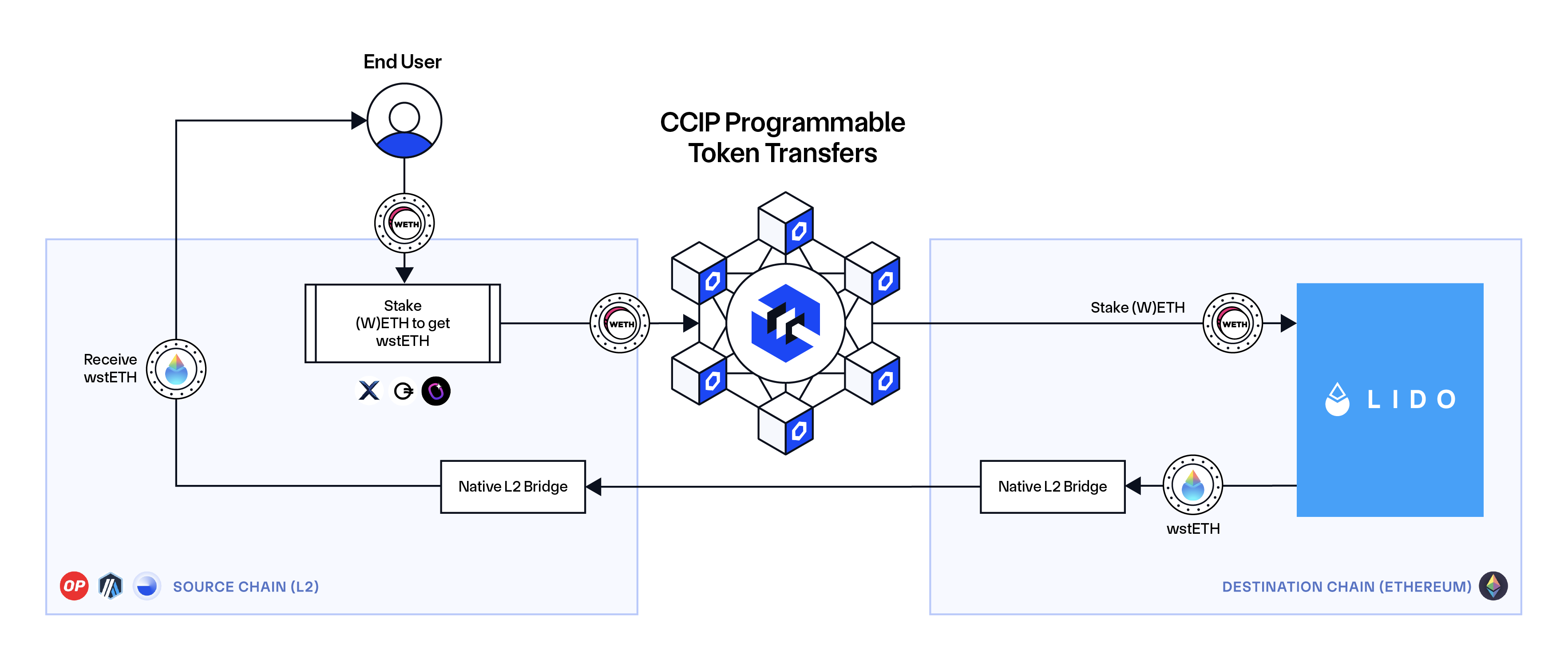
Cross-chain operations require gas on the target chain. If you are moving assets to a new network, ensure you have a small amount of that chain’s native token (e.g., ETH for Ethereum, MATIC for Polygon) to cover transaction fees.
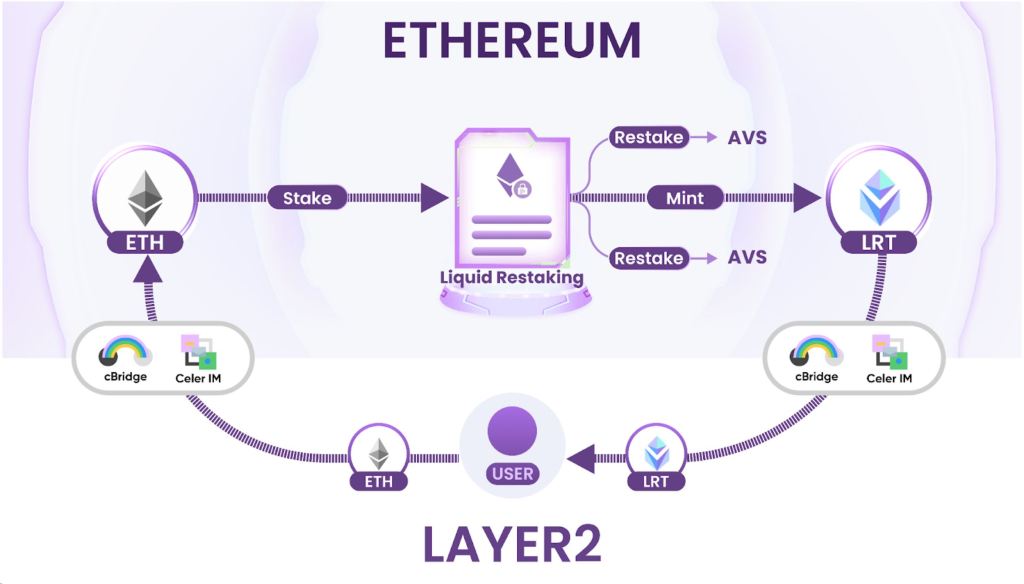
Connect your wallet to the chosen restaking interface. Approve the spending of your LRTs or staked assets. Double-check the contract addresses to avoid phishing sites, as cross-chain protocols often involve multiple smart contract interactions.
Bridging assets to the target chain
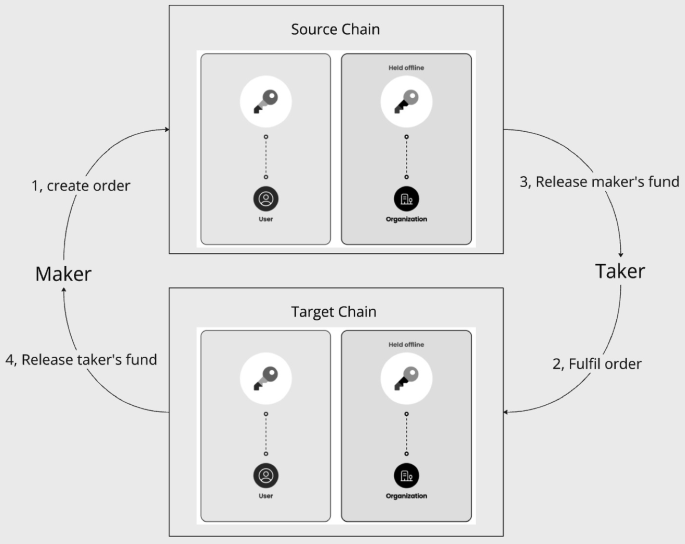
Moving your restaked assets to the destination network requires a bridge or a messaging layer. These tools act as the transport mechanism, allowing your capital to leave one blockchain and appear on another. Without this step, your assets remain locked on the source chain, unable to interact with the Actively Validated Services (AVSs) on the target network.
Choose a reputable bridge
Not all bridges are created equal. The security of your funds depends entirely on the trust model of the bridge you select. Reputable bridges typically undergo rigorous security audits and maintain high liquidity to minimize slippage. Using a lesser-known or unaudited bridge exposes you to smart contract vulnerabilities and potential exploits.
Initiate the transfer
Once you have selected a bridge, connect your wallet and select the source and destination chains. Enter the amount of assets you wish to move. Be aware that you will need native tokens on the source chain to pay for transaction fees (gas). Review the estimated arrival time and fees carefully. Some bridges offer faster, more expensive routes, while others are slower but cheaper.
Confirm the transaction
After reviewing the details, confirm the transaction in your wallet. This locks or burns your assets on the source chain. The bridge operator or validator set then processes the message and mints or releases the corresponding assets on the destination chain. This process can take anywhere from a few seconds to several minutes, depending on the bridge and network congestion.
Verify receipt on the target chain
Finally, check your wallet on the destination chain to ensure the assets have arrived. Verify that the token contract address is correct, especially if you are using wrapped versions of assets. Once confirmed, your cross-chain restaking journey is ready to proceed to the next phase of depositing into the AVS.
Research and select a bridge with a strong security track record and high liquidity. Avoid unaudited or obscure protocols.

Connect your wallet to the bridge interface. Select your source chain, destination chain, and the asset you want to bridge.
Approve the bridge contract to spend your tokens, then confirm the transaction. Ensure you have enough gas on the source chain.
Wait for the bridge to process the message. This may take several minutes. Do not initiate multiple transactions during this time.
Check your wallet on the destination chain. Confirm the asset balance has increased and the token contract is correct.
Deposit into a restaking protocol
Depositing into a restaking protocol turns idle staked assets into active security for other networks. You are not just earning yield; you are providing cryptographic proof that secures decentralized services across multiple blockchains. This process requires connecting your wallet to a supported interface and locking your assets into a smart contract.
Navigate to a protocol like EigenCloud or Allstake. These platforms act as gateways for cross-chain restaking. Click the connect button and approve the wallet signature to establish a secure session. Ensure you are on the official site to avoid phishing attempts.
Choose the asset you want to restake, such as stETH or native NEAR. The interface will display your available balance. Selecting the correct asset is critical because restaking locks these funds, making them unavailable for immediate withdrawal or transfer until you exit the protocol.
Review the deposit amount and gas fees. Click deposit to trigger the transaction. The smart contract will lock your asset and mint a receipt token representing your share of the security pool. This receipt token is what you will use to claim yields later.
Wait for the transaction to confirm on the explorer. Once confirmed, your balance will update to reflect the deposited amount. You can now delegate this security to specific Actively Validated Services (AVSs) to start earning cross-chain yield.
Common mistakes to avoid
Cross-chain restaking amplifies yield potential, but it also multiplies the points of failure. When you move assets across different blockchains, you are no longer just trusting a smart contract; you are trusting the security of the bridge, the oracle, and the destination chain. A single misstep in this chain can lead to permanent loss of funds.
Sending to the wrong chain
One of the most frequent errors is selecting an incorrect destination network during the bridging process. Cross-chain protocols often support multiple EVM-compatible chains (like Arbitrum, Optimism, or Base) that share similar address formats. If you send your restaked assets to a chain that the target AVS does not support, the funds may become irretrievable.
Always double-check the supported networks list for the specific restaking protocol you are using. Verify the chain ID and network name before confirming the transaction. Treat the destination chain selection with the same caution as choosing a bank account number; a typo here has no "undo" button.
Ignoring slashing conditions
Restaking involves reusing staked assets to secure additional services, known as Actively Validated Services (AVSs). Each AVS has its own set of rules and slashing conditions. If the AVS you are supporting fails to perform its duties or acts maliciously, your restaked assets can be penalized.
Before committing capital, read the technical documentation for the AVS. Understand what actions trigger a slash and what the maximum penalty is. Some AVSs may slash only a portion of your stake, while others might liquidate the entire position. Do not assume that "restaking" implies uniform risk; the security scope varies significantly between protocols like Babylon or Picasso.
Using unverified bridges
Bridges are the most vulnerable component in cross-chain infrastructure. Many new or low-liquidity bridges have been exploited due to smart contract bugs or centralized key compromises. Using an unverified bridge exposes your assets to unnecessary counterparty risk.
Stick to bridges with a proven track record and high total value locked (TVL). Check if the bridge has undergone independent security audits and if it has a bug bounty program. The convenience of a new bridge is rarely worth the risk of losing your entire restaked position.
Your cross-chain restaking checklist
Before you commit funds to a cross-chain restaking strategy, treat the setup like a security audit. The complexity of bridging assets and re-staking them across different networks introduces multiple points of failure. Use this sequence to verify your environment before executing any transactions.
Pre-Execution Verification
- Confirm the bridge is audited. Check if the bridge used for the initial transfer has a recent security audit and a strong track record. Cross-chain bridges are frequent targets for exploits.
- Verify the AVS contract address. Ensure you are interacting with the official Actively Validated Service contract. Scammers often deploy fake contracts with similar names.
- Check gas and bridge fees. Calculate the total cost of bridging plus restaking. Low yields can be wiped out by high bridge fees or network congestion.
- Test with a small amount. Send a minimal amount of assets through the entire flow first. Confirm you can withdraw them back to your original wallet.
Post-Execution Monitoring
- Monitor slashing conditions. Understand the specific slashing risks of the AVS you are supporting. If the validator behaves maliciously, your restaked assets could be penalized.
- Track yield distribution. Verify that rewards are being distributed correctly to your wallet. Inconsistent rewards may indicate a smart contract issue.
- Review protocol updates. Stay informed about any changes to the restaking protocol or bridge. New vulnerabilities may emerge that require immediate action.
No comments yet. Be the first to share your thoughts!