
Cross-chain restaking mechanics
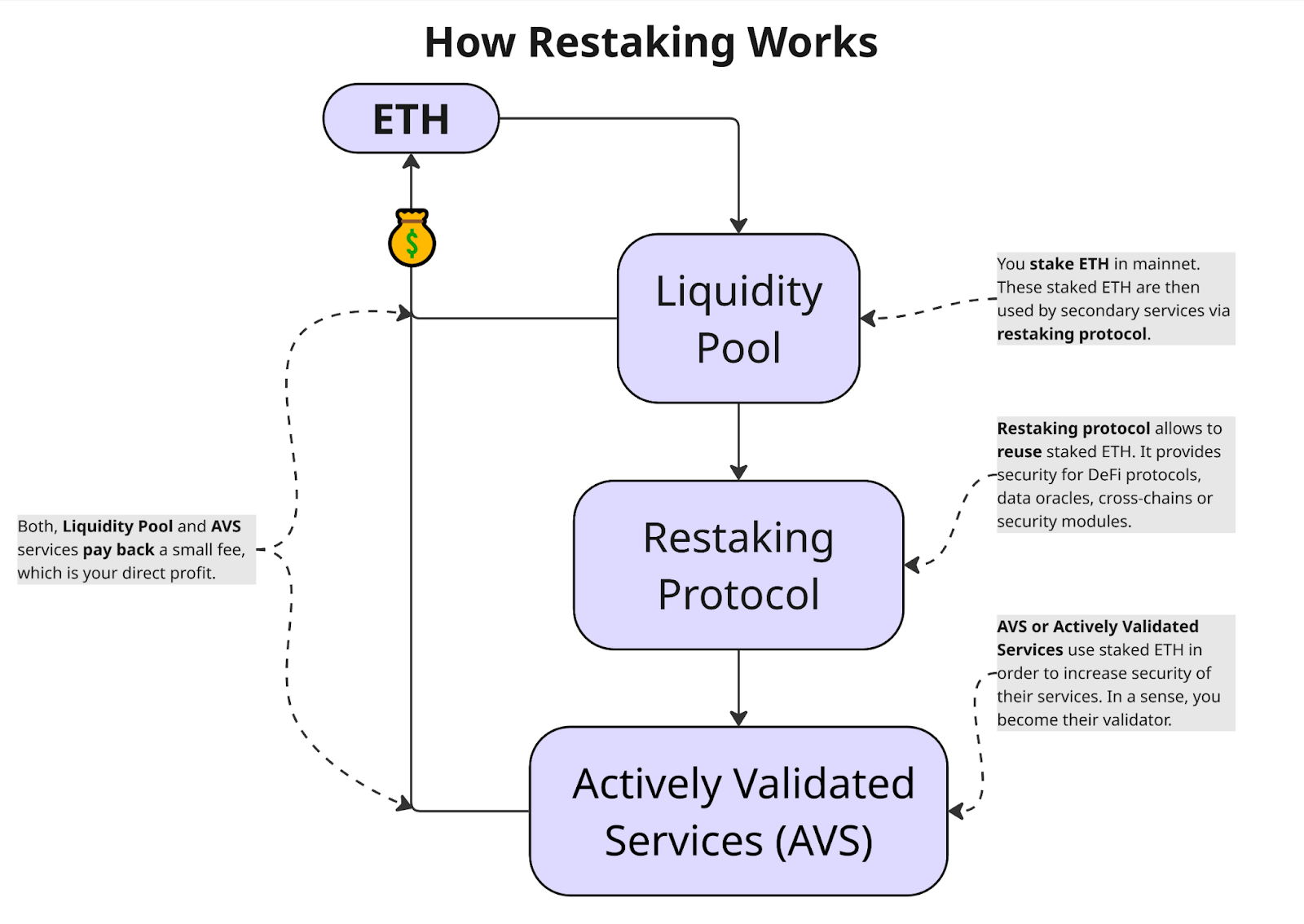
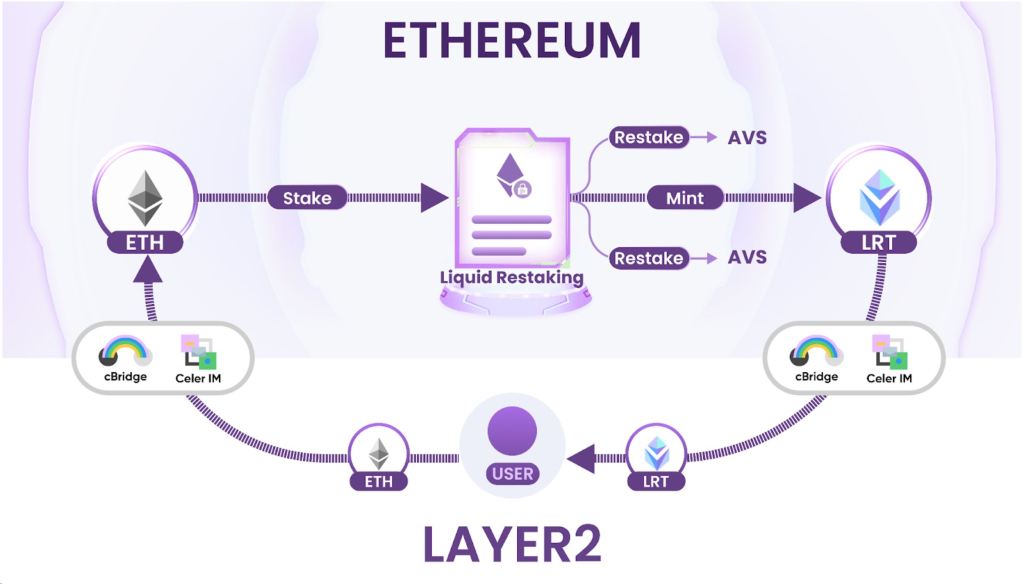
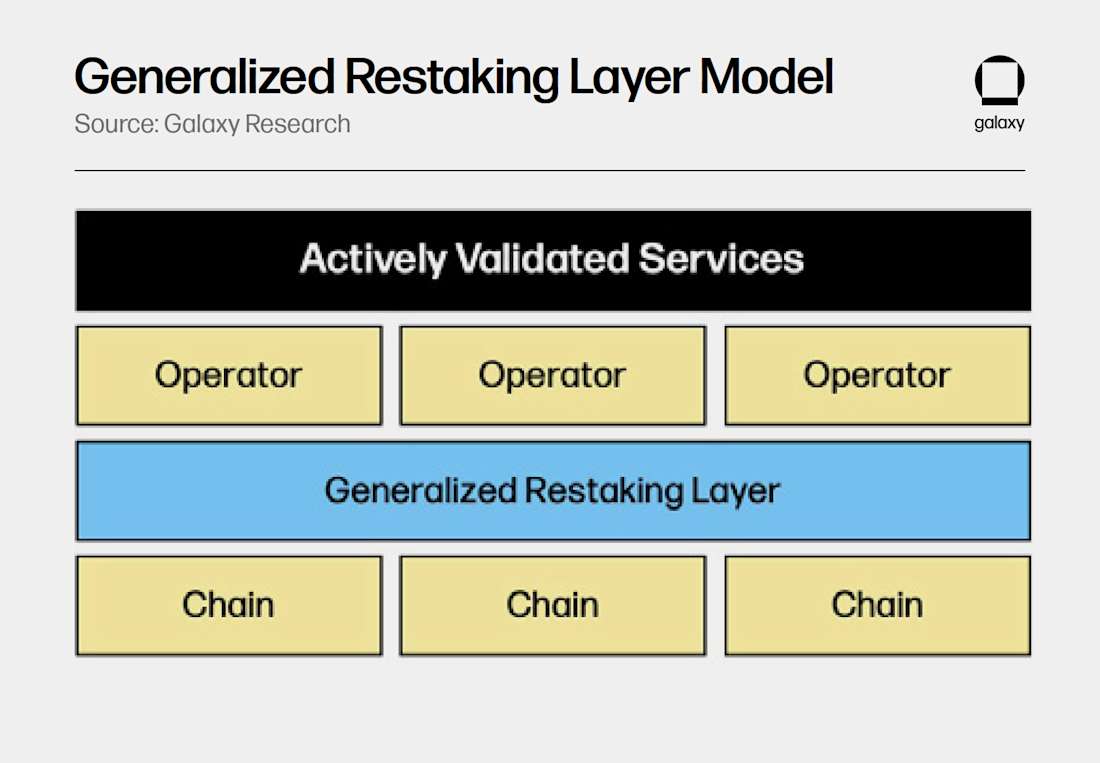
Restaking allows staked assets like ETH to secure multiple protocols simultaneously, creating composite yield from base staking rewards and Actively Validated Service (AVS) fees. Cross-chain restaking extends this model beyond Ethereum, enabling validators to provide slashable security to non-EVM chains like Solana or BNB Chain without necessarily moving the underlying tokens. This approach addresses blockchain fragmentation by transferring security rather than just asset ownership, allowing validators to maximize capital efficiency while maintaining a unified risk profile.
Leading platforms for multi-chain security
Cross-chain restaking relies on specialized infrastructure to move security assets between isolated blockchains. While EigenLayer established the baseline for Ethereum-native restaking, newer protocols have emerged to address interoperability gaps with distinct technical approaches.
| Platform | Supported Chains | Security Model | Yield Source |
|---|---|---|---|
| EigenLayer | Ethereum, Arbitrum, Optimism | Native Ethereum Slashing | AVS Fees, LST Staking |
| Kernel | BNB Chain, Ethereum | Cross-Chain Messaging (Brevis) | BNB Staking, AVS Fees |
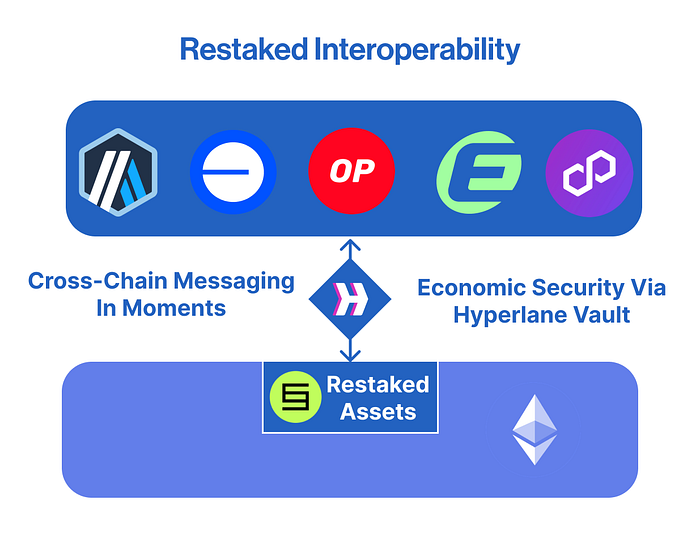
| Renzo | Ethereum, Base, BNB, Arbitrum | Hybrid (Native + Hyperlane) | tETH Staking, AVS Fees |
| ZetaChain | Omnichain (EVM + BTC) | Omnichain Smart Contracts | Cross-Chain AVS Fees |
EigenLayer remains dominant but is anchored to Ethereum and its Layer 2s, relying on native slashing conditions enforced by the Ethereum consensus layer. Renzo Protocol uses a hybrid approach, integrating with Hyperlane and Chainlink to facilitate cross-chain native restaking, allowing users to stake on one chain while securing services on another. Kernel and ZetaChain offer specialized interoperability: Kernel focuses on BNB Chain via Brevis messaging, while ZetaChain utilizes omnichain smart contracts to extend restaking across EVM-compatible chains and Bitcoin.
Yield sources and risk profile
Restaking generates returns through three channels: base staking rewards, AVS fees, and yield optimization strategies. This extra yield compensates for layered risks, primarily smart contract complexity and slashing exposure.
Yield mechanics
The foundation is the base staking reward from validating transactions. Restaking reuses that ETH to secure additional AVSs, which pay fees to access security without building their own validator sets. Some platforms, like Ditto, further boost yield by monitoring DEXs for cross-chain swaps or arbitrage, combining crypto-economic security with active yield farming.
Risk analysis
The primary danger is smart contract risk. Restaking involves multiple layers of code, including staking contracts, operators, and AVS contracts. A bug in any layer can lead to total loss. Slashing is another critical risk; a validator misbehavior can trigger penalties across all secured AVSs simultaneously, wiping out yield from multiple sources. Cross-chain bridges add vulnerability, as bridge contracts have historically been frequent exploit targets. Stakers must weigh higher returns against the heightened probability of catastrophic loss due to technical failures or malicious attacks.
Security and setup protocols
Cross-chain restaking introduces distinct attack surfaces compared to native staking. Rigorous due diligence on security infrastructure, bridge mechanics, and smart contract dependencies is required before allocating capital.
Step 1: Verify audit status and bridge security
Start by auditing the protocol’s smart contracts and the specific bridges used for cross-chain messaging. Ensure the restaking layer and bridge operator are covered by independent security reviews. If a bridge has no recent audit or relies on a centralized validator set, the risk of exploit outweighs potential yield. This step filters out protocols with unverified infrastructure.
Step 2: Understand slashing conditions
Slashing is the primary risk in restaking. When you restake, you secure additional services (AVSs). If the validator misbehaves, staked assets can be slashed. In a cross-chain context, slashing conditions must be clearly defined for each chain involved. Ensure you understand which chain’s validators are responsible for your assets and under what specific conditions slashing occurs. Ambiguity here can lead to unexpected losses.
Step 3: Check liquidity lock-up periods
Cross-chain restaking often involves longer lock-up periods than simple staking due to cross-chain verification and settlement times. Assess the liquidity risk: can you exit your position quickly if market conditions change? Some protocols may impose additional withdrawal queues or fees for early exit. Ensure the lock-up period aligns with your investment horizon and that you have sufficient liquid assets elsewhere for emergencies.
Step 4: Start with small positions
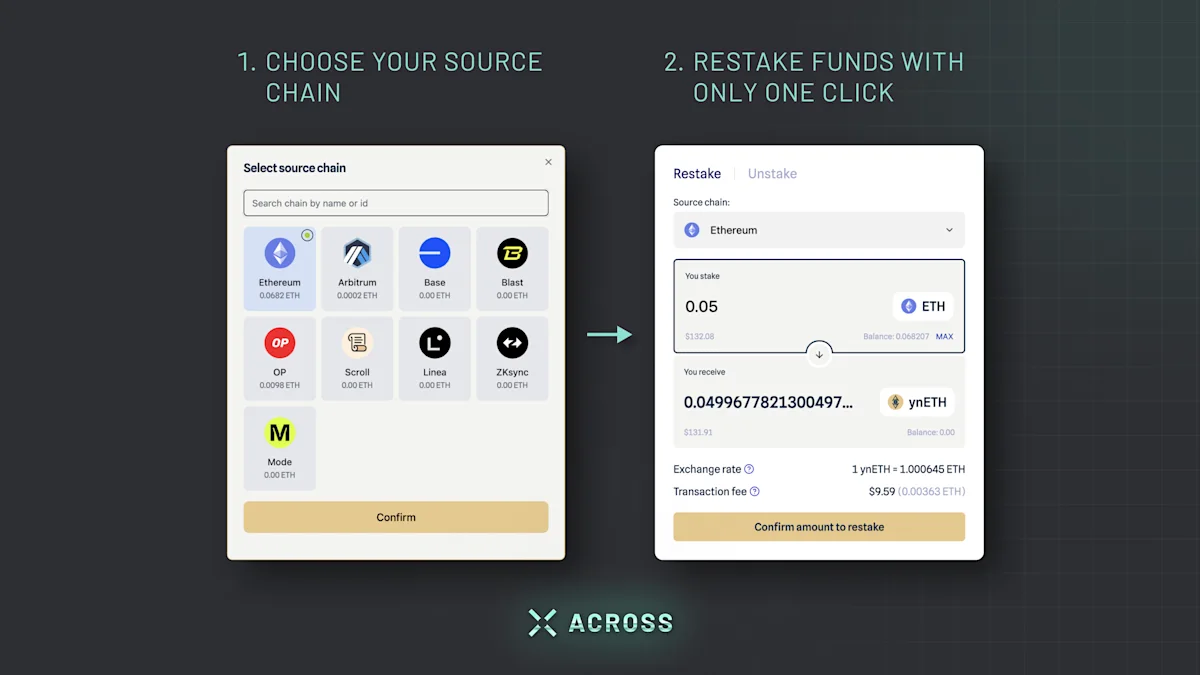
Given the novel nature of cross-chain restaking and associated smart contract risks, begin with a small allocation. Treat this as a learning phase to understand the user interface, transaction flows, and potential delays. Monitor the protocol’s performance and security incidents before committing significant capital. This approach limits exposure while allowing you to gain practical experience with the technology.
Step 5: Monitor protocol governance and updates
Cross-chain protocols evolve rapidly. Governance decisions can change slashing conditions, add new chains, or modify yield distributions. Stay informed about protocol updates through official channels. Participate in governance if possible, or at least monitor proposals that affect your assets. Regularly review the protocol’s security reports and community forums for any emerging risks or vulnerabilities.
Step 6: Diversify across multiple protocols
Do not concentrate your restaking assets in a single protocol. Diversification reduces the impact of a potential exploit or governance failure in one platform. Spread your capital across different protocols that operate on different chains or use different security models. This strategy ensures that a single point of failure does not compromise your entire restaking portfolio.
Step 7: Review tax implications and reporting
Cross-chain transactions can complicate tax reporting. Each bridge transaction may be considered a taxable event depending on your jurisdiction. Keep detailed records of all deposits, withdrawals, and yield earnings. Consult with a tax professional familiar with cryptocurrency and cross-chain activities to ensure compliance. Proper documentation is essential to avoid penalties and accurately report your gains.

Frequently asked: what to check next
How does cross-chain restaking differ from standard bridging?
Standard bridging locks tokens on the source chain and mints wrapped versions on the destination, introducing liquidity risks. Cross-chain restaking leverages interoperability protocols to transfer security rather than just asset ownership, allowing validators to secure multiple chains with a single stake.
What is the primary risk of cross-chain restaking?
The primary risks are smart contract complexity and slashing. A bug in any layer of the restaking stack can lead to total loss, and validator misbehavior can trigger slashing across all secured AVSs simultaneously. Cross-chain bridges also add vulnerability as frequent exploit targets.
Can I restake assets on non-EVM chains?
Yes. Protocols like ZetaChain and Kernel enable restaking on non-EVM chains like Bitcoin and BNB Chain by utilizing omnichain smart contracts or cross-chain messaging protocols to provide slashable security guarantees.
How is yield generated in cross-chain restaking?
Yield comes from three sources: base staking rewards, fees paid by AVSs for shared security, and yield optimization strategies like cross-chain arbitrage executed by some platforms.
No comments yet. Be the first to share your thoughts!