Set up your wallet and bridge
Cross-chain restaking requires your assets to live on the source chain—the network where you intend to stake. Before you can participate, you need a compatible wallet and a reliable method to move funds there. This section covers connecting your wallet and bridging assets to establish the foundation for restaking.
Connect a compatible wallet
Your wallet is the interface for signing transactions and holding your staking assets. For cross-chain restaking, the wallet must support the source chain’s network. Most protocols rely on EVM-compatible chains like Ethereum or Base, so ensure your wallet (e.g., MetaMask or Rabby) has the correct network selected.
- Install or open your wallet extension or mobile app.
- Add the source chain network to your wallet if it isn’t already there.
- Verify your balance reflects the assets you plan to restake.
Bridge assets to the source chain
If your assets are on a different chain, use a trusted bridge to move them to the source chain. Bridges lock assets on the origin chain and mint or release equivalent tokens on the destination. Choose a bridge with a proven track record and high liquidity to minimize risk and slippage.
- Select a reputable bridge (e.g., Stargate, Wormhole, or official chain bridges).
- Connect your wallet to the bridge interface.
- Enter the amount to bridge and confirm the destination chain.
- Review the estimated time and fees, then approve the transaction.
Once the bridge confirms the transfer, your assets are on the source chain and ready for the restaking process.
Select a restaking protocol
Choosing the right protocol is the most critical decision in cross-chain restaking. A mismatch in chain compatibility or security model can lock your assets or expose you to bridge exploits. Focus on three factors: supported chains, yield stability, and historical security.
The following table compares the primary protocols for 2026. Use it to filter options based on your specific chain requirements.
Evaluate chain compatibility
Check the protocol’s official documentation for supported networks. EigenLayer currently anchors on Ethereum, extending security to Ethereum L2s. KelpDAO and Ether.fi offer similar multi-chain support but may have different governance structures. Ensure the chain you intend to use is active and liquid on the protocol. Avoid protocols that only support legacy or low-liquidity chains.
Assess yield stability
Yield in cross-chain restaking comes from staking rewards and restaking fees. High yields often signal higher risk. Look for protocols with transparent yield sources. EigenLayer’s yield is tied to Ethereum’s base layer stability. KelpDAO may offer additional yield from real-world assets (RWA), which introduces different risk vectors. Compare APYs across protocols, but prioritize sustainability over short-term spikes.
Review security history
Security is paramount in cross-chain environments. The 2026 hack of KelpDAO, which lost $292M, highlights the risks of bridge vulnerabilities. Circle’s CCTP offers a safer alternative for USDC transfers by using native burning and minting. For restaking, check if the protocol uses audited smart contracts and has a history of successful security audits. Prefer protocols with transparent incident response plans.
Deposit and stake your assets
The final step in cross-chain restaking is locking your capital into the protocol. This interaction is irreversible and binds your assets to the restaking contract's specific terms. You must ensure you are on the correct destination chain and have the native token for gas fees before initiating the transaction.
1. Connect your wallet and select the chain
Navigate to the official interface of your chosen restaking protocol. Connect your wallet and switch your network to the destination chain where you intend to restake. Verify the network name in the top-right corner to avoid connecting to a testnet or the wrong mainnet.
2. Initiate the deposit transaction
Enter the amount of staked assets you wish to restake. The interface will display the estimated rewards and the specific smart contract address you are interacting with. Double-check the contract address against the protocol's official documentation to prevent phishing attacks.
3. Confirm the locking period
Most cross-chain restaking protocols require a mandatory locking period before you can withdraw your assets. This period varies by protocol and can range from several days to weeks. Understand that during this time, your assets are illiquid and cannot be moved or sold, even if market conditions change.
4. Review reward distribution mechanics
Before signing, review how rewards are distributed. Some protocols distribute rewards in the native asset, while others use a separate reward token. Check the annual percentage yield (APY) estimates, but remember these are dynamic and subject to change based on network activity and protocol performance.
5. Sign and wait for confirmation
Sign the transaction in your wallet and wait for the blockchain confirmation. Once confirmed, your assets are officially restaked. You can monitor your position and accrued rewards through the protocol's dashboard or a compatible blockchain explorer.
Monitor and rebalance your cross-chain restaking positions
Cross-chain restaking is not a "set and forget" strategy. The yield is dynamic, and the risk surface expands with every additional chain you interact with. To protect your principal and maximize returns, you must actively track performance and rebalance across networks. This section walks through the exact steps to monitor your positions, claim rewards, and adjust your exposure.

Use a portfolio tracker that supports multi-chain aggregation, such as DeBank or Zerion, to view your restaked assets in one dashboard. Verify that your validator is active and that your staked assets are correctly locked on each target chain. Check for any pending withdrawals or slashing events.

Monitor the yield rates on each chain. Cross-chain restaking yields vary significantly based on network demand and validator performance. Use the official dashboards of the restaking protocols (e.g., EigenLayer, EtherFi) to check real-time APY. Note that yields are often denominated in different tokens (e.g., ETH, LRTs, or governance tokens).
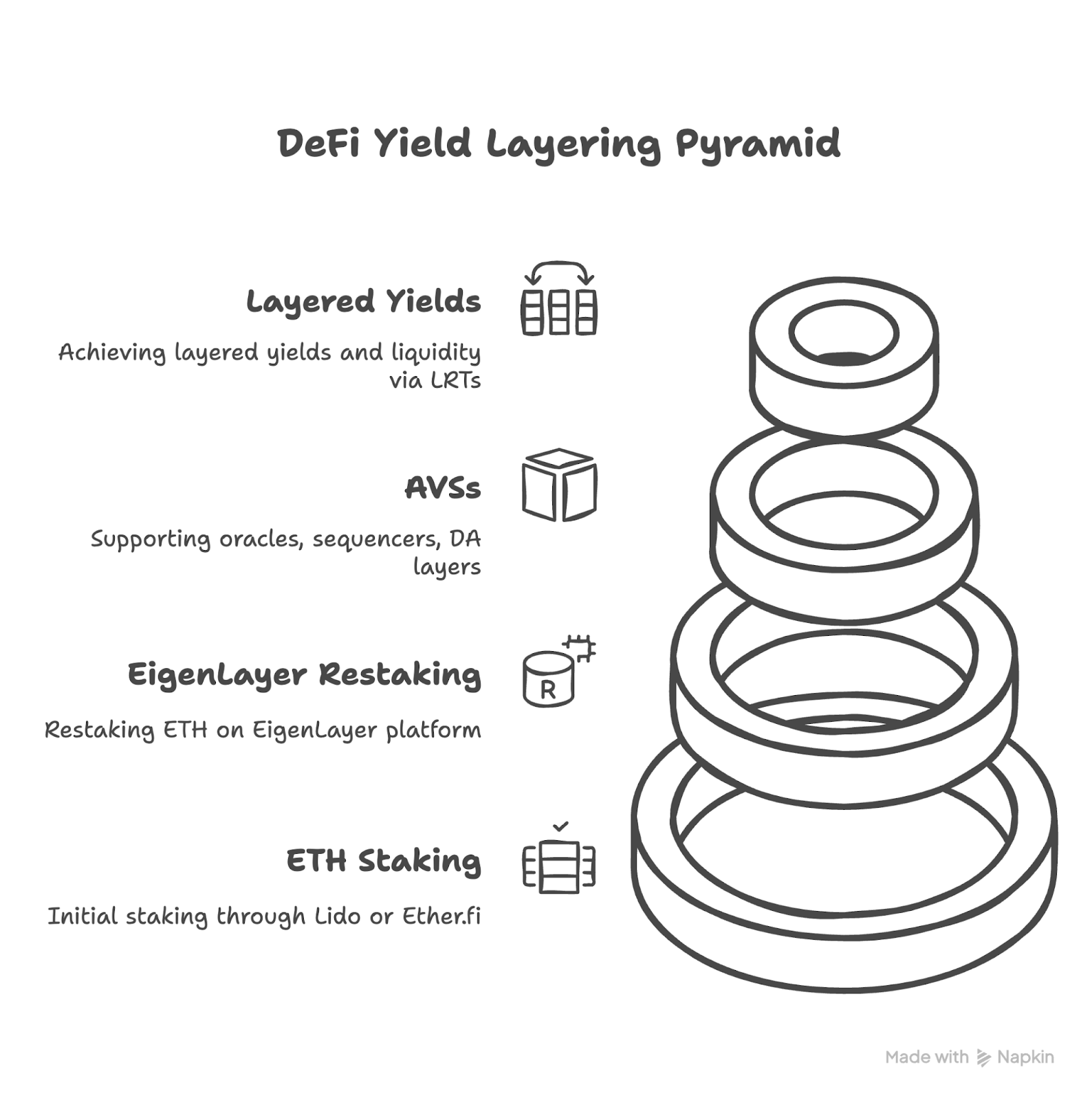
Do not leave rewards idle. Claim your staking rewards and any additional incentives (e.g., airdrop points, governance tokens) at regular intervals. You can then compound these rewards by restaking them on the same or different chains. Use a cross-chain bridge or native interoperability protocol (like Chainlink CCIP or LayerZero) to move rewards to your desired chain for compounding.
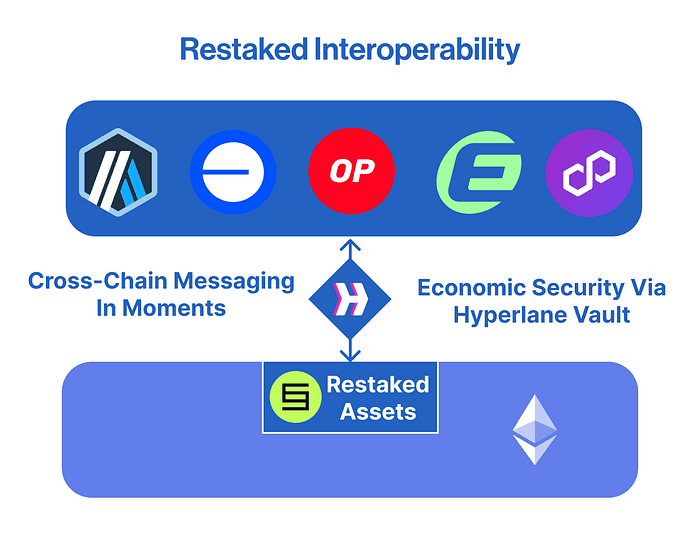
If one chain’s yield drops significantly or its risk profile increases (e.g., smart contract vulnerability, network congestion), rebalance your assets. Move some capital to higher-yielding, lower-risk chains. Diversify across multiple restaking protocols and chains to avoid single-point-of-failure risks. Rebalancing also helps you capture new opportunities as the cross-chain landscape evolves.
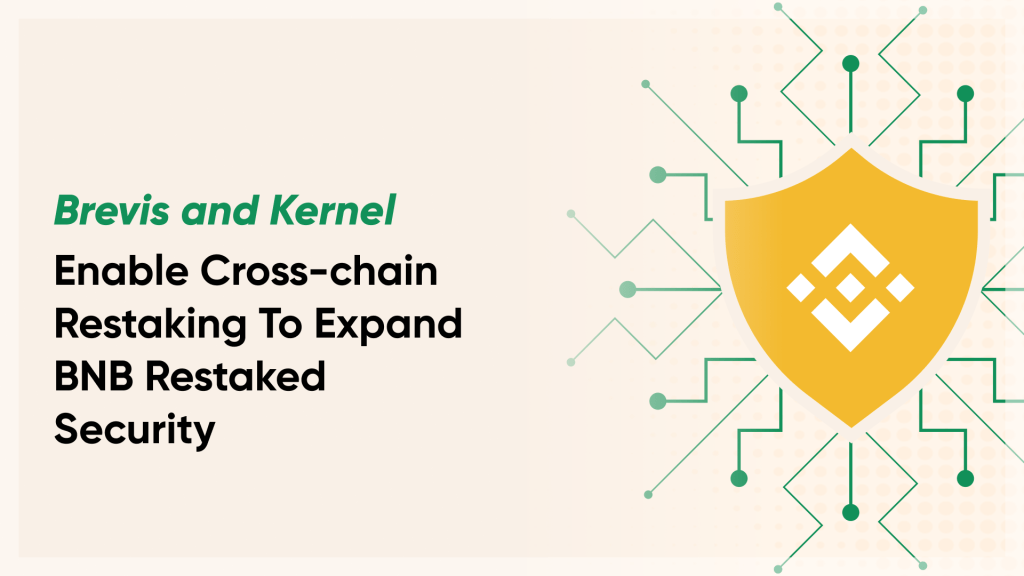
Cross-chain transactions incur gas fees on both the source and destination chains, plus bridge fees. Regularly compare costs across different bridges and routes. Use gas tracking tools to execute rebalancing or reward claims when network congestion is low. Optimize your transaction timing to minimize costs and maximize net yield.
-
Verify validator status on all chains
-
Check current APY on each restaking protocol
-
Claim and compound rewards
-
Rebalance if yield drops or risk increases
-
Compare bridge and gas costs
Avoid common bridge and slashing risks
Cross-chain restaking amplifies returns but also amplifies exposure. You are no longer relying on a single chain’s security model; you are trusting the weakest link in a multi-chain supply chain. A single bridge failure or a validator slashing event can wipe out the yield you’ve been compounding. This section outlines the specific mechanics of these risks and the concrete steps to mitigate them.
Bridge Security and Asset Integrity
The most immediate threat to cross-chain strategies is the bridge itself. Bridges are centralized or semi-centralized points of failure that hold the majority of locked assets. When these protocols are compromised, the losses are total and irreversible. The KelpDAO incident, where approximately $292 million was lost due to a bridge vulnerability, serves as a stark reminder that trust in bridging mechanisms is not static. Confidence in these protocols can evaporate quickly, causing liquidity to dry up and prices to decouple across chains.
To mitigate bridge risk, prioritize bridges that use native token transfers rather than wrapped assets. The Circle Cross-Chain Transfer Protocol (CCTP) is a leading example, allowing USDC to move between chains via native burning and minting rather than relying on third-party custodians. This reduces counterparty risk significantly. Additionally, diversify your exposure across multiple bridges and avoid putting all your capital into a single protocol’s liquidity pool.
Slashing and Validator Misbehavior
Slashing occurs when validators are penalized for malicious behavior or downtime, resulting in the loss of staked capital. In a cross-chain restaking context, you are often restaking assets that are already securing another network. If the underlying validator set is compromised, your restaked assets are at risk. Unlike simple staking, where you might unbond and exit, cross-chain positions are often locked, leaving you exposed to prolonged slashing events.
To manage slashing risk, choose restaking protocols that offer active monitoring and insurance mechanisms. Look for projects that have implemented "slashing protection" features, which allow for rapid unbonding or compensation in the event of a validator failure. It is also critical to understand the unbonding periods of the underlying chains. If you cannot exit a position quickly enough to avoid a slashing event, the risk is effectively unmanaged.
Actionable Mitigation Checklist
Before executing any cross-chain restaking transaction, run through this verification sequence:
- Audit the Bridge: Verify the bridge’s security history and audit reports. Prefer native transfer protocols like CCTP or Chainlink CCIP over wrapped asset bridges.
- Check Validator Health: Ensure the validators you are restaking with have a clean slashing history and are actively monitored.
- Review Unbonding Terms: Confirm the time required to exit positions. Ensure it aligns with your risk tolerance.
- Diversify Exposure: Do not concentrate all capital in a single bridge or restaking protocol. Spread risk across multiple secure pathways.
By treating bridge security and slashing risk as primary concerns rather than afterthoughts, you can protect your capital while still benefiting from the yield advantages of cross-chain restaking.
No comments yet. Be the first to share your thoughts!