
What cross-chain restaking actually is
Cross-chain restaking is a mechanism that allows you to reuse staked assets, typically Ethereum (ETH), to secure multiple decentralized networks simultaneously. Instead of locking your ETH once on the Ethereum mainnet and leaving it idle, you can route that same security to other blockchains or applications. This process lets you earn rewards from several sources without moving the underlying asset back to its original chain.
The core concept relies on reusing previously staked assets to generate additional yield. As noted by Chainlink, restaking enables staked assets to secure additional decentralized services, while BNB Chain describes it as staking assets again on different platforms to enhance utility. This creates a layered security model where your ETH contributes to the safety of the base layer and one or more secondary networks at the same time.
Think of it like renting out your house. You live in it (securing Ethereum), but you also rent out the spare room to a tenant (securing an Actively Validated Service or AVS). You still own the property and get the primary benefit, but you now have an additional income stream from the same asset. Cross-chain restaking applies this logic to crypto, allowing a single deposit to support multiple ecosystems.
By avoiding the need to bridge assets back and forth, this approach reduces transaction costs and complexity. You maintain your position on Ethereum while extending its security footprint to other chains. This is the fundamental difference between standard staking and cross-chain restaking: the latter creates a web of security and rewards from a single point of entry.
How cross-chain restaking works under the hood
Cross-chain restaking moves your staked assets from one blockchain to another, allowing you to secure multiple networks simultaneously. Instead of locking capital in a single ecosystem, you use interoperability protocols to relay your staking status across different chains. This mechanism lets you earn yield from your base staking rewards while providing security services to other networks.
The process relies on locking assets on a source chain and minting a representation on the destination chain. Interoperability protocols like Wormhole or LayerZero act as the messaging layer, verifying that your assets are secured and relaying that state to the target network. You delegate this security to a service on the new chain, such as a validator or an oracle network, without moving the underlying liquidity.
Here is the technical flow for executing a cross-chain restaking transaction:

Start by staking your ETH on a Liquid Restaking Token (LRT) provider on your source chain, typically Ethereum. This locks your assets and issues a receipt token representing your staked position and restaking eligibility. This receipt token is the asset you will move across chains.
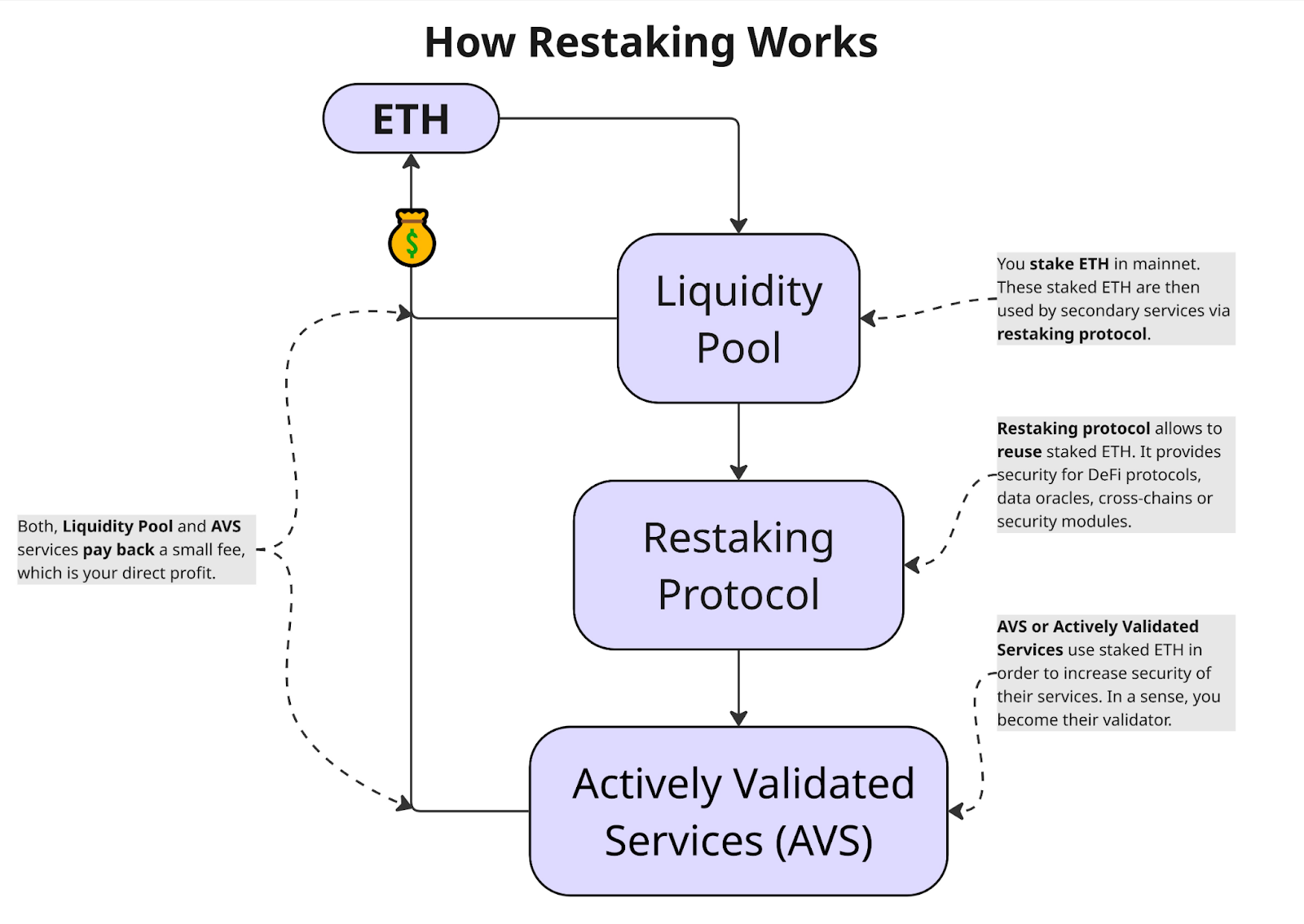
Choose a protocol that supports cross-chain messaging, such as Wormhole or LayerZero. These protocols facilitate the secure transfer of state information between blockchains. They ensure that the security status of your staked assets is recognized and verifiable on the destination chain.
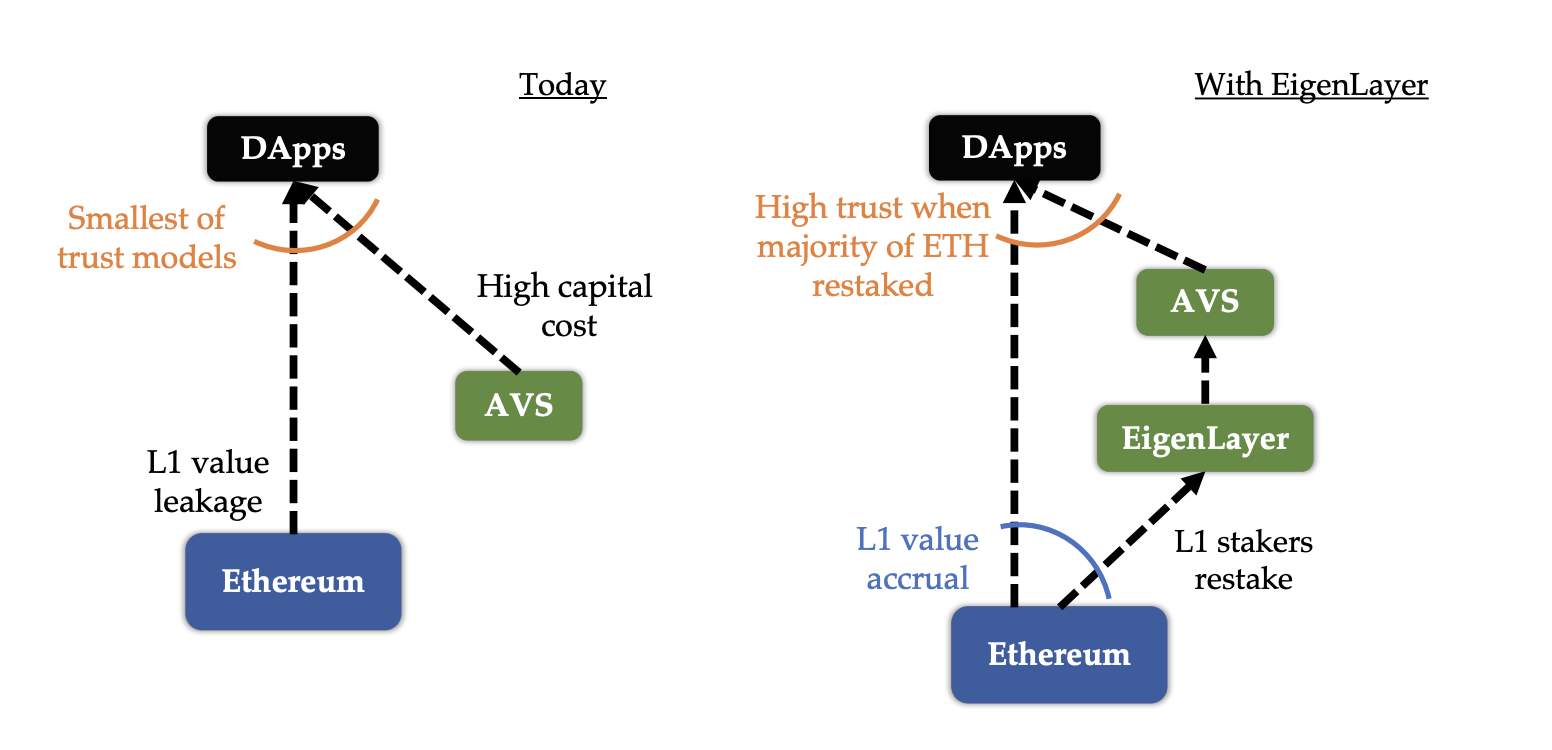
Use the relayed state to delegate your staking security to a service on the target chain, such as an L2 validator or an oracle network. This step effectively extends the security of your original stake to protect the new network’s operations, creating a shared security model.
Once the delegation is confirmed, you begin earning yield from both sources. You receive the base rewards from your original staking position and additional compensation from the service you secured on the destination chain. This dual yield is the primary incentive for cross-chain restaking.
This workflow transforms static staking into a dynamic security resource. By connecting disparate networks, you maximize the utility of your capital while strengthening the broader blockchain ecosystem.
Top platforms for cross-chain restaking
Cross-chain restaking allows you to secure multiple networks without moving assets back to Ethereum mainnet. This approach saves time and reduces bridge risks. Below are the leading platforms currently enabling this infrastructure.
Everclear enables dApps to facilitate restaking from any Layer 2 without requiring users to bridge assets back to Ethereum mainnet. This architecture simplifies the process for developers and users alike, making it easier to participate in the restaking economy across different chains.
Flow Vaults, powered by Renzo, unlocks cross-chain, multi-asset restaking for any project on EigenCloud. This platform extends restaking beyond just ETH, allowing users to restake various assets across different networks, thereby increasing capital efficiency and security coverage.
Nuffle Labs, in collaboration with Wormhole, has launched a universal restaking solution that connects different blockchains. This partnership aims to create a seamless experience for restaking across multiple networks, leveraging Wormhole's interoperability capabilities to ensure secure asset movement.
| Platform | Supported Chains | Asset Types | Security Layer |
|---|---|---|---|
| Everclear | L2s (No ETH Bridge) | ETH | EigenLayer |
| Flow Vaults | Multi-chain (EigenCloud) | ETH + Multi-Asset | EigenLayer |
| Nuffle Labs | Multi-chain (Wormhole) | Multi-Asset | Wormhole + EigenLayer |
Navigating bridge risks and security
Cross-chain restaking fundamentally changes how assets move between networks. Traditional bridges often rely on centralized custodians who lock tokens on one chain and mint wrapped versions on another. This creates a single point of failure. If the custodian is compromised, the entire bridge is at risk. Cross-chain restaking avoids this trap by using decentralized messaging layers or native Layer 2 security to verify transactions.
Instead of holding your assets in a vulnerable vault, restaking protocols leverage the existing security of networks like Ethereum. When you restake across chains, you are not just moving tokens; you are extending the economic security of the base layer to new environments. This means that the integrity of your cross-chain position is backed by a broader network of validators rather than a single entity.
To practice safe cross-chain restaking, check which security model the protocol uses. Look for systems that use zero-knowledge proofs or optimistic rollups to validate state transitions without holding your funds in a simple lockbox. This approach ensures that your staked assets remain secure even as they traverse multiple blockchains. By prioritizing decentralized verification, you protect your capital from the most common bridge exploits.
How to execute your first cross-chain restake
Executing your first cross-chain restake is straightforward once you understand the flow. The process relies on Liquid Restaking Tokens (LRTs) to handle the bridging logic, meaning you don't need to manually bridge assets between chains. Instead, you interact with a single dashboard that manages the underlying cross-chain communication.
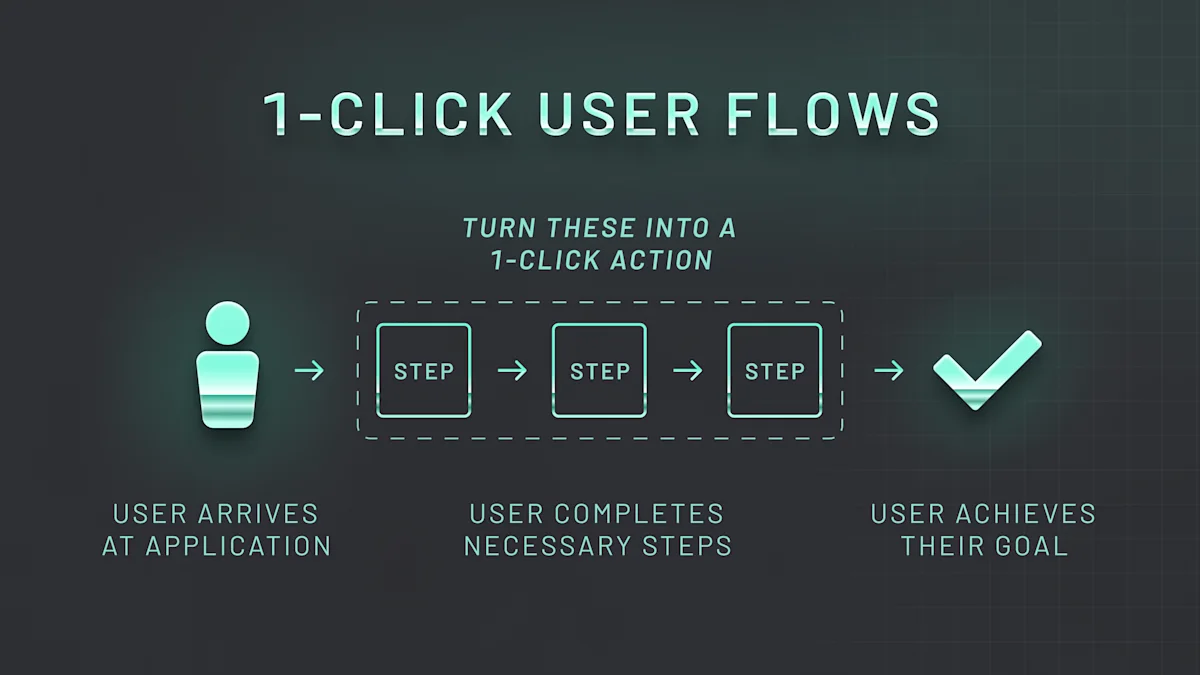
Start by connecting your Web3 wallet to a platform that supports cross-chain restaking, such as those powered by Everclear. These dashboards allow you to initiate restaking from any supported L2 without bridging back to Ethereum mainnet first.
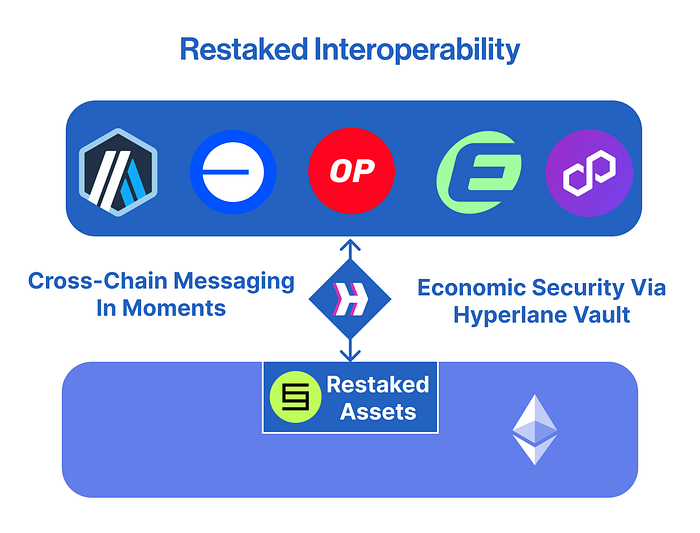
Choose the Layer 2 network where you want to deploy your stake. Most platforms support multiple chains like Arbitrum, Optimism, or Base. Select the specific staked asset you wish to restake, such as stETH or rETH, and confirm the amount.
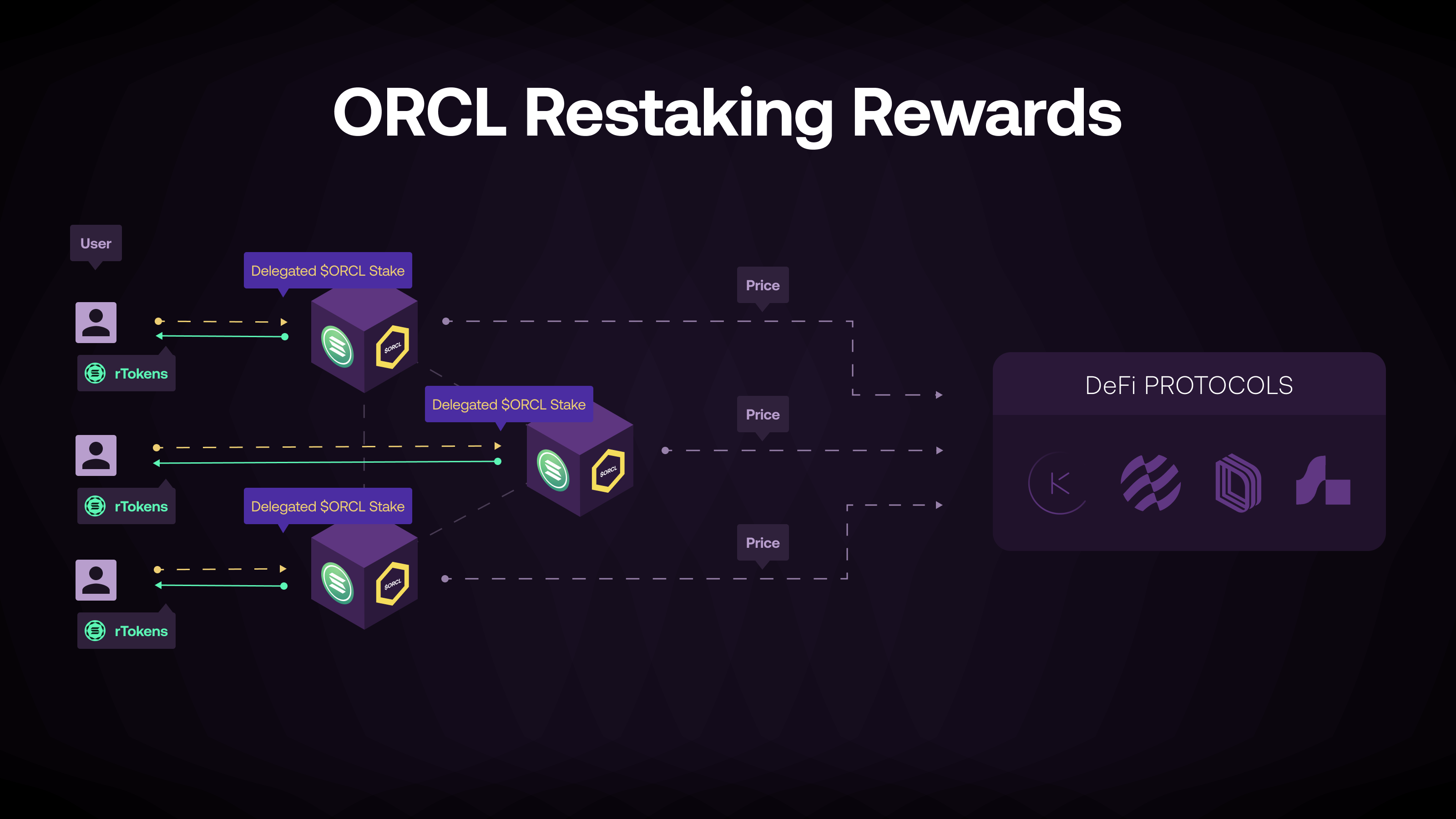
You will need to approve the smart contract to spend your tokens. This is a standard Ethereum transaction. Once approved, confirm the restaking transaction. The platform will automatically handle the cross-chain messaging to ensure your stake is active on the target network.
After confirmation, your restaking position is live. Monitor your dashboard to track yield accrual across both the original L2 and the restaking layer. Ensure you check the status of any bridged assets if the platform requires manual verification on the destination chain.
Checklist for safe cross-chain staking
Before committing funds to cross-chain restaking, treat your strategy like a security audit rather than a deposit. The complexity of moving assets across networks introduces unique failure points that standard staking does not. Use this concise checklist to verify the integrity of your bridge and validator setup.
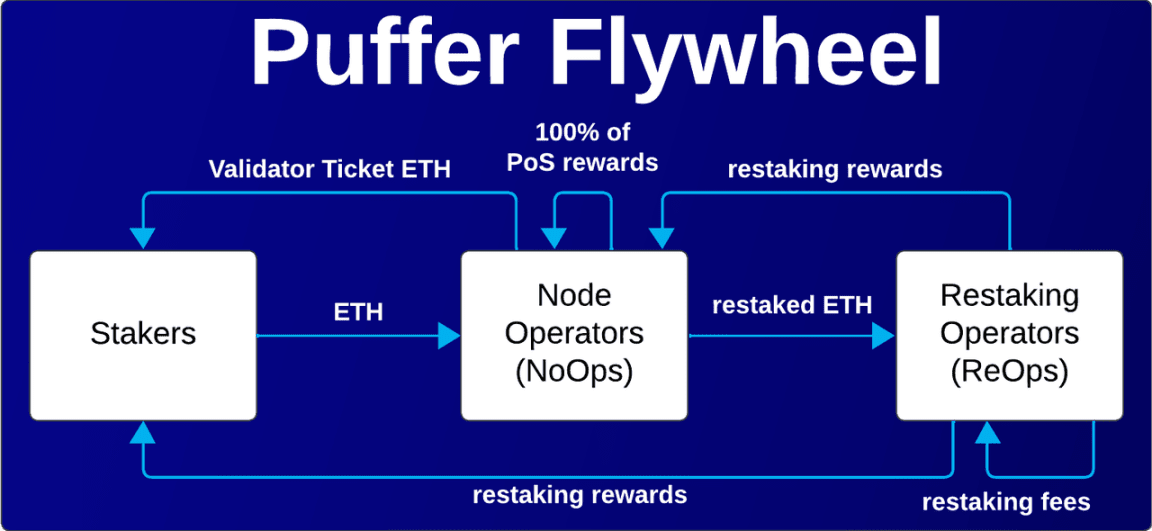
Cross-chain restaking amplifies capital efficiency, but it also amplifies risk. By systematically verifying these five points, you reduce the chance of losing principal to bridge exploits or smart contract vulnerabilities.
Common questions about cross-chain restaking
Cross-chain restaking introduces layers of complexity that don't exist in native staking. Understanding the mechanics helps you avoid common pitfalls.
No comments yet. Be the first to share your thoughts!