
Choose the right restaking protocol
Selecting a cross-chain restaking protocol requires verifying which chains it supports and how it handles security risks. In 2026, the landscape has shifted from isolated Ethereum staking to multi-chain interoperability. You need a protocol that bridges these gaps without introducing new vulnerabilities.
Start by identifying the chains you want to use. Some protocols are Ethereum-centric, while others like Everclear are designed to power restaking from any chain. Check the official documentation to confirm support for your target networks. If a protocol only supports Ethereum mainnet, it may not meet your cross-chain efficiency needs.
Next, evaluate the security model. Cross-chain operations increase the attack surface. Look for protocols with audited bridges and clear slashing conditions. Prioritize protocols that have undergone third-party security audits by reputable firms such as OpenZeppelin or Trail of Bits.
Finally, compare yield types and fees. Some protocols offer native yield, while others provide liquid restaking tokens (LRTs). Ensure the yield structure aligns with your strategy. Use the comparison table below to evaluate key options side-by-side.

| Protocol | Supported Chains | Security Model | Yield Type |
|---|---|---|---|
| Everclear | Multi-chain | Audited Bridges | Native |
| EigenLayer | Ethereum | Slashing | LRT |
| Renzo | Multi-chain | Audited Bridges | LRT |
| Karak | Multi-chain | Audited Bridges | Native |
Select a secure cross-chain bridge
Choosing a cross-chain bridge is the most critical step in cross-chain restaking. A single vulnerability in the bridge can drain your restaked assets, regardless of how secure the underlying validator or restaking protocol is. In 2026, the market has consolidated around a few major protocols that offer distinct security models. You must evaluate these options based on their technical architecture and track record rather than just liquidity depth.
The following comparison highlights the leading cross-chain bridges currently securing the majority of cross-chain restaking volume. Use this table to identify which architecture aligns with your risk tolerance.
| Protocol | Security Model | Finality | Risk Profile |
|---|---|---|---|
| Wormhole | Guardian Network (Multi-sig) | ~1-2 minutes | Medium |
| Stargate | LayerZero (Light Client) | ~15-30 seconds | Low-Medium |
| Symbiosis | Solver Network + AMM | ~2-5 minutes | Medium |
| Hyphen | Fraud Proofs + Validator Set | ~3-5 minutes | Low |
Wormhole relies on a network of independent guardians who sign messages. This multi-sig approach provides a strong security layer, but the concentration of guardians has historically been a point of scrutiny. Stargate, built on LayerZero, uses light clients for faster finality, reducing the window for potential attacks but relying heavily on the security of the underlying oracle infrastructure. Symbiosis utilizes a solver network that aggregates liquidity, offering flexibility but introducing counterparty risk with solvers. Hyphen employs fraud proofs, which allow users to challenge invalid state transitions, providing a different but robust security guarantee.
When selecting your bridge, prioritize protocols with a proven audit history and a large, independent validator or guardian set. Avoid bridges with limited transparency or recent, unresolved security incidents. The goal is to ensure that the path your restaked assets take is as secure as the destination. Always verify the bridge address through official sources before initiating any transaction.
Execute the restaking workflow
Cross-chain restaking requires moving assets from a source chain to a destination chain where the restaking protocol operates. This process relies on bridges or native interoperability protocols to ensure your assets arrive in the correct format and state.
Verify security and monitor positions
Before and after you bridge assets, you must confirm that the transaction landed on the correct destination chain with the correct token. Cross-chain restaking involves multiple layers of smart contracts and bridge protocols, increasing the surface area for errors or exploits. A single mismatched address or wrong network selection can result in permanent loss.
Audit your transaction hashes
Start by copying the transaction hash from your originating wallet and pasting it into a block explorer for the source chain. Look for the status: it should show "Success" or "Confirmed." If the status is pending for an extended period, check the gas price and network congestion.
Next, use a cross-chain explorer like Routescan to trace the bridge transaction. These tools visualize the movement of assets across different chains, allowing you to verify that the funds have been locked on the source chain and minted or released on the destination chain. This visual confirmation is critical for identifying stuck transactions before they become critical failures.
Monitor for anomalies
Once the assets arrive, verify the token balance in your destination wallet. Ensure the token symbol matches your expectation (e.g., stETH vs. wstETH) and that the amount is correct. Many cross-chain bridges support multiple versions of the same asset; interacting with the wrong contract version can lead to incompatibility with the restaking protocol.
Set up alerts for your wallet address using services like Debank. This allows you to detect unauthorized transactions or unexpected contract interactions immediately. Regular monitoring is essential in cross-chain restaking, where the complexity of inter-chain communication introduces unique risks that standard single-chain monitoring might miss.
Check restaking eligibility
Finally, confirm that your restaked position is active and earning rewards. Visit the restaking protocol’s dashboard (such as EigenLayer’s portal) and connect your wallet. Verify that your staked assets are listed as "active" and that your slasher status is clear. This step ensures that your cross-chain bridge transaction did not disrupt your restaking eligibility.
Common mistakes to avoid
Cross-chain restaking introduces layers of complexity where a single misstep can lock funds or expose them to bridge failures. Understanding these pitfalls is essential for maintaining the security of your restaked assets.
Skipping Bridge Audits
Not all cross-chain bridges are created equal. Relying on unaudited or deprecated bridges is a primary cause of fund loss. Always verify the bridge’s security history and active status. For instance, Toncoin recently announced the permanent closure of its cross-chain bridge (bridge-v3.ton.org) on September 1, 2026, highlighting the risk of using platforms that may become obsolete or vulnerable. Always use bridges with recent, reputable audits.
Ignoring Gas Requirements
A common error is assuming that ETH or native tokens cover all transaction costs across chains. Each destination chain requires its own native gas token (e.g., ETH on Ethereum, BNB on BSC). If you do not hold sufficient gas on the target chain, your restaking transaction will fail, and you may lose funds on failed attempt fees.
Overlooking Slashing Conditions
Restaking amplifies rewards but also amplifies risk. If the underlying validator misbehaves, you could face slashing. Ensure you understand the specific slashing conditions of the restaking protocol and the validator you choose. Do not assume that "restaking" is inherently safer than standard staking; it often carries higher penalty risks.
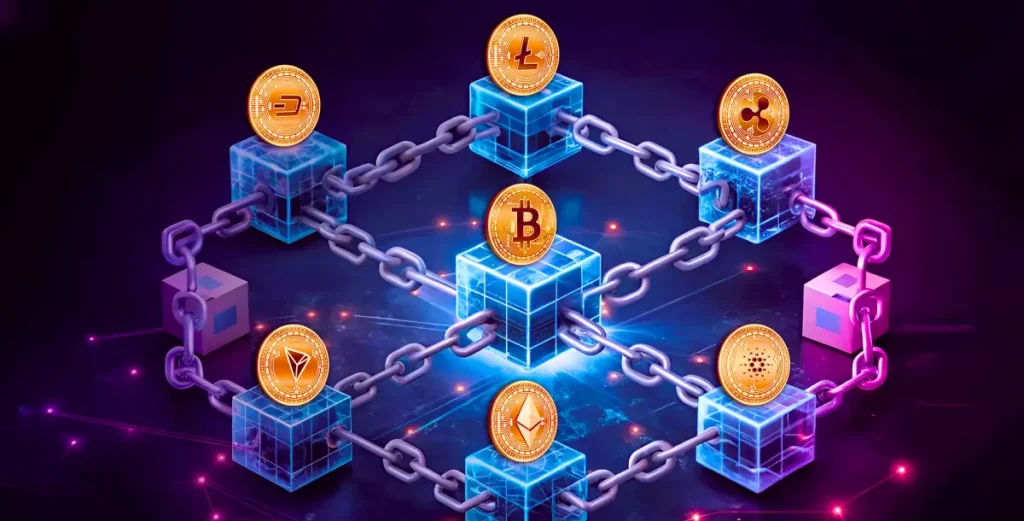
Checklist for safe cross-chain restaking
Before you commit capital, verify these security steps to protect your cross-chain restaking assets.
-
Confirm the bridge is live and not scheduled for closure, such as the recent Toncoin bridge shutdown.
-
Select a liquidity protocol with a proven track record in 2026, avoiding experimental or low-trust routes.
-
Verify the restaking contract address on the official Everclear Academy or project documentation.
-
Test with a minimal amount first to ensure the cross-chain transaction completes successfully.
-
Double-check the destination chain and token symbols to prevent irreversible loss.
No comments yet. Be the first to share your thoughts!