
Choose a secure bridge protocol
Cross-chain restaking requires moving assets from a source chain to a destination chain where the restaking protocol is deployed. The bridge you select acts as the security layer for this transfer. If the bridge is compromised, your restaked assets are at risk, regardless of how secure the destination protocol is. Prioritize security over speed or low fees.
In 2026, the landscape of cross-chain liquidity protocols is divided into three main paradigms: AMM-native, bridge-fed, and solver-networked. Each offers different trade-offs between decentralization, cost, and finality. Use the comparison below to identify the protocol that best matches your risk tolerance and asset type.
| Protocol | Security Model | Supported Chains | Typical Fees |
|---|---|---|---|
| Stargate | LayerZero (OFT) | 15+ EVM & Non-EVM | Dynamic, often lower |
| Wormhole | Guardian Network (TCN) | 30+ ecosystems | Moderate |
| Symbiosis | AMM + Liquidity Pools | 20+ chains | Variable, pool-based |
| HydraDX | Solver Network | Polkadot & Parachains | Low, solver-optimized |
Stargate uses LayerZero’s Omnichain Fungible Tokens (OFT) standard, relying on a decentralized verifier network. It supports over 15 chains, including both EVM and non-EVM ecosystems like Solana and Aptos. Fees are dynamic but generally competitive for large transfers. Its security model is widely regarded as robust due to the distributed nature of its verifiers.
Wormhole operates a Guardian Network, a set of centralized validators that sign messages. While it supports the widest range of chains (30+), its reliance on a smaller set of guardians introduces a higher centralization risk. It is often preferred for its reliability and speed rather than pure decentralization.
Symbiosis uses an AMM-native approach with liquidity pools across chains. It is suitable for smaller transfers where speed is less critical than cost. Its security depends on the liquidity depth of its pools, which can vary by asset pair.
HydraDX leverages a solver network, a newer paradigm where independent solvers compete to route assets. This model is particularly effective for Polkadot and Parachain ecosystems, offering low fees and high efficiency. It is less suitable for general-purpose cross-chain transfers outside its native ecosystem.
When selecting a bridge, verify the protocol’s audit history and active security budget. Avoid bridges with recent, unresolved exploits. For most restaking operations, Stargate or Wormhole are the safest starting points due to their extensive track records and wide adoption.
Bridge assets to the restaking chain
Before you can restake, you must move your ETH or liquid staking tokens (LSTs) from your current chain to the target restaking network. This transfer is not a simple swap; it requires a bridge that locks your assets on the source chain and mints a representation on the destination. For example, Everclear allows restaking from any chain by acting as the interoperability layer, but the mechanics of the transfer remain the same regardless of the protocol.
1. Select a verified bridge
Navigate to a bridge that supports your specific token and target chain. Official bridges (like the native Ethereum bridge) generally offer the lowest risk, while third-party aggregators may provide better rates or speed. Verify the bridge’s contract address directly from the official documentation of the restaking protocol you intend to use. Never click links from search results or social media posts, as these are common vectors for bridge-draining scams.
2. Connect your wallet
Click the "Connect Wallet" button on the bridge interface. Ensure you are using a hardware wallet or a secure software wallet like MetaMask or Rabby. The interface will request permission to view your balance and sign transactions. Do not approve any transaction that asks for unlimited token allowances on unknown contracts. If the bridge requests access to your private keys or seed phrase, leave immediately.
3. Input amount and select tokens
Enter the amount of ETH or LSTs you wish to bridge. The interface will display the estimated gas fees on both the source and destination chains. Ensure your source chain wallet has enough native currency (e.g., ETH on Ethereum, MATIC on Polygon) to cover these gas costs. If you are bridging from a chain where your native token is not the gas currency, you may need to acquire it separately.
4. Confirm and monitor
Review the transaction details, including the destination chain and the expected arrival time. Click "Bridge" or "Swap" to initiate the transaction. You will need to sign two transactions: one on the source chain to lock the assets and one on the destination chain to receive them (if using a non-custodial bridge). Monitor the transaction hash on a block explorer. Cross-chain transfers can take anywhere from a few minutes to several hours depending on network congestion and the bridge’s security finality period.
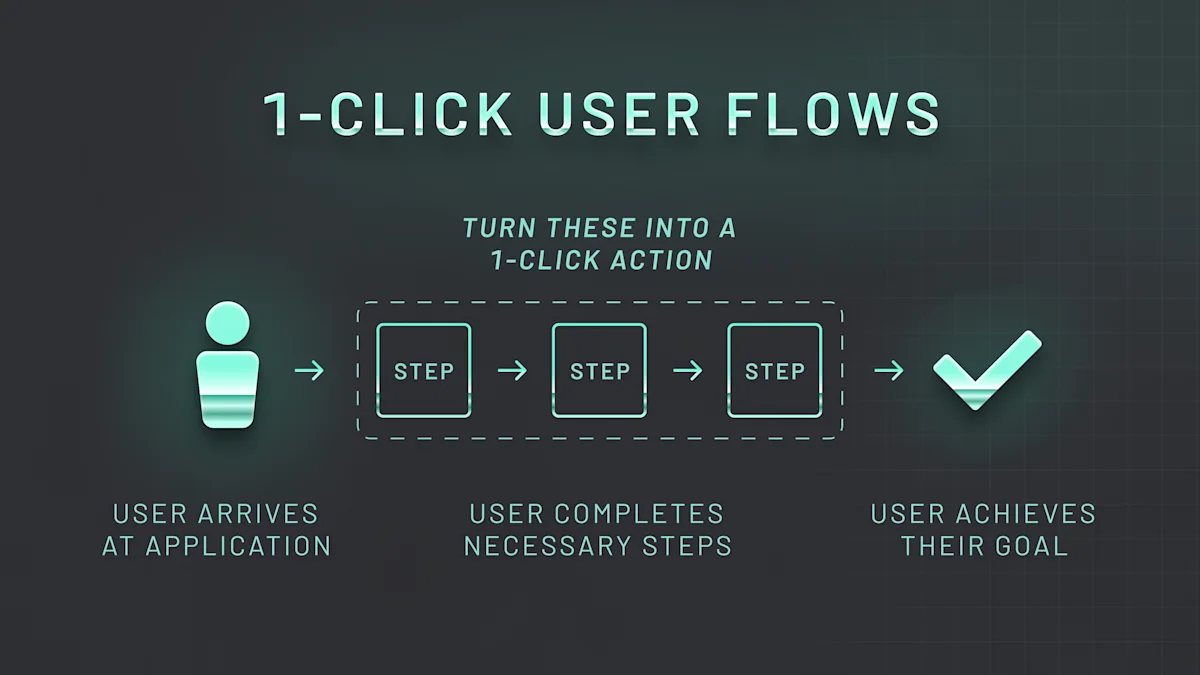
Navigate to the official bridge interface for your target restaking protocol. Connect your hardware or software wallet. Verify the URL and contract addresses against the project’s official documentation to avoid phishing sites.
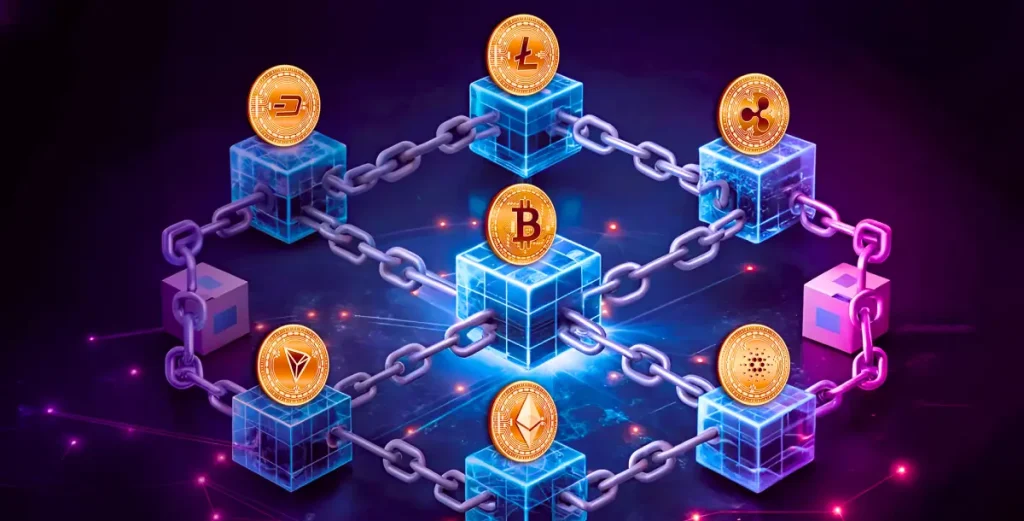
Enter the amount of ETH or LSTs to transfer. Ensure your source wallet has sufficient native currency for gas fees on both the sending and receiving chains. Review the estimated arrival time and fees.
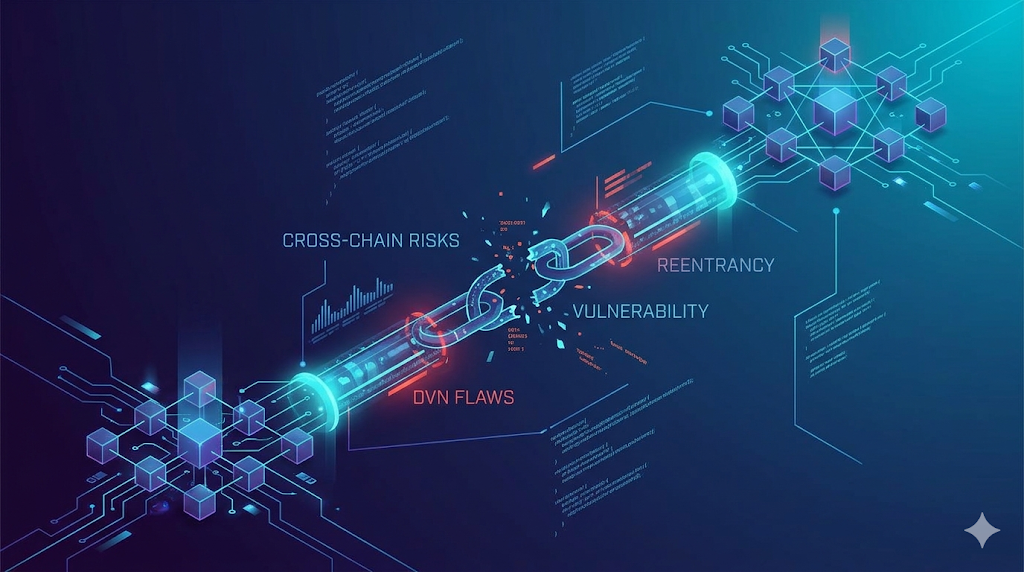
Approve the source chain transaction to lock your assets. If required, sign the destination chain transaction to mint the wrapped tokens. Monitor the transaction hash on a block explorer until the status shows "Success."
Select a liquid restaking token (LRT)
The destination chain determines which Liquid Restaking Token (LRT) you can actually use. An LRT is a tokenized receipt that represents your restaked position, allowing you to earn yield while maintaining liquidity. However, these tokens are not universal; they are specific to the infrastructure and security modules of the chain they reside on.
To choose the correct LRT, you must first identify the primary restaking protocol active on your destination chain. Currently, EigenLayer is the dominant protocol on Ethereum, while its ecosystem has expanded to include specialized LRTs on L2s like Arbitrum and Base. If you are moving to a different ecosystem, such as Solana or Cosmos, you must look for native restaking primitives or cross-chain bridges that support LRT wrapping.
Evaluate the LRT based on three concrete factors: the underlying security layer, the yield source, and the bridge risk. The security layer is the set of Actively Validated Services (AVSs) your stake protects. More AVSs mean higher potential rewards but also greater exposure to slashing conditions. The yield source should be transparent; prefer LRTs that clearly disclose whether returns come from restaking fees, MEV, or protocol incentives. Finally, assess the bridge risk. If the LRT requires bridging from the source chain, you introduce smart contract risk at the bridge layer. Always verify that the LRT contract is audited and has a substantial total value locked (TVL) to ensure market depth.
Deposit and stake on the protocol
Once your bridged assets are in your wallet, the final step is to interact with the LRT contract. This process locks your capital into the protocol, activating the restaking mechanism and minting your yield-bearing receipt token.
Before the protocol can move your funds, you must grant the LRT contract permission to spend your bridged assets. This is a standard ERC-20 approval transaction. Ensure you are interacting with the official contract address verified on the protocol’s documentation or block explorer to prevent phishing attacks. This step requires a small gas fee on the destination chain.
Navigate to the deposit interface and select the asset you wish to restake. Enter the amount and confirm the transaction. The contract will lock your deposited assets, securing them for the underlying consensus layer. At this stage, your capital is actively contributing to network security, but you do not yet hold the yield-bearing representation of this position.
After the deposit is confirmed, the protocol mints and transfers the corresponding Liquid Restaking Token (LRT) to your wallet. This token represents your share of the staked assets and the accrued yield. You can now hold this token to earn restaking rewards or provide it as collateral in other DeFi applications, completing your cross-chain restaking setup.
Audit smart contract risks
Cross-chain restaking layers interoperability protocols with liquid restaking tokens (LRTs), creating a complex attack surface. A failure in the bridge layer often results in total loss of assets, while a failure in the restaking layer triggers slashing of the underlying validators. You must audit both the bridge’s logic and the restaking contract’s slashing conditions before deploying capital.
1. Verify Bridge Security Model
Most cross-chain bridges rely on multi-sig wallets, federations, or decentralized sequencers to validate transfers. Each model has distinct failure points. Federated bridges are vulnerable to collusion among signers, while fully decentralized bridges often suffer from low liquidity or high latency that can be exploited during market volatility.
Check if the bridge uses a recognized security standard like CCIP (Chainlink Cross-Chain Interoperability Protocol) or if it relies on custom, unaudited logic. Custom bridges without formal verification have historically been the primary vector for the largest DeFi exploits. Look for the bridge’s audit reports from firms like OpenZeppelin or Trail of Bits, and verify that any known vulnerabilities have been patched.
2. Assess Restaking Slashing Conditions
Restaking protocols like EigenLayer allow you to reuse existing Ethereum staking deposits to secure other services (Actively Validated Services or AVSs). However, this doubles your exposure. If the AVS misbehaves or the bridge fails, your entire staked position is at risk of slashing.
Review the "slashing conditions" in the restaking contract. These are the specific rules that determine when your stake is penalized. Ensure you understand the threshold for slashing and whether the protocol has a "grace period" or a "dispute window" before penalties are applied. If the AVS is new or has low total value secured, the risk of malicious behavior is higher.
3. Review Oracle and Data Availability
Bridges and restaking contracts rely on oracles to report the state of the source chain to the destination chain. If an oracle is compromised or delayed, the bridge may finalize a fraudulent transaction. Ensure the oracle network is decentralized and has a proven track record of uptime.
Check if the protocol uses a "fraud proof" or "validity proof" system. Fraud proofs allow users to challenge invalid state transitions, providing a safety net against bridge hacks. Validity proofs (like ZK-proofs) offer stronger security guarantees but may come with higher costs and latency. Prefer protocols that implement fraud proofs as a standard feature, as this allows for faster finality while maintaining security.
4. Test with Small Amounts
Before committing significant capital, perform a small test transaction. Send a minimal amount of assets through the bridge and restake them on the AVS. Monitor the transaction status, the time it takes to finalize, and the accuracy of the balance updates. This practical test can reveal latency issues, hidden fees, or unexpected contract behavior that audits might not catch.
Keep a record of the transaction hashes and the exact amounts. If anything goes wrong during the test, you can trace the issue back to a specific step in the process. This step is crucial for building confidence in the protocol’s reliability before scaling up your position.
Monitor your position daily
Cross-chain restaking ties your capital to multiple protocols and blockchains. This complexity creates new failure points that don't exist in single-chain staking. You need a daily routine to track yield accrual, protocol health, and potential slashing risks before they become irreversible.
Set up a simple daily checklist to keep your position safe. Start by verifying that your staking rewards are accruing as expected on each chain. Check the gas costs for any required maintenance transactions to ensure they haven't spiked unexpectedly. Review protocol health dashboards for any unusual activity or downtime alerts.
Pay close attention to slashing conditions. In restaking, a validator misbehavior on one chain can penalize your stake across the entire network. Subscribe to official alert channels from the restaking protocols you use. If you see a slashing event, act immediately to mitigate further losses.
This routine takes less than ten minutes but protects you from the high-stakes nature of cross-chain exposure. Consistency is your best defense against the silent risks of interoperability.
Frequently asked questions about cross-chain restaking
Cross-chain restaking combines yield generation with cross-chain interoperability, but it introduces unique security trade-offs. Below are the most common questions about how these protocols work and where the risks lie.
No comments yet. Be the first to share your thoughts!