Get cross-chain restaking 2026 right
Cross-chain restaking lets you deploy a single staked asset—like ETH or SOL—across multiple networks to earn yield and secure other protocols. The mechanics are straightforward, but the risk surface is wide. Bridges and interoperability layers introduce attack vectors that don’t exist in single-chain staking. Before you lock funds, you must verify the technical prerequisites and understand the trade-offs.
The most common failure point is ignoring the bridge’s security model. If a protocol relies on a centralized bridge operator, you are trusting a single entity with your capital. Look for protocols using decentralized consensus or zero-knowledge proofs for cross-chain verification. These models reduce the attack surface significantly. Check the protocol’s documentation for details on their finality guarantees and slashing conditions.
Another critical check is liquidity depth. Restaking often locks your assets for extended periods. If you need to exit a position, you must ensure there is sufficient liquidity on the destination chain to swap your restaking receipts. Thin liquidity can lead to slippage or an inability to exit during market stress. Test the exit path with a small amount before committing significant capital. This simple step can save you from being stranded on a specific chain.
Finally, verify the compatibility of your wallet and the target chain’s gas token. Some cross-chain protocols require you to hold native gas tokens on multiple networks to pay for transactions. If you only have ETH on Ethereum Mainnet, you may not be able to interact with the protocol on Arbitrum or Optimism. Ensure your wallet is configured to manage assets across all relevant networks to avoid transaction failures.
-
Verify bridge security model (decentralized vs. centralized)
-
Check liquidity depth for exit paths
-
Confirm gas token requirements on all target chains
-
Test with a small transaction first
Work through the steps
Cross-chain restaking lets you secure yield across multiple L1s by locking assets on one chain and deploying that security on another. This process amplifies rewards but introduces bridge risks and slashing conditions you must understand before committing capital.
Start by selecting a compatible liquidity layer. Most protocols use bridge-fed or AMM-native models to move assets. Choose a protocol with a proven track record and audited smart contracts. Avoid new, unaudited bridges that promise high yields without transparency.

Research protocols like Eco or Solo Stakers to find the best fit for your assets. Compare their security models, supported chains, and historical uptime. Prioritize protocols with official audits and active community governance.
Transfer your staked tokens (e.g., stETH, stSOL) to the destination chain. Use the protocol’s native bridge or a trusted third-party bridge. Verify the destination address and network selection carefully to avoid permanent loss.

Connect your wallet to the restaking platform and deposit your bridged assets. Approve the smart contract to spend your tokens. Confirm the transaction details, including gas fees and slippage settings, before signing.
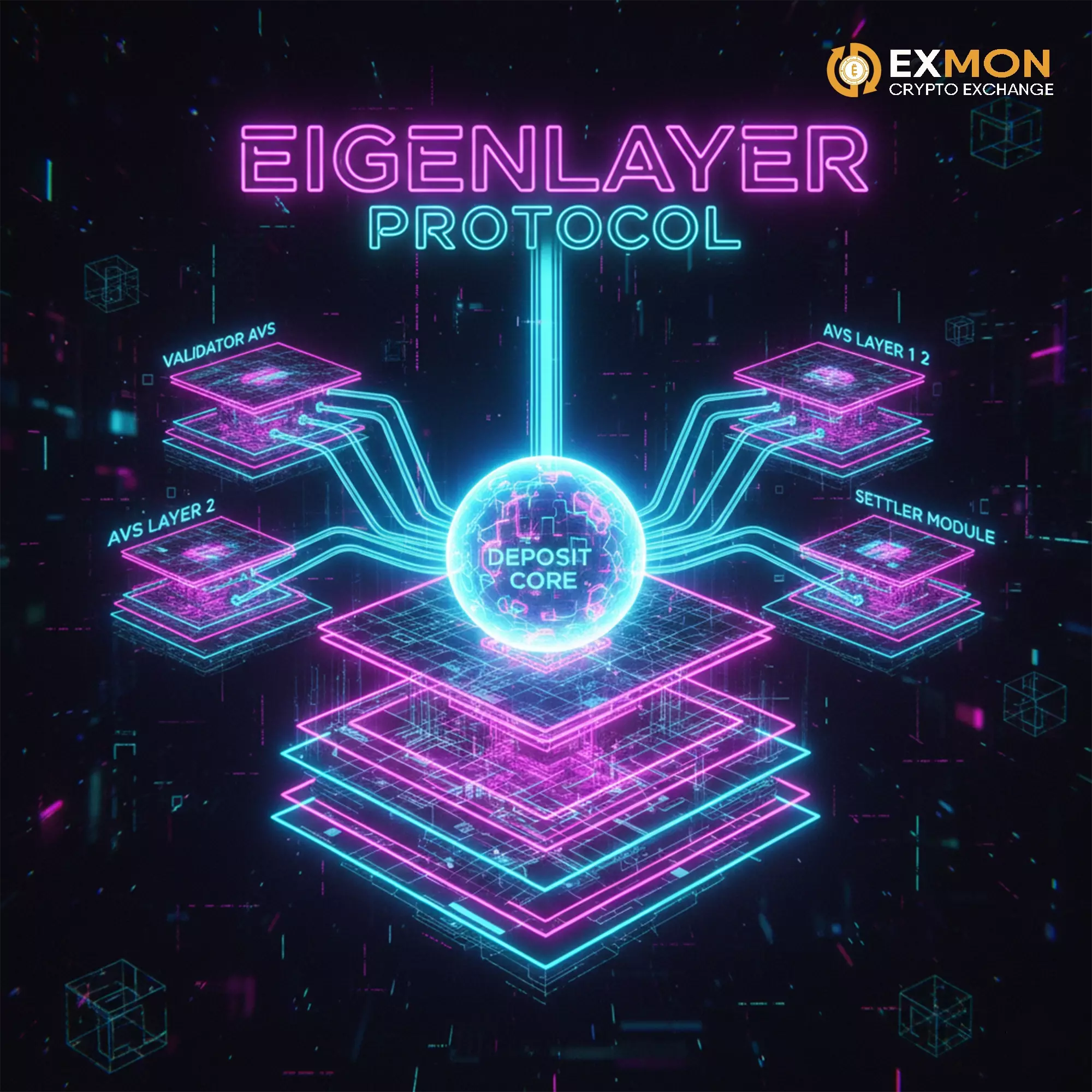
Delegate your restaked assets to validators or nodes on the target chain. This step secures additional networks and earns you yield. Monitor your delegation status to ensure it is active and contributing to network security.
Regularly check your positions for slashing events or protocol updates. Rebalance your portfolio if yields drop or risks increase. Use dashboards provided by the protocol to track performance and fees in real-time.
-
Verify protocol audit status
-
Confirm bridge security model
-
Check gas fees on both chains
-
Review slashing conditions
-
Monitor delegation status
Fix common mistakes
The Cross-Chain Restaking Boom troubleshooting should start with a clear boundary: what is actually broken, and what still works normally. Check the display, network connection, paired devices, app access, and recent updates before assuming the whole system needs a reset. A small connection failure can make the main screen feel unreliable even when the core system is fine. Work from low-risk checks to deeper resets. Confirm power state, safe parking, account access, and signal first. Then restart the interface, wait for it to reload completely, and test the original symptom. Avoid changing multiple settings at once because that makes it harder to know which step actually fixed the problem. If the issue affects safety information, repeats after every restart, or appears with warning messages, treat the reset as a temporary diagnostic step rather than the final fix. Document the symptom and move to official support instead of stacking more DIY attempts.
The simplest way to use this section is to keep the setup small, verify each change, and record the stable configuration before adding optional accessories.
Cross-chain restaking 2026: what to check next
Before committing capital to cross-chain restaking, it is essential to understand the mechanics and risks involved. This section addresses the most common practical objections and technical hurdles readers face when securing yield across multiple L1s.
No comments yet. Be the first to share your thoughts!