What cross-chain restaking means
Cross-chain restaking merges liquid restaking tokens (LRTs) with cross-chain interoperability to earn yield on multiple networks. This strategy allows you to deposit staking assets on one blockchain, receive yield-bearing tokens, and deploy them across isolated networks. The result is amplified returns, but it introduces significant bridge and smart contract risks that require precise management.
At its core, the mechanism relies on cross-chain bridges—software solutions that allow isolated blockchains to securely communicate. These trustless bridges use automated protocols to exchange and verify messages between different networks without a centralized intermediary. When applied to restaking, this infrastructure enables your staked assets to secure validators on secondary chains while maintaining their primary yield position.
The goal is chain abstraction: designing systems where users interact with yield without managing chain dependence. By standardizing cross-chain lending and staking, builders aim to create a seamless flow of capital. However, the complexity of moving assets across distinct consensus layers means every interaction carries the potential for exploit. Understanding this baseline is essential before attempting to execute any cross-chain restaking strategy.
Step 1: Choose a Secure Bridge Protocol
Security precedes speed in cross-chain restaking. Traditional lock-and-mint bridges require locking assets on the source chain and minting wrapped versions on the destination. This model relies on centralized multi-sig wallets or relatively untested cryptographic proofs, creating a single point of failure that has historically led to the largest crypto hacks.
Prioritize intent-based protocols. These systems use decentralized relayers to find the best execution path across chains without requiring users to hold wrapped assets. By settling the intent on-chain rather than relying on off-chain custodians, you significantly reduce the attack surface. Look for protocols with formal security audits and a proven track record of handling high-value transactions without incident.
When evaluating options, focus on the underlying security model rather than marketing claims. Verify that the protocol has undergone independent audits from reputable firms and check their incident history. Protocols like Across, Relay, and Eco Routes are currently leading the intent-based space by prioritizing security architecture over mere transaction speed.

| Protocol | Security Model | Supported Chains | Settlement Time |
|---|---|---|---|
| Across | Optimistic (Intent-based) | 20+ EVM & Non-EVM | < 2 minutes |
| Relay | Optimistic (Intent-based) | 15+ EVM | < 2 minutes |
| Eco Routes | Intent-based Aggregation | 30+ Chains | Variable |
| LiFi | Aggregator (Multi-model) | 30+ Chains | Variable |
Deposit and bridge your LRT
Moving a Liquid Restaking Token (LRT) like rsETH or ezETH to a new chain is not a simple wallet transfer. It is a cryptographic handshake between isolated networks. A bridge locks your asset on the source chain and mints a representative on the destination chain. This process requires precision; a single misstep can result in permanent loss of capital.
The workflow follows a strict sequence: acquire the LRT, select a trust-minimized bridge, execute the swap, and verify the mint. Treat each step as a distinct transaction with its own risk profile. Do not rush the confirmation phase.
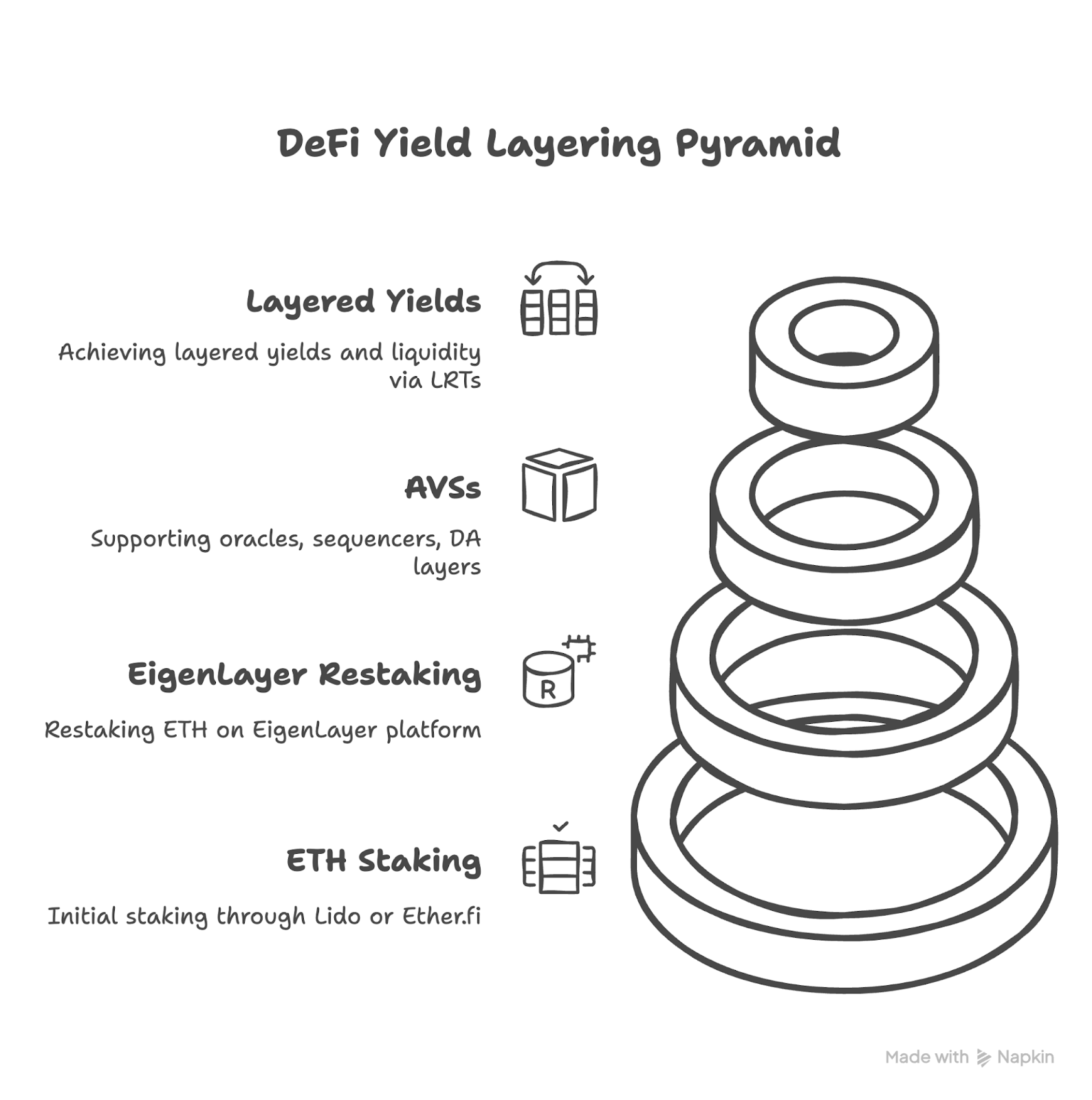
Ensure your wallet holds the native LRT on the origin chain. For example, if you are bridging from Ethereum, you must hold rsETH or ezETH in your connected wallet. Do not attempt to bridge the underlying staked ETH directly; you must bridge the liquid derivative token. Verify the token contract address matches the official LRT protocol to avoid phishing scams.
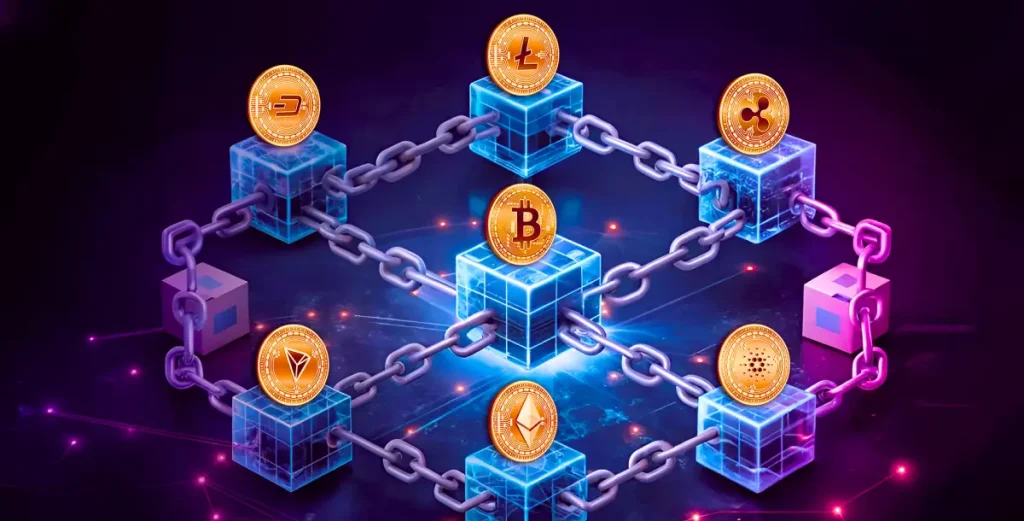
Choose a bridge with verifiable security guarantees. Prefer protocols like deBridge or LI.FI that offer cross-chain swap aggregation with transparent routing. Avoid bridges that rely solely on centralized multisigs or unknown validator sets. Check the bridge’s total value locked (TVL) and audit history to gauge reliability. The goal is to minimize the attack surface during the transfer.
Connect your wallet to the bridge interface. Input the amount of LRT to bridge and select the destination chain. Review the estimated gas fees on both the source and destination networks. Confirm the transaction in your wallet. Note that bridge fees vary significantly; high gas periods on Ethereum can make small transfers economically unviable.
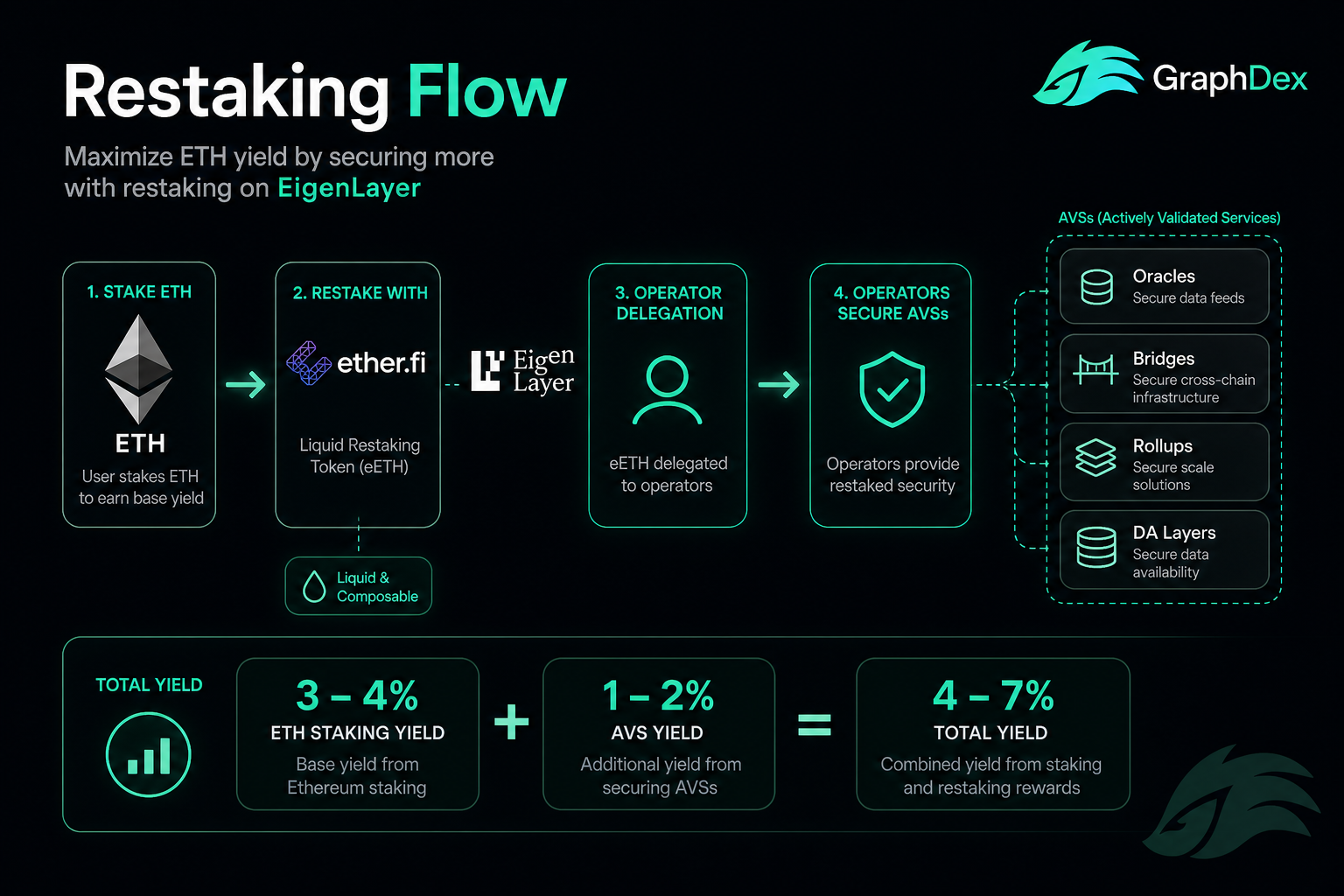
Wait for the bridge to finalize the message passing. This can take seconds on fast EVM-to-EVM bridges or minutes on others. Once complete, verify that the LRT appears in your destination wallet. Check the token balance directly on a block explorer to ensure the minting process succeeded. Do not proceed with restaking until the funds are fully confirmed and visible.
-
Verify LRT contract address on official protocol site
-
Check bridge TVL and audit status
-
Confirm gas fees on both chains
-
Verify final balance on destination block explorer
No comments yet. Be the first to share your thoughts!