Choose a secure bridge first
The bridge is the weakest link in any cross-chain restaking strategy. Even the most secure restaking protocol cannot protect your assets if the bridge carrying them is compromised. Your first step is to evaluate the bridge infrastructure itself, prioritizing security models over yield or speed.
Most bridges rely on multisig wallets or validator sets. These introduce centralized points of failure. If a multisig key is stolen, the funds are gone. Look for bridges using decentralized security models, such as light client verification or zero-knowledge proofs, which reduce reliance on human operators.
| Bridge Type | Security Model | Finality | Primary Risk |
|---|---|---|---|
| Native Bridge | Light Client Verification | Slow (Days) | Smart Contract Bug |
| Multisig Bridge | Signer Set | Fast (Minutes) | Key Compromise |
| ZK Bridge | Zero-Knowledge Proof | Medium (Hours) | Mathematical Complexity |
Bridge security is not static. Protocols update their validator sets and patch vulnerabilities constantly. Check the audit history of the bridge you intend to use. Reputable bridges publish their audit reports on their official websites. If a bridge has not been audited by a recognized security firm, treat it as high risk.
The goal is to minimize the attack surface. A bridge that requires you to trust a small group of validators is less secure than one that uses cryptographic proofs. Always verify the bridge's contract address on the official project website before connecting your wallet.

Verify restaking protocol legitimacy
Before bridging assets, you must confirm the restaking layer is secure. Cross-chain restaking combines two complex systems: the original staking protocol and the bridge connecting the chains. If either part fails, your funds are at risk.
Start by auditing the underlying restaking protocol. Check if it has undergone multiple independent security audits from reputable firms. Look for a history of successful exploit responses and bug bounties. Protocols like EigenLayer and Babylon are established, but you must verify their current security posture before moving assets.
Next, examine the cross-chain bridge. Bridges are the most common attack vector in crypto. Verify the bridge uses a trustless mechanism or a well-audited multi-sig setup. Check if the bridge has a dedicated insurance fund or bug bounty program. If the bridge is unaudited or relies on a small set of validators, treat it as high risk.
The Kelp DAO exploit serves as a cautionary tale. In 2026, Kelp DAO lost $292 million when a cross-chain bridge holding nearly a fifth of its restaked ether was drained. This loss highlights the danger of relying on a single bridge for restaked assets.
Finally, check the protocol's governance. Ensure that critical upgrades require community approval and time locks. This gives you time to exit if a vulnerability is discovered. Never skip these checks when dealing with cross-chain restaking.
Execute the cross-chain transfer
Cross-chain restaking relies on moving assets securely between isolated networks. A bridge acts as a trustless software solution that verifies messages and exchanges assets without a centralized intermediary. This section walks through the standard workflow for initiating a transfer using a reputable protocol.
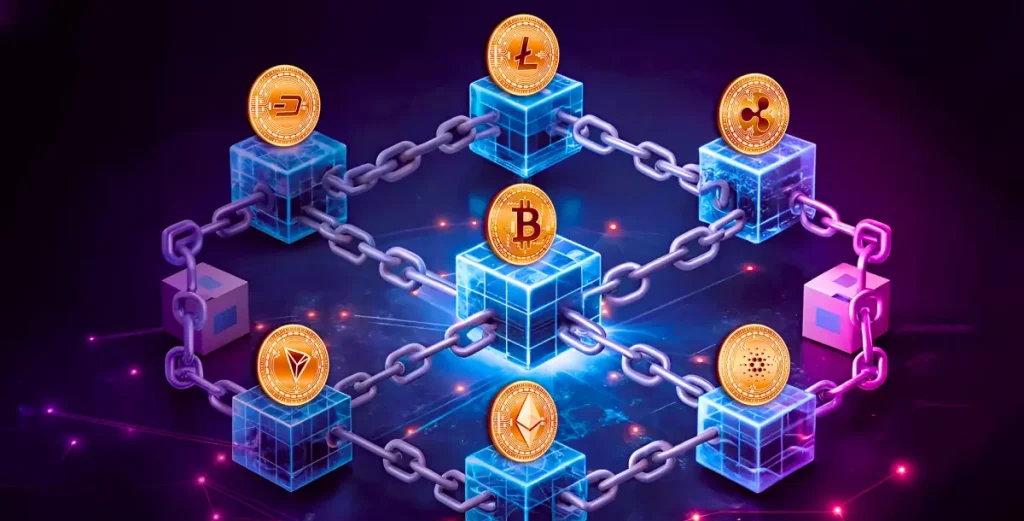
Open your bridge interface and connect the wallet holding your assets on the source chain. Verify the network selection matches your active chain (e.g., Ethereum Mainnet). Ensure your wallet supports the token you intend to bridge.
Choose the destination chain where you plan to restake. If bridging USDC, look for protocols supporting native burning and minting, such as Circle’s Cross-Chain Transfer Protocol (CCTP), which allows the asset to teleport across chains without wrapping. Review the estimated arrival time and fees.
If this is your first time using this bridge with the specific token, you must approve the bridge contract to spend your funds. This requires a separate transaction on the source chain. Wait for the approval transaction to confirm before proceeding to the transfer step.
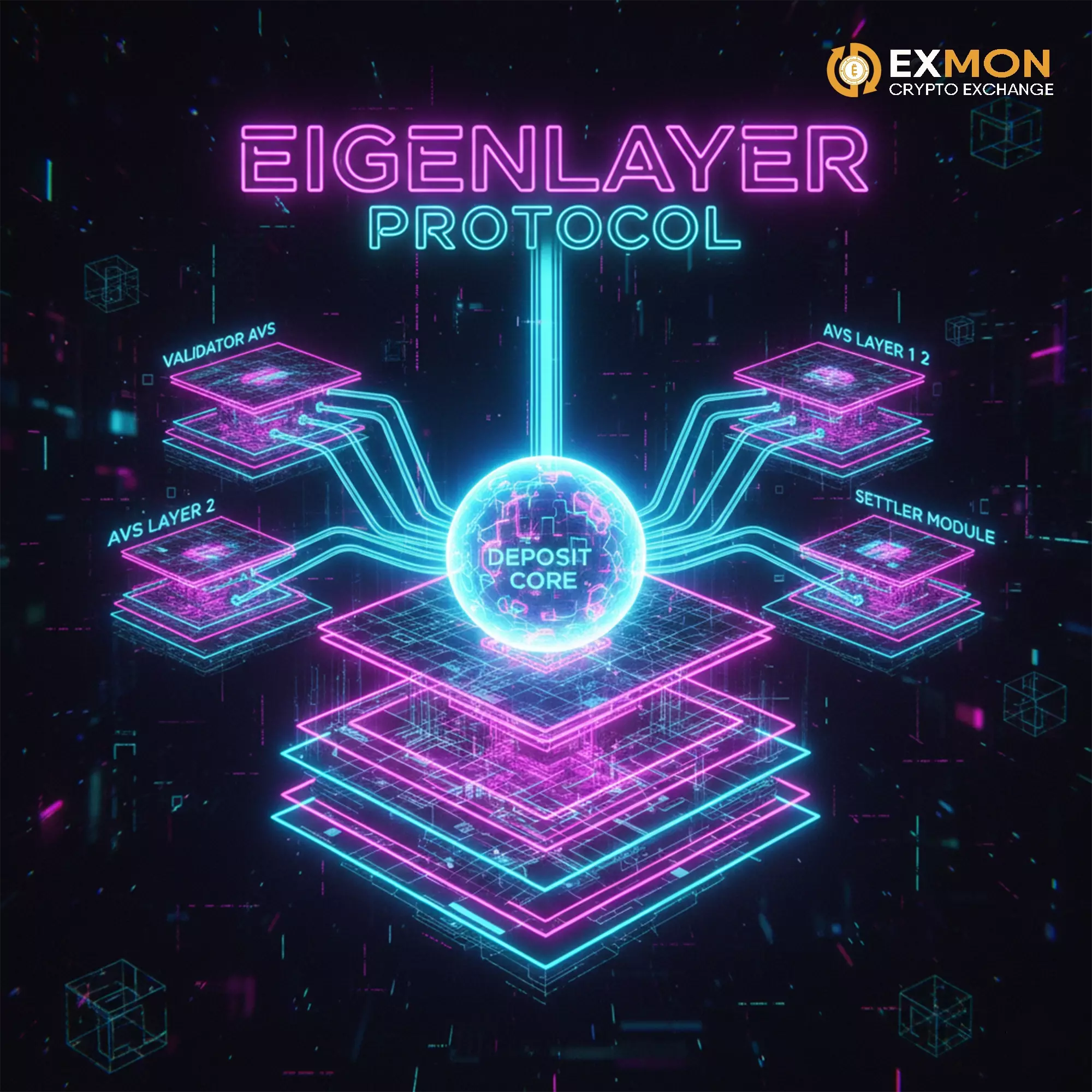
Enter the amount to bridge and click "Swap" or "Bridge." Review the slippage tolerance and output amount. Confirm the final transaction in your wallet. The bridge will lock or burn your assets on the source chain and release them on the destination.
Once the source transaction confirms, monitor the destination chain for the incoming assets. Most bridges provide a status tracker. Do not initiate restaking until the full amount appears in your destination wallet. Double-check the token contract address to ensure you are interacting with the correct asset.
Stake assets on the destination chain
With your tokens bridged and settled on the target blockchain, the final step is to deposit them into a cross-chain restaking contract. This action locks your capital to secure multiple networks simultaneously, activating the yield-generating mechanism.
1. Connect your wallet to the destination chain
Navigate to the official interface of your chosen restaking protocol. Ensure your wallet is connected to the correct network (e.g., Arbitrum, Optimism, or Base). Verify the contract address against the protocol’s official documentation to avoid phishing sites.
2. Approve the token spending
If you are using an ERC-20 token, you must first approve the restaking contract to spend your balance. This requires a standard transaction on the destination chain. Wait for the approval transaction to confirm before proceeding to the deposit step.
3. Deposit into the restaking strategy
Enter the amount of bridged assets you wish to stake. Review the specific strategy details, including the active validators and the expected yield rate. Confirm the transaction. Once confirmed, your assets are now secured across the selected chains.
4. Monitor your position and rewards
Restaking positions are not set-and-forget. Monitor your dashboard for validator performance and slashing events. You can track your accrued rewards and real-time risk exposure through the protocol’s explorer or dashboard.
Post-Staking Checklist
-
Verify the destination chain network in your wallet
-
Confirm the restaking contract address matches official sources
-
Check that the approval transaction is fully confirmed
-
Review the slashing conditions for your chosen strategy
-
Set up price alerts for your staked asset
Common cross-chain restaking mistakes
Cross-chain restaking introduces layers of complexity that can quickly erode your capital if you skip verification steps. The friction isn't just technical; it's financial. A single misstep in gas estimation or bridge selection can result in permanent loss or excessive slippage. Treat every transaction as a multi-part contract rather than a simple swap.
Ignoring gas estimation on the destination chain
Many users calculate fees based solely on their source chain, assuming the bridge covers the rest. This is false. You must hold native tokens on the destination chain to pay for the execution of the restaking contract. If you underestimate this requirement, your transaction will fail, and you may still lose the bridge fee.
Using unverified bridge contracts
The bridge landscape is rife with phishing sites and compromised smart contracts. Always verify the bridge address against official documentation from the restaking protocol or the Layer 2 network. Relying on a search result or a social media link is a fast track to drained wallets. Stick to the protocols explicitly supported by your restaking layer, such as those integrated with Chainlink CCIP or official CCTP utilities.
Overlooking slippage and price impact
Cross-chain swaps often involve multiple hops through liquidity pools. Each hop introduces slippage. If you don't set a reasonable slippage tolerance, the transaction may revert. If you set it too high, you'll receive significantly fewer restaking tokens than expected. Check the estimated output before confirming. Minimizing these costs requires proactive monitoring of network congestion and liquidity depth.
Skipping the test transaction
Never move your full allocation in one go. Send a minimal amount first to verify that the bridge works, the destination address is correct, and the restaking contract accepts the deposit. This small cost is insurance against catastrophic errors. Once confirmed, you can proceed with confidence.
No comments yet. Be the first to share your thoughts!