Restake assets across chains
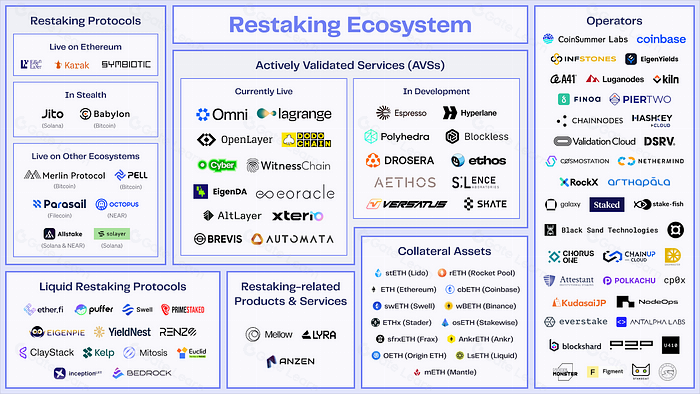
Cross-chain restaking allows you to reuse staked assets, such as liquid staking tokens (LSTs), to secure additional decentralized services on different blockchains. Instead of locking your Ethereum into a single validator set, you channel that security to Actively Validated Services (AVSs) via messaging layers or zero-knowledge proofs. This creates a shared security pool where your capital works harder.
The value proposition is straightforward: you earn yield from the base staking protocol while receiving additional rewards from the AVSs for providing security. This model benefits new protocols by allowing them to tap into Ethereum’s massive security budget without building their own validator networks from scratch. However, this efficiency comes with complexity. You must bridge assets, manage messaging proofs, and monitor multiple smart contracts simultaneously.
Before proceeding, understand that cross-chain restaking is not passive. It requires active oversight of the security services you support. If one of those services is compromised, your restaked assets may be slashed. This mechanism amplifies both potential returns and potential losses, making it a high-stakes variation of standard staking.
Choose your bridge and security layer
Selecting the right infrastructure is the most critical decision in cross-chain restaking. You are not just moving tokens; you are choosing how to secure them across different networks. A mismatch here can expose your staked assets to slashing or bridge exploits. The goal is to match the bridge’s security model with your risk tolerance.
Compare bridge protocols
Different protocols use distinct methods to verify state across chains. ZK (Zero-Knowledge) bridges offer faster finality with cryptographic proofs, while Optimistic bridges rely on challenge periods. EigenCloud simplifies the process by providing a unified layer for restaking across multiple chains. Use the table below to compare the primary options available in 2026.
| Protocol | Security Model | Supported Chains | Fee Structure |
|---|---|---|---|
| Celer IM | Optimistic | Ethereum, Arbitrum, Optimism, Base | Variable gas + bridge fee |
| Brevis | ZK Proofs | BNB Chain, Ethereum, Polygon | ZK computation fees |
| EigenCloud | Native EigenLayer | Multi-chain via EigenLayer | Network fees + AVS fees |
| LayerZero | Stellar (Oracle + VERX) | 50+ chains | Protocol fee + gas |
Match the protocol to your chain
Your target chain dictates which bridge is viable. If you are restaking on BNB Chain, Brevis provides a direct path using ZK proofs to relay consensus to other networks. For Ethereum L2s, Celer IM or EigenCloud are often the standard choices. Always verify that the bridge supports the specific Liquid Restaking Token (LRT) you intend to use.

Assess the security trade-offs
Restaking introduces compounded risks. Because your assets secure multiple external services simultaneously, they are exposed to the unique slashing conditions of every individual service they validate. A bridge that fails to properly verify state can lead to double-spending or loss of funds. Prioritize bridges with audited code and a proven track record of handling cross-chain state transitions.
Execute the restaking transaction
Cross-chain restaking requires moving your liquid staking tokens (LSTs) from a source chain to a destination chain where an Actively Validated Service (AVS) resides. This process involves wrapping your assets, bridging them across networks, and delegating them to the AVS contract. The workflow below outlines the standard sequence for executing this transaction.

Begin by wrapping your native ETH into a liquid staking token, such as stETH or rETH, on your source chain (typically Ethereum Mainnet). This step converts your staked position into a transferable asset that can be utilized by cross-chain protocols. Ensure you are using a reputable Liquid Restaking Token (LRT) provider that supports the specific AVS you intend to join.
Use a cross-chain bridge or messaging protocol to move your LSTs to the target chain. Protocols like Renzo leverage Hyperlane and Chainlink to facilitate native restaking, ensuring that your assets arrive on the destination chain ready for deployment. Verify that the bridge supports the specific token standard of your LST to avoid compatibility issues during the transfer.
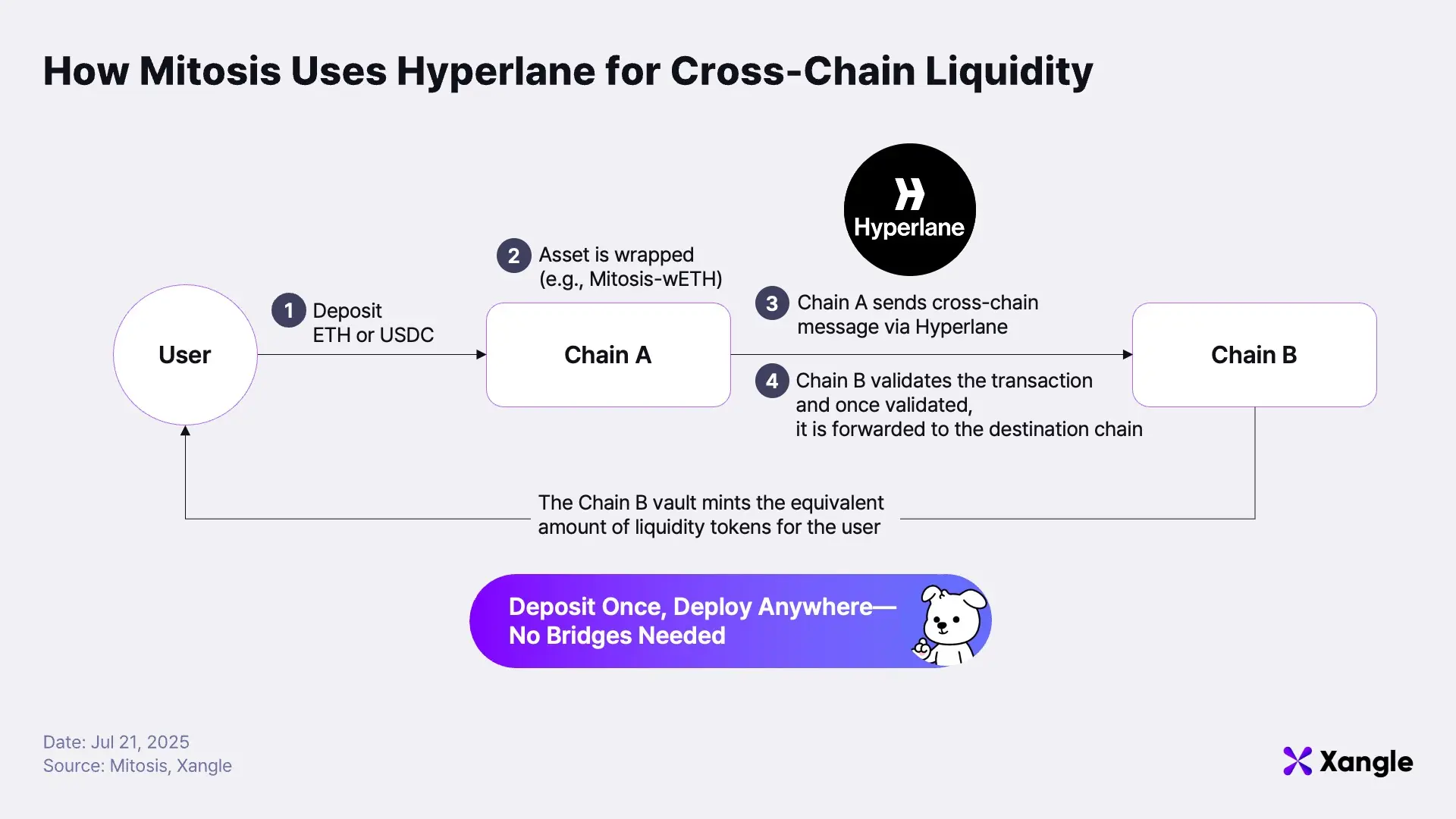
Once your LSTs have arrived on the destination chain, interact with the AVS’s smart contract vault to deposit your tokens. This action delegates your staked security to the AVS, allowing it to utilize your validator’s resources. Review the vault’s specific requirements, such as minimum deposit amounts or lock-up periods, before confirming the transaction.
After depositing, verify that your position is correctly registered on the target chain’s blockchain explorer. Confirm that your LSTs are now secured by the AVS and that you are eligible to receive rewards. This final step ensures that your cross-chain restaking transaction has been successfully executed and is active.
Monitor slashing and yield risks
Cross-chain restaking amplifies the complexity of validator security. When you restake assets across multiple chains, you are not just securing one network; you are exposing your stake to the unique slashing conditions of every Actively Validated Service (AVS) it supports. If one AVS fails to perform or violates protocol rules, the penalty can cascade back to your original stake on Ethereum.
The primary danger lies in the propagation of these slashing conditions. Unlike standard liquid staking, which carries base-layer slashing risk, liquid restaking introduces compounded exposure. A validator must monitor the health and compliance of all connected AVSs in real-time. If an AVS on a secondary chain experiences a bug or a malicious attack that triggers a slashing event, your restaked assets are at risk of being penalized, even if your node on Ethereum is operating correctly.
To mitigate these risks, you must implement robust monitoring tools that track slashing events across all connected chains. Solutions like Chain Signatures enable cross-chain interoperability, allowing protocols to securely monitor stake, delegation, and slashing conditions across different networks. Without this visibility, you are operating blindly, unaware that a penalty on a niche AVS could drain your yield or principal.
Regular audits of your restaking configuration are essential. Ensure that your delegation preferences allow for easy reallocation if an AVS becomes too risky. By treating cross-chain security as an active, continuous process rather than a set-and-forget task, you protect your capital from the unique vulnerabilities inherent in pooled, multi-chain validation.
Finalize your cross-chain strategy
Before committing capital, treat your cross-chain restaking setup like a security audit rather than a simple deposit. The complexity of bridging assets and securing multiple services introduces distinct points of failure that require verification.
Use this checklist to confirm your safety margins:
-
Verify bridge audit status: Ensure the bridge connecting your source chain to the restaking layer has undergone a recent, reputable security audit.
-
Check AVS slashing history: Review the Actively Validated Services (AVS) you plan to support. High slashing frequency or past incidents indicate elevated risk to your principal.
-
Confirm gas costs on both chains: Calculate the total cost of bridging, staking, and potential unstaking transactions across both the origin and destination networks.
This final review ensures you understand the compounded risks of liquid restaking. Because your assets secure multiple external services simultaneously, they are exposed to the unique slashing conditions of every individual service they validate [src-serp-2]. Only proceed once you are comfortable with these specific exposure vectors.
Common questions about cross-chain restaking
Understanding the mechanics of restaking helps clarify the risks and rewards before committing capital. This section addresses the most frequent questions from developers and stakers to explain how security is shared across chains.
No comments yet. Be the first to share your thoughts!