How cross-chain restaking works
Restaking begins with an asset that is already securing a blockchain, such as Ethereum, and pledges that same capital to protect additional services. Instead of locking funds for a single purpose, validators reuse their staked ETH to provide security for other networks. This mechanism, popularized by protocols like EigenLayer, allows the same underlying proof-of-stake consensus to serve multiple verticals simultaneously.
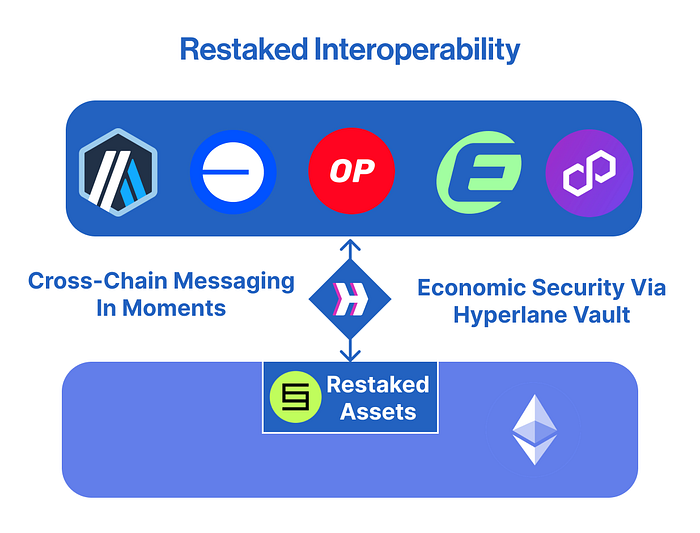
Cross-chain bridging connects this isolated security to external ecosystems. A bridge acts as a software conduit, allowing assets and data to move between blockchains without centralized intermediaries. When combined with restaking, the bridged capital can secure cross-chain messaging protocols, decentralized oracle networks, or interoperability layers. The result is a unified security model where a single validator node contributes to the integrity of multiple, distinct chains.
The technical baseline relies on automated verification. Protocols like Chainlink CCIP enable secure token and message transfers, ensuring that the data moving across chains is valid before restaked capital backs the transaction. This creates a feedback loop: higher security demands attract more capital, while the availability of restaked yield incentivizes more validators to participate. The system functions as a pooled security market, where yield is generated by the premium placed on shared cryptographic guarantees.
Leading cross-chain restaking protocols
Cross-chain restaking has matured from experimental bridges into a structured ecosystem of interoperability layers. In 2026, the strategy relies on specific protocols that allow validators to secure multiple networks simultaneously. These protocols differ significantly in their security models, supported chains, and yield sources. Choosing the right infrastructure is critical for managing the risk of bridge exploits while maximizing capital efficiency.
The landscape is dominated by protocols that act as the transport layer for restaked assets. Some rely on decentralized oracle networks to verify state, while others use cryptographic proofs or lock-and-mint mechanisms. Understanding these distinctions helps investors identify which chains offer the most robust security guarantees for their restaked positions.
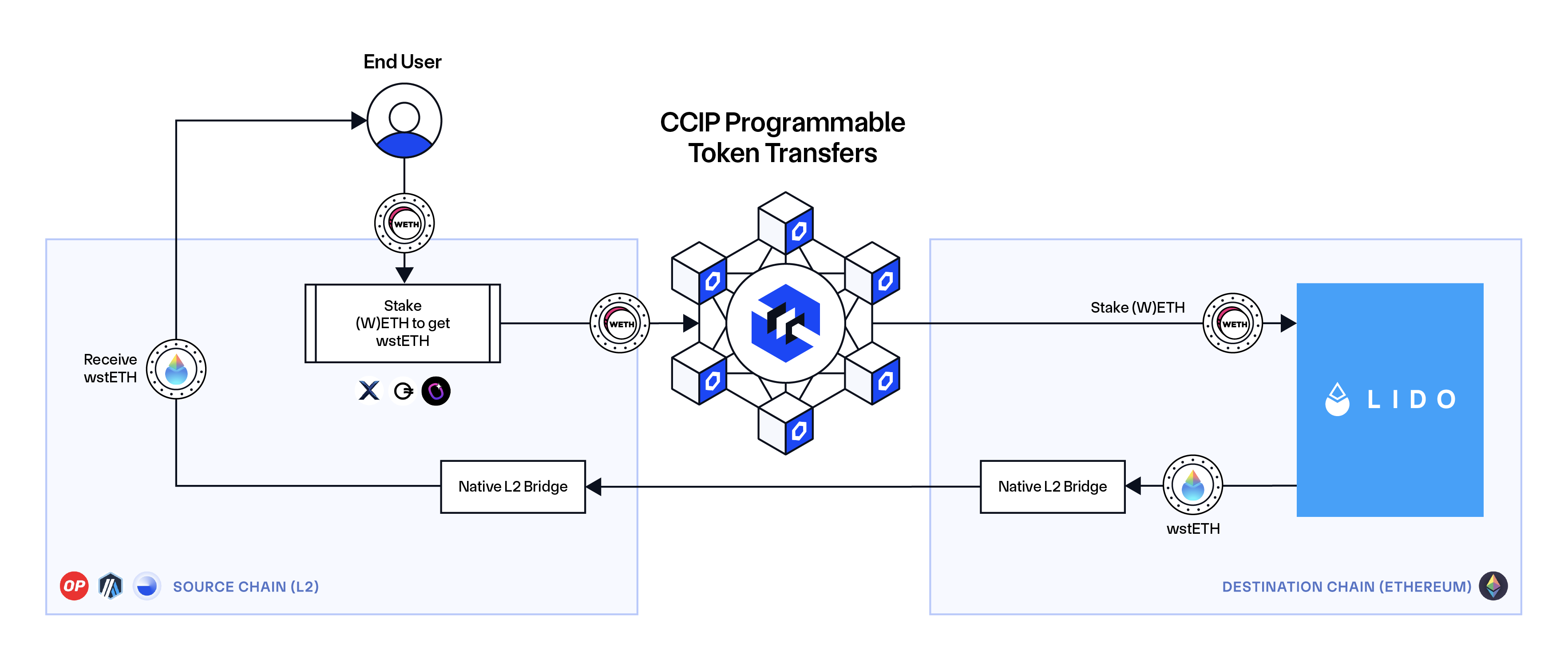
The following table compares the primary protocols enabling this strategy. It focuses on the underlying security mechanism and the breadth of chain support, which are the two most critical factors for long-term viability.
| Protocol | Security Model | Key Chains | Yield Source |
|---|---|---|---|
| Chainlink CCIP | Decentralized Oracle Network (DON) | EVM, Solana, Aptos | Native token transfers + messaging fees |
| LayerZero | Ultra Light Node (ULN) + STOGO | EVM, Cosmos, Move | Cross-chain messaging + asset swaps |
| Wormhole | Guardian Network (Multi-sig) | EVM, Solana, Terra, NEAR | Wrapped asset liquidity + fees |
| Hyperlane | Verifiers (BLS Signatures) | Multi-chain (Modular) | Generic messaging + token bridges |
| deBridge | DeFi Chain + dApp Chain | EVM, Cosmos, Solana | Liquidity routing + protocol fees |
Bridge risks and smart contract exposure
Cross-chain restaking multiplies yield potential, but it also multiplies the attack surface. When you lock assets in a restaking protocol like EigenLayer or Kelp DAO and then bridge them to another chain, you are no longer relying on a single blockchain’s security model. Instead, you are exposing your capital to the weakest link in a complex interoperability stack. The margin for error shrinks significantly when multiple protocols must agree on the state of your funds across different networks.
Bridge exploits remain the largest source of loss in cross-chain DeFi. Unlike smart contract bugs that might affect a single protocol, bridge hacks often drain liquidity pools across dozens of chains simultaneously. Interoperability protocols rely on complex cryptographic proofs or validator sets that, if compromised, allow attackers to mint unauthorized tokens or steal locked assets. The 2026 landscape still sees significant capital at risk from these structural vulnerabilities, particularly in less audited or newer bridge implementations.
Smart contract exposure extends beyond the bridge itself. Restaking contracts introduce additional layers of complexity, including slashing conditions and reward distribution mechanisms that must function correctly across chains. A bug in the restaking layer can lead to unintended slashing or frozen assets, even if the bridge itself remains secure. The interplay between restaking slasher contracts and bridge message-passing systems creates unique failure modes that are difficult to predict.
The "high stakes" nature of this strategy means that risk management is not optional. Diversifying across multiple bridges and restaking protocols can mitigate single-point failures, but it does not eliminate systemic risk. Always prioritize protocols with transparent audit histories and decentralized validator sets. The potential for high yields is real, but so is the potential for total loss if the underlying infrastructure fails.
Calculating net yield after fees
Theoretical APY figures from cross-chain restaking protocols often paint an optimistic picture that rarely survives contact with transaction costs. To determine true profitability, you must subtract the friction of moving capital across networks. This includes gas fees on both the source and destination chains, bridge execution fees, and slippage incurred during token swaps.
Gas costs vary significantly depending on network congestion. Ethereum mainnet transactions can be expensive, while Layer 2 networks like Arbitrum or Base offer cheaper alternatives. Bridge fees depend on the interoperability protocol used; for instance, Chainlink CCIP or Circle’s CCTP may charge different rates based on volume and token type. Slippage occurs when the price of the asset changes between the time you initiate the swap and when it executes, particularly for less liquid tokens.
A PriceWidget contextualizes these costs against current market conditions. When ETH prices are high, the absolute value of gas fees as a percentage of your position decreases, making frequent rebalancing more viable. Conversely, in low-price environments, fixed gas costs can eat a larger portion of your yield.
To calculate net yield, start with the gross APY offered by the restaking protocol. Subtract the average bridge fee percentage and estimated gas costs per transaction. Finally, account for potential slippage, which can range from 0.1% to several percent depending on liquidity depth. If the resulting net yield is less than 1-2%, the cross-chain strategy may not be worth the operational complexity and risk exposure.
Executing a secure cross-chain strategy
Deploying capital across chains requires treating verification as a non-negotiable first step. Before moving assets, confirm the bridge protocol’s audit status and verify contract addresses directly on-chain. A single typo or outdated address can result in permanent loss. Use the Chainlink CCIP documentation or the official Circle CCTP portal as your primary source of truth for contract interactions.
Start with a minimal test transaction to validate the entire workflow. Send a small amount of capital through the bridge to the destination chain before committing significant funds. This test confirms that gas fees are sufficient, the destination address is correct, and the liquidity pool has the necessary depth for your intended swap.
Scale your position gradually as confidence in the route increases. Monitor the transaction on both the origin and destination explorers to ensure the message passing completes without errors. Avoid moving large sums immediately; let the test transaction serve as your proof of concept for the specific chain pair and bridge you selected.
Confirm the bridge’s smart contract address on the official protocol website. Never rely on third-party links or unverified search results for contract details.
Transfer a small amount (e.g., $10–$20) to verify the full path, including gas costs and destination liquidity.
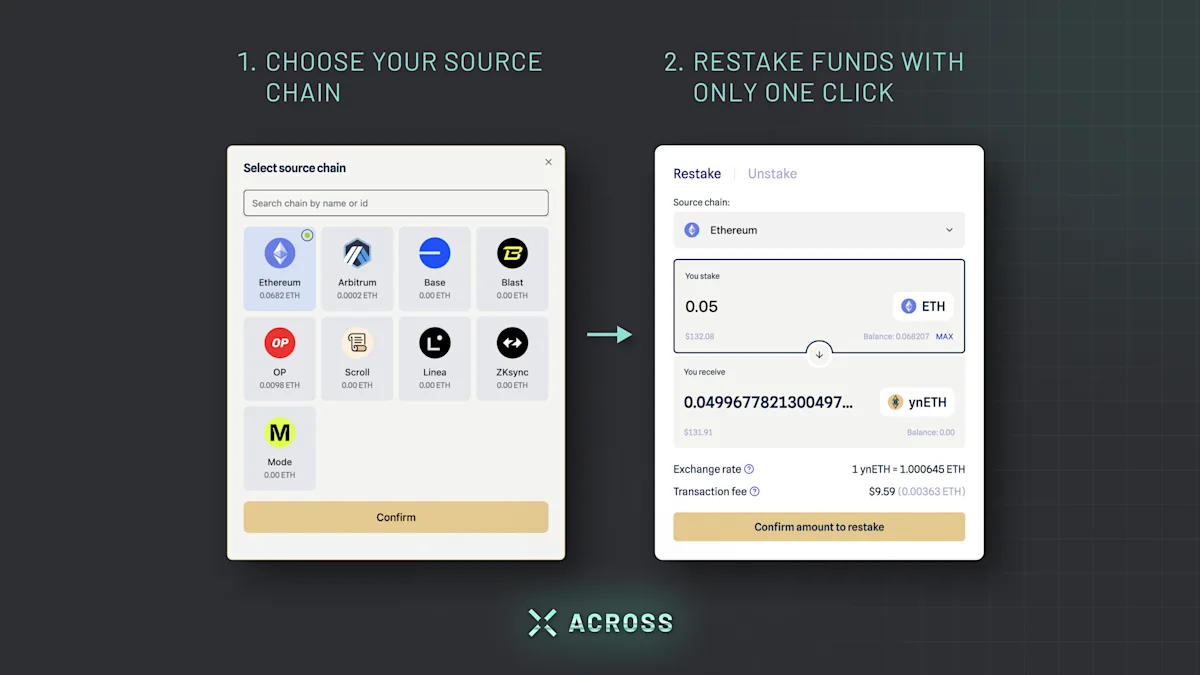
Once the test succeeds, gradually increase your position. Keep an eye on bridge fees and slippage as volumes grow.
Common cross-chain: what to check next
Cross-chain infrastructure involves complex technical choices. Understanding how different protocols handle swaps, transfers, and security is essential for managing risk in 2026.
No comments yet. Be the first to share your thoughts!