
What cross-chain restaking actually does
Cross-chain restaking takes assets you have already staked on Ethereum—typically liquid staking tokens (LSTs) like stETH—and pledges them to secure additional decentralized services on other networks. This process transforms your staked capital from a passive yield generator into an active security provider. Instead of simply earning base layer rewards, you are now validating specific cross-chain messages or bridging operations, earning extra rewards in return for that added responsibility.
This mechanic differs significantly from standard liquid staking. With basic liquid staking, your primary risk is the smart contract of the liquid staking protocol and the slashing conditions of Ethereum itself. Restaking introduces compounded risk because your assets simultaneously secure multiple "Actively Validated Services" (AVSs). If any of these external services fail or are compromised, your staked ETH could be slashed, meaning you are exposed to the unique failure modes of every network you support.
The goal is to create a shared security model where capital efficiency is maximized across the ecosystem. However, this convenience comes with the inherent dangers of interoperability. You are trusting not just Ethereum’s consensus, but also the security assumptions and bridge mechanisms of every cross-chain protocol you interact with.

Choose your base chain and LST
Cross-chain restaking begins with a single decision: where to anchor your initial stake. This choice determines both your yield potential and your exposure to interoperability risk. You are not just picking a network; you are selecting the foundation upon which your capital will be secured across multiple chains.
Select your Liquid Staking Token (LST)
Your journey starts with a Liquid Staking Token (LST) such as stETH or cbETH. These tokens represent your staked assets and allow you to restake them without withdrawing from the original consensus layer. While Ethereum’s stETH is the industry standard, other LSTs like cbETH or ezETH offer different yield structures and ecosystem alignments.
However, diversification here carries risk. As noted by Chainlink, liquid restaking introduces compounded risks because assets secure multiple external services simultaneously. If one of those services fails or faces a slashing event, your entire position could be penalized. Choose the LST that aligns with the specific Actively Validated Services (AVSs) you intend to support.
Pick your primary chain
Next, choose the blockchain where you will initially execute the restaking transaction. Ethereum Mainnet offers the deepest liquidity but comes with high gas fees. Layer 2 solutions like Arbitrum, Base, or Optimism provide cheaper transactions and are increasingly becoming the hub for cross-chain restaking protocols.
Your choice of chain dictates which bridges and interoperability protocols you must trust. If you restake on an L2, you must rely on the bridge connecting it to Ethereum. A failure in that bridge or a delay in finality can lock your assets or expose you to reorg risks. Ensure the L2 you choose has robust security guarantees and active monitoring.
Evaluate the interoperability layer
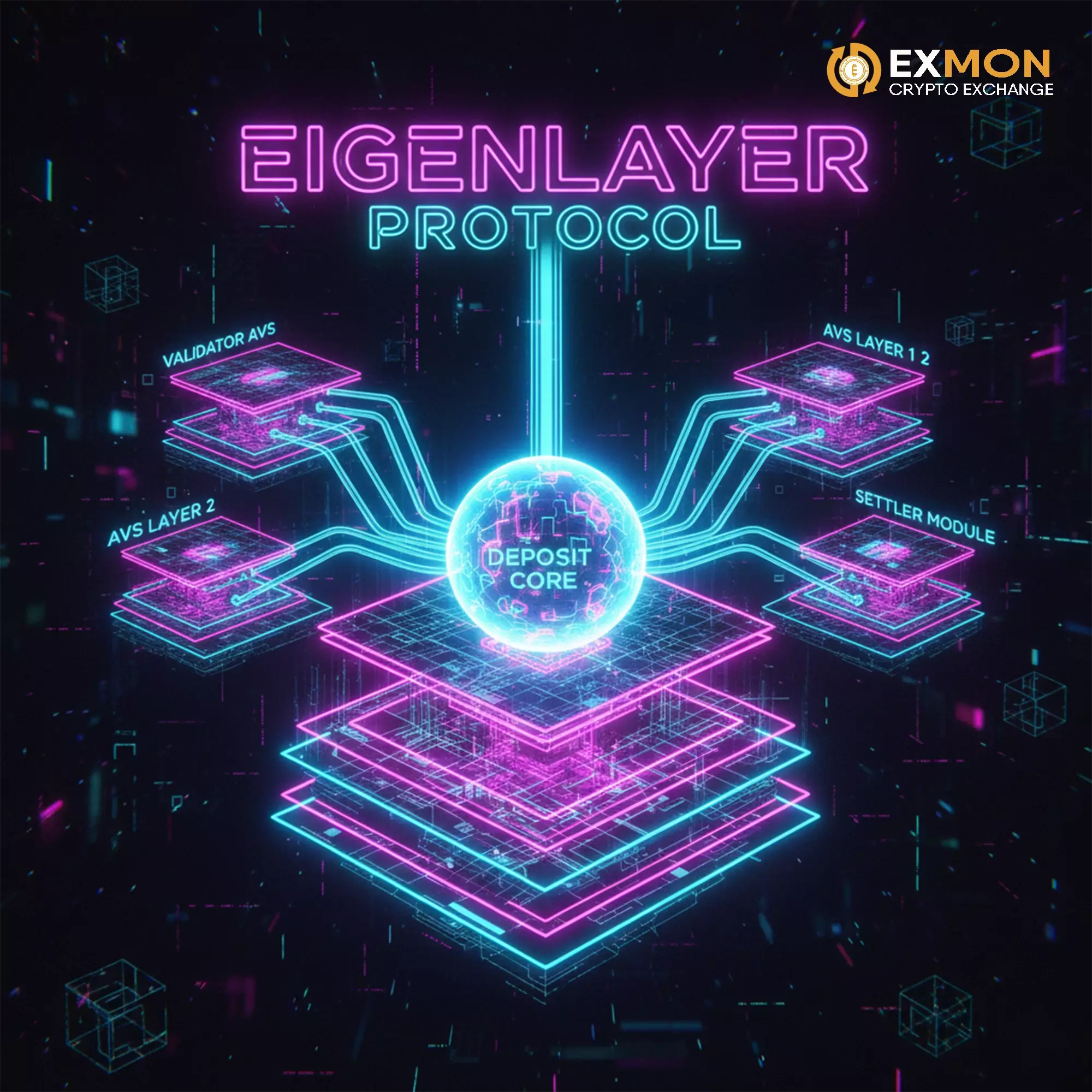
The final piece of this selection process is understanding how your assets will move between chains. Protocols like Renzo Protocol use integrations with Hyperlane and Chainlink to facilitate cross-chain native restaking. These layers are critical because they ensure that your staked position remains valid and secured regardless of which chain you are interacting with.
Do not overlook the security model of these interoperability layers. If a bridge or messaging protocol is compromised, your restaked assets are vulnerable. Prioritize chains and protocols with a proven track record of security audits and active bug bounty programs. The convenience of cross-chain access should never outweigh the need for robust security infrastructure.
Connect to a cross-chain restaking protocol
The bridge is the weak link in any cross-chain strategy. Selecting the wrong interoperability layer exposes your restaked assets to smart contract vulnerabilities that don't exist on the base chain. You need a protocol that prioritizes security over speed, ensuring your assets move without breaking the restaking contract on the destination network.
1. Choose a secure interoperability layer
Don't rely on generic bridges with low total value locked. Evaluate established layers like Chainlink CCIP, Hyperlane, or Celer IM based on their audit history and economic security models. For instance, recent integrations like Brevis and Kernel use trustless cross-chain messaging to expand BNB restaked security, demonstrating how specialized messaging layers can secure complex financial flows [src-serp-2].
2. Verify the destination AVS compatibility
Not all Actively Validated Services (AVSs) accept cross-chain deposits. Check if the AVS you intend to support has a native cross-chain interface or requires a specific wrapper. Protocols like Renzo's Flow Vaults are building infrastructure to unlock cross-chain, multi-asset restaking for any project on EigenCloud, ensuring your assets can actually be utilized once they arrive [src-serp-4].
3. Execute the bridge transaction
Initiate the transfer from your source chain wallet. Double-check the destination address and the specific AVS contract on the target chain. Because restaking introduces compounded risks, any error in the bridge process can lead to irrecoverable loss or exposure to unique slashing conditions [src-serp-5]. Confirm the transaction on the destination chain before proceeding to stake.
Verify the security assumptions
Before committing funds, you must audit the specific Actively Validated Service (AVS) and the bridge mechanism. Restaking introduces compounded risks because your assets secure multiple external services simultaneously. If one AVS fails or is exploited, your underlying staked ETH is exposed to slashing conditions unique to that service.
Start by reviewing the AVS's smart contracts and governance structure. Check if the service has undergone third-party security audits. Look for active bug bounty programs and a history of responsible disclosure. An AVS without transparent audit reports is a significant red flag.
Next, examine the bridge mechanism used for cross-chain validation. Bridges hold large amounts of value, making them prime targets for hackers. Prefer bridges with proven track records or those using decentralized validator networks rather than centralized multi-signature wallets. Understand the exit windows and potential points of failure in the bridging process.
Finally, assess the economic security model. Ensure the AVS has sufficient economic stake to deter malicious behavior. A weak economic security model increases the likelihood of slashing events. By thoroughly verifying these assumptions, you protect your capital from the unique risks inherent in cross-chain restaking.
Common mistakes in multi-chain staking
Cross-chain restaking amplifies rewards, but it also amplifies the attack surface. When you bridge assets and delegate them to multiple validators, you are no longer just managing one smart contract—you are managing a chain of dependencies. A single point of failure in that chain can result in total loss. The following pitfalls are the most frequent causes of capital erosion in 2026.
Ignoring double-slashing risks
The most dangerous misconception is assuming that restaking only carries the standard slashing risk of Ethereum’s base layer. When you restake, your assets secure Actively Validated Services (AVSs) in addition to Ethereum. If a validator acting on behalf of an AVS misbehaves, your staked ETH can be slashed for that specific violation. If the same validator also misbehaves on Ethereum, you face a second slash. You are effectively betting your capital against the security guarantees of every single protocol you support. Always audit the slashing conditions of the AVSs you are supporting; if the rules are opaque, the risk is unquantifiable.
Overlooking gas estimation errors
Multi-chain transactions require precise gas management. Bridging assets to a new chain involves a transaction that must be signed and executed before the original transaction on the source chain is finalized. If you underestimate the gas required for the bridge transaction, or if network congestion spikes during the transfer, your restaking transaction may fail. This is not just a matter of lost fees; a failed transaction in a time-sensitive restaking window can lead to missed rewards or, in worse cases, accidental inactivity penalties if your stake is not properly reported.
Mismatched token standards
Not all tokens are created equal across different blockchains. ERC-20 tokens on Ethereum may have different implementations or metadata than their bridged counterparts on L2s or sidechains. Some bridges wrap assets into synthetic tokens that lack the original contract’s safety checks. If you deposit a token into a restaking pool that expects a specific standard (like ERC-4626) but the bridge provides a legacy wrapped version, your funds may become trapped or inaccessible. Always verify that the token standard on the destination chain matches the restaking protocol’s requirements before initiating a bridge.

Cross-chain restaking checklist
Before moving your staked assets to a new chain, verify that the infrastructure can handle the risk. Cross-chain restaking compounds the slashing risk of the base layer with the bridge risk of the transfer layer. Treat this as a multi-step security audit rather than a simple transaction.
- Verify bridge security: Ensure the bridge uses a well-audited messaging layer like Hyperlane or Chainlink CCIP. Check the total value locked and the history of the bridge for past exploits.
- Confirm AVS audit status: Look for independent security audits of the Actively Validated Service (AVS) you are supporting. Unaudited AVSs pose a direct threat to your staked capital.
- Check gas reserves: Hold sufficient native gas tokens on the destination chain to cover transaction fees and potential bridge fees. Insufficient gas will freeze your funds.
- Test with a small amount: Execute a test transaction with the minimum possible amount. Wait for the full round-trip confirmation before committing significant capital.
-
Verify bridge security and audit history
-
Confirm AVS has independent security audits
-
Check gas reserves on destination chain
-
Test with a small amount first
Frequently asked: what to check next
Work through Cross-Chain Restaking
No comments yet. Be the first to share your thoughts!