Cross-chain restaking in 2026: the real limits to account for
Cross-chain restaking in 2026 has moved past the hype cycle into a phase defined by technical friction. The core challenge is no longer just finding yield, but managing the complex web of bridges and intent-based routing that connects Ethereum, Solana, and modular Layer 2s. Users are now expected to navigate a landscape where security assumptions vary wildly between chains, and the cost of failure can be total.
The primary constraint is latency and atomicity. Unlike native staking on a single chain, cross-chain restaking requires your assets to be locked, verified, and restaked across different consensus mechanisms. This introduces a "trust gap" where your yield is only as secure as the weakest bridge or validator set involved. A signed declaration of intent, as seen in newer intent-based routing protocols, helps, but it does not eliminate the risk of solver failure or liquidity fragmentation.
For 2026, the most viable strategy is to prioritize chains with mature restaking infrastructures, such as Ethereum and its immediate L2 ecosystem, while treating Solana as a complementary yield layer rather than a core restaking anchor. The yield differential is often outweighed by the operational overhead and security risks of bridging assets across heterogeneous networks. Focus on protocols that offer transparent, audited bridge paths and clear exit liquidity, rather than chasing the highest APY on obscure chains.
Cross-Chain Restaking Tradeoffs in 2026
Cross-chain restaking lets you stake assets like ETH or SOL on one chain while securing services on another. This unlocks higher yields by multiplying security capital. However, it introduces new risks that single-chain staking avoids. You must weigh yield gains against bridge exposure, latency, and protocol complexity.
The primary tradeoff is security versus convenience. Native restaking on Ethereum keeps assets within a single security model. Cross-chain restaking relies on bridges or intent-based routing to move value. Each hop adds potential failure points. If a bridge is compromised, your staked assets may be at risk, even if the restaking protocol itself is secure.
Liquidity and exit options also differ significantly. Native restaking often allows straightforward unstaking during epochs. Cross-chain options may lock funds for longer periods due to bridge finality times. You might face higher slippage when moving assets back to the source chain. Always check the unstaking period and bridge withdrawal windows before committing capital.
| Feature | Native Restaking | Cross-Chain Restaking |
|---|---|---|
| Security Model | Single-chain (e.g., Ethereum) | Multi-chain (Bridge/Intent-based) |
| Yield Potential | Moderate (Base + Points) | High (Base + Cross-chain Premium) |
| Bridge Risk | None | High (Smart contract + Bridge) |
| Exit Speed | Fast (Epoch-based) | Slow (Bridge finality + Unbonding) |
| Complexity | Low (Single wallet) | High (Multi-wallet management) |
Consider the solver network if using intent-based routing. Protocols like Eco use competing solvers to fulfill cross-chain intents. This can improve price discovery but adds counterparty risk. You are relying on a solver to execute the trade correctly. If the solver fails, your funds may be stuck or lost. Verify the solver’s track record and insurance mechanisms.
Gas costs and slippage also impact net returns. Cross-chain transactions require paying gas on multiple chains. During high congestion, these fees can eat into your yield. Slippage may occur if the bridge has limited liquidity. Calculate the total cost of entry and exit, not just the gross yield.
| Feature | Native Restaking | Cross-Chain Restaking |
|---|---|---|
| Security | High (Single Chain) | Medium (Bridge Dependent) |
| Yield | Base + Points | Base + Premium |
| Risk | Low | Medium-High |
| Exit Time | Fast | Slow |
How to choose the right cross-chain restaking setup
Cross-chain restaking lets you deploy capital across Ethereum, Solana, and modular L2s, but the infrastructure is fragmented. You are not just picking a yield rate; you are picking a security model and a liquidity path. The difference between a secure setup and a drained wallet often comes down to how the protocol handles the transfer and settlement layers.
To make a practical decision, evaluate your setup against these four criteria:

The foundation of any cross-chain protocol is how it settles transactions. Prefer protocols that use intent-based routing or atomic swaps, where the transaction either completes fully on both chains or reverts entirely. This prevents "stuck" funds if one chain fails. Avoid protocols that rely on optimistic bridges without clear fault proofs, as these expose you to multi-day withdrawal delays and potential slashing events.
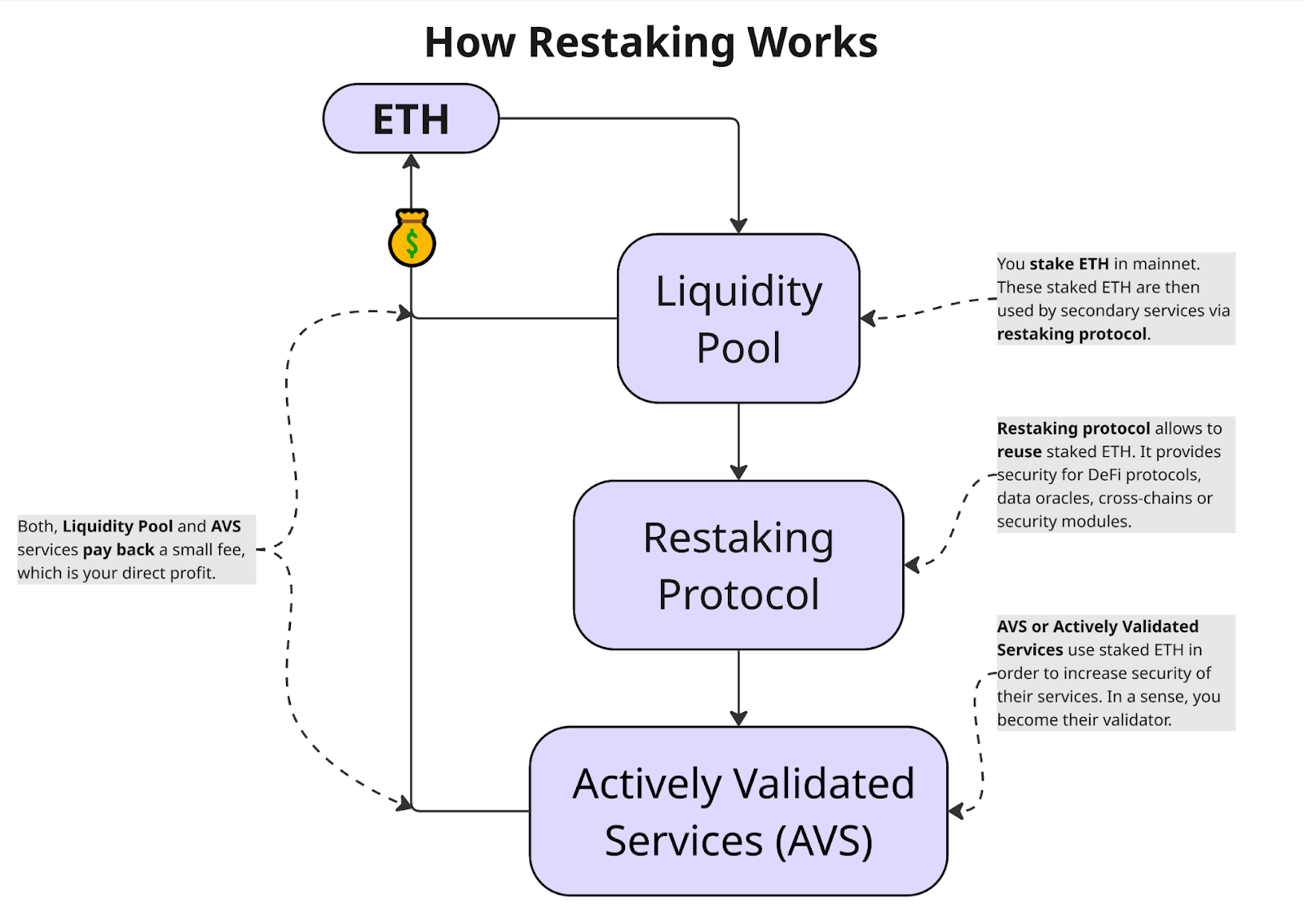
Restaking amplifies yield by reusing staked assets, but it also amplifies risk. If you restake on a secondary chain, check who controls the validator keys. Is it a curated set of trusted operators, or a permissionless network? Permissionless networks offer higher yields but carry higher slashing risks. Look for protocols that offer insurance funds or insurance pools that cover slashing events, ensuring your principal is protected if an operator misbehaves.
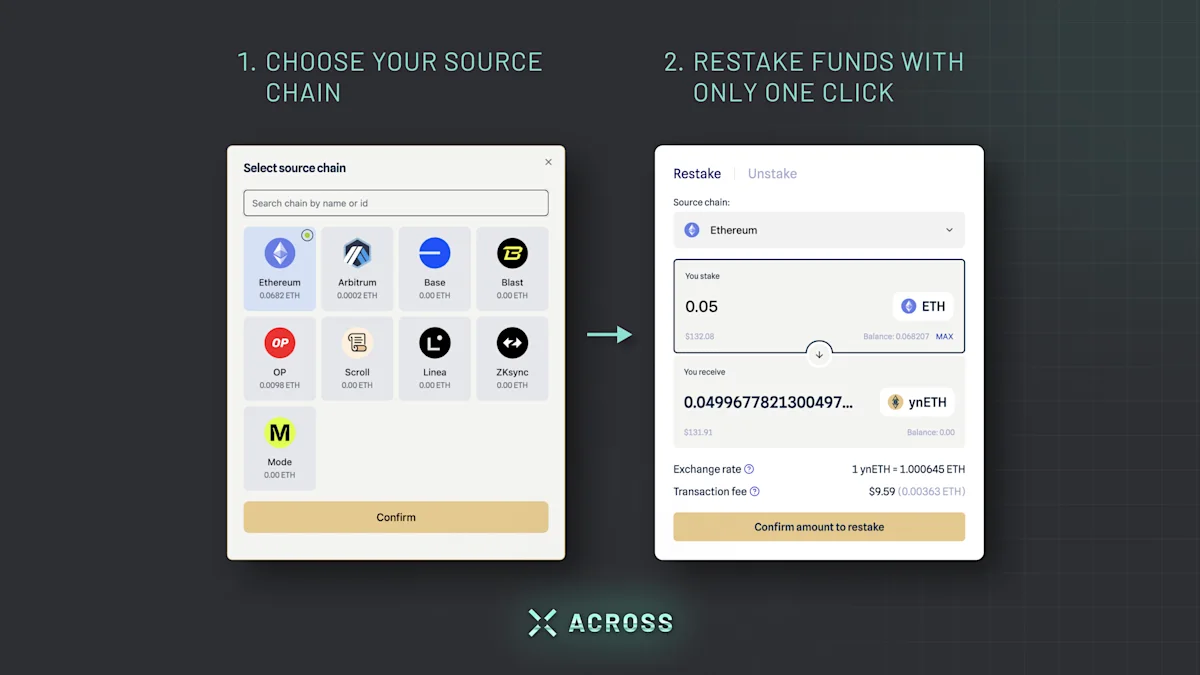
High APYs are often offset by poor liquidity. Before committing capital, check the depth of the liquidity pools on the destination chain. Can you exit your position instantly, or will you face significant slippage? Also, consider the bridge risk. If the protocol relies on a single bridge for cross-chain movement, that bridge becomes a single point of failure. Diversify across protocols that use multiple bridge providers to mitigate this risk.
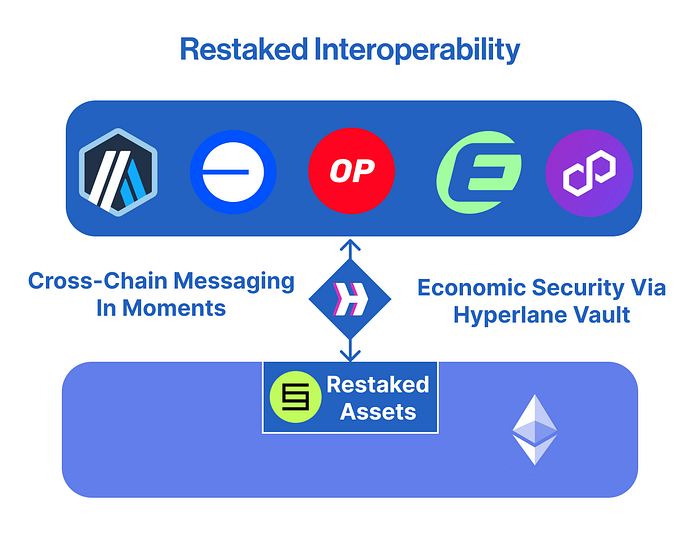
Gross yield is misleading. You must calculate the net yield after accounting for gas fees, bridge fees, and protocol fees. Cross-chain transactions can cost significantly more than native chain transactions. Use a fee calculator to estimate the cost of entry and exit. If the net yield after fees is less than 5-10% above the native chain yield, the additional complexity and risk may not be worth it. Always prioritize protocols that offer fee subsidies or gas tokens to offset these costs.
By focusing on settlement security, validator trust, liquidity depth, and net fees, you can build a cross-chain restaking strategy that maximizes yield without exposing your portfolio to unnecessary technical risks.
Spotting Weak Cross-Chain Restaking Options
Cross-chain restaking promises higher yields by unlocking capital on multiple networks, but the infrastructure is still maturing. Many platforms exaggerate their security models or hide the risks of intent-based routing behind marketing jargon. Before committing funds, you need to verify how rewards are sourced and what happens when bridges fail.
The "Yield" Illusion
Many platforms advertise APYs that seem too good to be true. These numbers often include token incentives that drain quickly or rely on unsustainable subsidy models. A realistic yield comes from actual network fees and restaking rewards, not inflated promotional tokens. If a platform cannot clearly explain where the extra yield comes from, treat it as a red flag.
Bridge and Intent Risks
Cross-chain solutions often use "intents" rather than direct bridges. An intent is a signed request that solvers compete to fulfill. While this can be efficient, it introduces counterparty risk. If the solver network fails or gets exploited, your funds may be stuck or lost. Always check if the protocol has a formalized slashing mechanism or insurance fund for failed settlements.
Security Audits and Transparency
Not all restaking protocols undergo rigorous security audits. Look for platforms with public, third-party audits from reputable firms like OpenZeppelin or Trail of Bits. Avoid projects that only have internal reviews or no audit history at all. Transparency in code and governance is non-negotiable for high-stakes yield strategies.
Conclusion
Cross-chain restaking is not a set-and-forget strategy. It requires active monitoring and a clear understanding of the underlying technology. Stick to platforms with proven track records, transparent yield sources, and robust security measures. Avoid the hype and focus on sustainable, verifiable returns.
Cross-chain restaking 2026: what to check next
Cross-chain restaking lets you stake assets on one chain while securing services on another, unlocking yield from multiple networks simultaneously. While the potential for compounded returns is significant, the architecture introduces complex risk vectors that differ from single-chain staking.
Is cross-chain restaking safe?
Safety depends entirely on the bridge and restaking protocol you choose. Cross-chain bridges remain the most frequent attack surface for DeFi exploits. Restaking adds a layer of smart contract risk, as your staked assets also secure additional services like oracles or messaging protocols. If the underlying service fails or is compromised, your staked capital is often slashed. Always audit the specific contracts interacting with your assets rather than trusting the broader "cross-chain" label.
How much does it cost to restake across chains?
Fees accumulate from three sources: the initial deposit on the source chain, the bridge transfer fee, and the gas required to claim rewards on the destination chain. Intent-based routing, popular in 2026, can reduce some overhead by allowing solvers to compete for the best route, but slippage and bridge fees still eat into yield. Calculate the total cost of carry before committing capital; high-frequency rebalancing across chains can quickly negate APY gains.
Which chains offer the best cross-chain restaking yields?
Ethereum remains the primary hub for restaking due to its deep liquidity and established protocols like EigenLayer. However, Solana and modular Layer 2s offer higher base yields for specific assets to compensate for higher bridge risk. Chainlink’s CCIP now secures many of these cross-chain connections, adding a layer of reliability to oracle and messaging services. Diversifying across these ecosystems can balance risk, but managing keys and transactions across multiple chains requires significant operational effort.
Can I unstake my assets quickly if needed?
Liquidity is the main constraint. Restaked assets are often locked for the duration of the slashing window or the specific service agreement. Cross-chain withdrawals add further delay, as the bridge must verify the exit transaction on the destination chain before releasing funds on the source chain. In volatile markets, this lag can prevent timely exits. Always check the specific unbonding periods and bridge finality times before allocating capital you may need immediately.
No comments yet. Be the first to share your thoughts!