Get cross-chain restaking right
Cross-chain restaking allows you to reuse staked assets across multiple blockchains. This strategy amplifies yield but introduces complexity. Before you move funds, you must understand the mechanics and risks. Restaking involves taking an asset already staked on a blockchain, like Ethereum, and pledging it to secure additional services (AVSs). Cross-chain protocols enable this movement, allowing your capital to work harder. However, bridging assets creates new attack vectors. You need a clear plan to manage these interoperability risks effectively.
Verify bridge security and liquidity
Not all bridges are created equal. Some have suffered major exploits due to smart contract vulnerabilities. Always check the bridge’s audit history and total value locked (TVL). A high TVL often indicates trust, but it also makes the bridge a bigger target. Look for bridges that use multi-signature wallets or decentralized validator sets. Avoid bridges with opaque governance structures. If the bridge lacks transparency, your assets are at risk. Choose established protocols with a proven track record of security.
Assess the restaking protocol’s slashing conditions
Slashing is a penalty for malicious behavior or downtime. In cross-chain restaking, slashing conditions can be complex. You need to know what actions trigger a penalty. Some protocols slash your entire stake for minor infractions. Others have more nuanced rules. Read the protocol’s documentation carefully. Understand the economic incentives and the penalty tiers. If the slashing conditions are unclear, assume the worst. Your capital could be locked or lost if the protocol deems you at fault.
Test with a small amount first
Never move your entire portfolio at once. Start with a small test transaction. This helps you verify the entire flow: staking, bridging, and restaking. Check the transaction fees and the time it takes for assets to arrive. Ensure the receiving wallet or protocol recognizes the bridged assets. If the test succeeds, you can gradually increase the amount. This step catches errors before they become costly mistakes. It also helps you understand the user experience and potential delays.
Monitor positions and update strategies
The crypto landscape changes rapidly. New vulnerabilities are discovered, and protocols are upgraded. Stay informed about the projects you use. Join their community channels for updates. Set up alerts for any security incidents or major changes. Regularly review your positions and adjust your strategy as needed. If a bridge or protocol becomes too risky, move your assets elsewhere. Flexibility is key to managing cross-chain restaking risks.
Walk through the steps
Cross-chain restaking lets you reuse staked assets to secure multiple services across different blockchains. This approach boosts yield but introduces interoperability risks. Follow this sequence to set up your position safely.

Start by selecting a protocol that supports your native chain. Ethereum restaking platforms like EigenLayer are the current standard. Verify that the platform supports the specific blockchain you want to bridge from. If your chain isn't supported, you'll need a separate bridging step later.

Use a trusted bridge to move your assets. Look for bridges with high total value locked (TVL) and a long track record. Avoid new or untested bridges to minimize the risk of smart contract exploits. Check the bridge's fee structure and estimated time for completion.
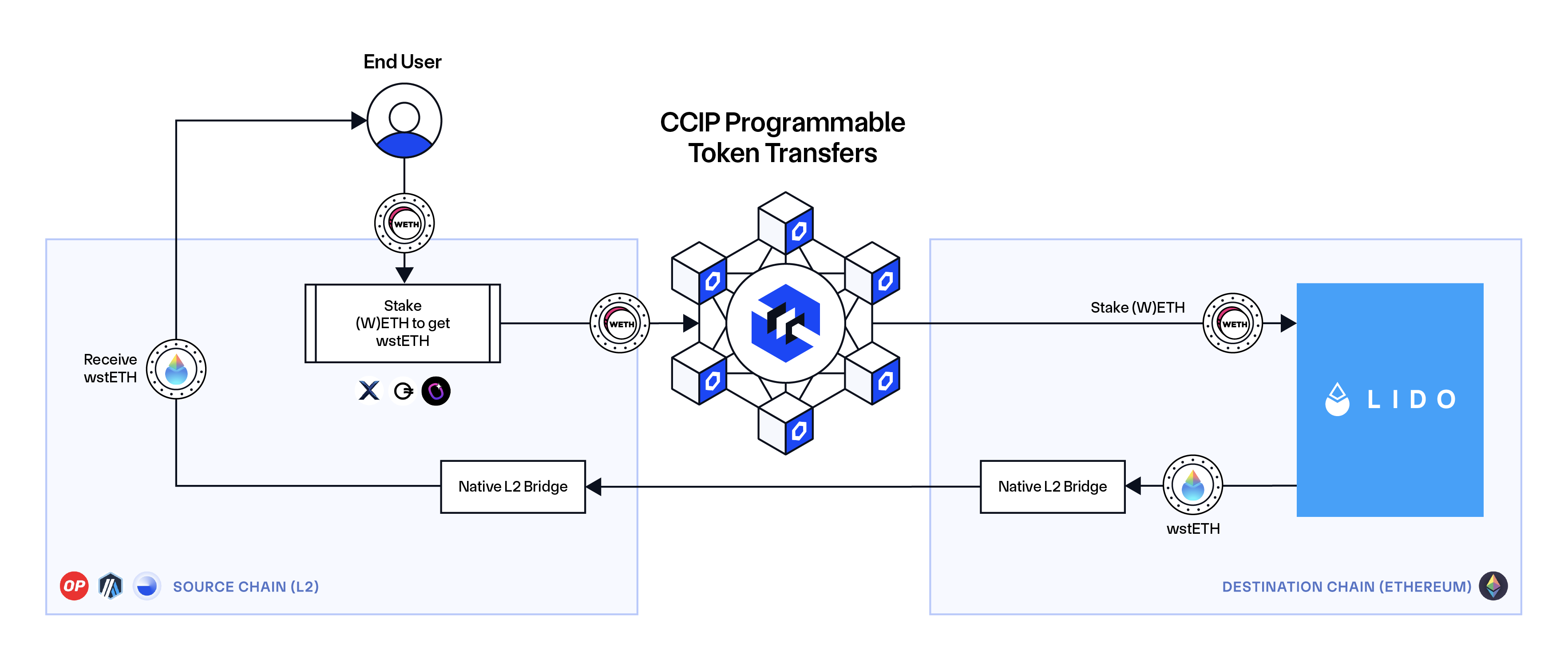
Once your assets are on the target chain, delegate them to an AVS. This service uses your staked capital to provide security or data services. Review the AVS's performance history and fee structure. Ensure the AVS is compatible with your chosen restaking protocol.
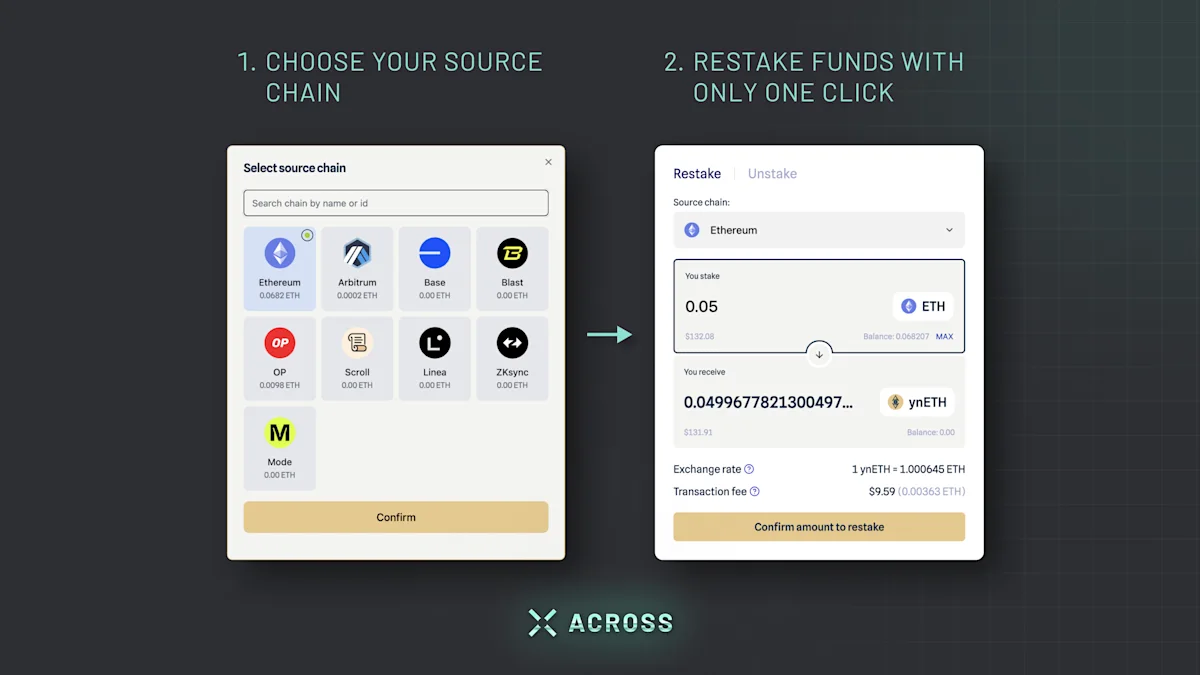
Cross-chain restaking carries unique risks, including bridge failures and slashing events. Set up alerts for your position. Regularly review the health of the bridge and the AVS. Be prepared to withdraw your assets if risks escalate.
Common mistakes in cross-chain restaking
Cross-chain restaking amplifies yield by reusing staked assets across multiple networks, but it also multiplies the points of failure. When you bridge assets to secure different services, you are no longer just trusting one validator set; you are trusting the bridge, the messaging layer, and the new protocol simultaneously. Most losses do not come from smart contract bugs in the primary chain, but from misconfigurations during the setup phase.
The most frequent error is ignoring the finality time of the destination chain. If you restake on a chain with fast finality but weak economic security, you might be exposed to reorgs or slashing conditions you cannot monitor in real time. Always verify the slashable window and the bridge’s exit delay before committing capital.
Another critical mistake is over-concentrating liquidity in a single bridging solution. Relying on one bridge for all cross-chain movements creates a single point of failure. If that bridge is compromised, your restaked assets are trapped or stolen regardless of the underlying protocol’s security. Diversify your bridging paths and keep a portion of your stake on the primary chain as a hedge.
Finally, many users fail to account for the gas costs and slippage of cross-chain swaps. The yield from restaking can be quickly eroded by the friction of moving assets between chains. Calculate the net yield after bridge fees, swap slippage, and gas costs on both the source and destination chains. If the net yield is marginal, the risk may not be worth the effort.
Cross-chain restaking: what to check next
Here are direct answers to common questions about cross-chain restaking, yield, and the tools used to manage it.
No comments yet. Be the first to share your thoughts!