How cross-chain restaking actually works
Cross-chain restaking extends the Ethereum model of pooled security to other networks like Solana or Layer 2s. Instead of locking capital in one place, you pledge staked assets to secure multiple protocols across different blockchains. This creates a unified security layer, allowing a single deposit to earn yield from several sources simultaneously.
The technical hurdle is bridging trust. When you stake on Ethereum, validators are known and accountable. On other chains, the security model often relies on light clients or cross-chain messaging protocols. These intermediaries introduce new attack vectors. If the bridge fails or the validator set is compromised, your staked assets are at risk.
The tradeoffs: Yield vs. Complexity
Cross-chain restaking offers higher potential returns but demands careful scrutiny of the underlying infrastructure. You are not just betting on the protocol's success; you are betting on the security of the bridge connecting it to Ethereum.
| Feature | Native Ethereum Restaking | Cross-Chain Restaking |
|---|---|---|
| Security Model | Ethereum consensus layer | Bridge + Light Client + Target Chain |
| Yield Sources | Ethereum validators + EigenLayer AVSs | Multiple chains + Additional AVSs |
| Complexity | Moderate | High |
| Risk Exposure | Smart contract + Validator slashing | Bridge hacks + Cross-chain failures |
When to use cross-chain restaking
Use this strategy if you seek maximum yield and have the technical capacity to monitor bridge health. It is best for experienced users who understand the nuances of cross-chain messaging. For conservative investors, native Ethereum restaking remains the safer, more predictable option. Always verify the audit status of the bridge and the specific AVSs you are supporting.
Cross-chain restaking choices that change the plan
Cross-chain restaking extends the utility of your staked assets beyond their native chain, allowing you to secure multiple networks simultaneously. While this approach can significantly boost yield, it introduces distinct technical and security variables that single-chain restaking avoids. Understanding these differences is essential before allocating capital across ecosystems like Ethereum, Solana, and various Layer 2s.
The primary tradeoff centers on security scope versus yield potential. Single-chain restaking keeps security confined to one validator set, minimizing attack surfaces. Cross-chain solutions abstract this security across multiple environments, offering higher rewards but exposing your assets to bridge vulnerabilities and complex interoperability failures. The table below breaks down the concrete factors you should evaluate.
| Factor | Single-Chain | Cross-Chain |
|---|---|---|
| Security Scope | Confined to one ecosystem | Abstracted across multiple chains |
| Yield Potential | Moderate, native rewards | Higher, multi-layer rewards |
| Complexity | Low, direct staking | High, bridge dependencies |
| Failure Risk | Validator slashing only | Bridge hacks + slashing |
When evaluating these options, consider the maturity of the bridge technology. Cross-chain restaking protocols often rely on intermediate layers or signature relays to verify state across chains. If a bridge is compromised, your restaked assets are at risk, even if the underlying validator set remains honest. Single-chain restaking eliminates this layer of uncertainty, making it preferable for risk-averse capital.
The decision ultimately depends on your risk tolerance and yield targets. If you prioritize capital preservation, single-chain restaking offers a simpler, more transparent security model. For those seeking maximum yield and willing to audit bridge security, cross-chain restaking provides access to deeper liquidity pools and additional reward streams. Always verify the specific smart contract risks associated with each protocol before committing funds.
How to choose a cross-chain restaking strategy
Cross-chain restaking lets you extend Ethereum staked assets to secure services on Solana, L2s, and other networks. This approach can boost yield, but it introduces new risks around bridge security and interoperability protocols. The right strategy depends on your risk tolerance and the specific services you need to support.
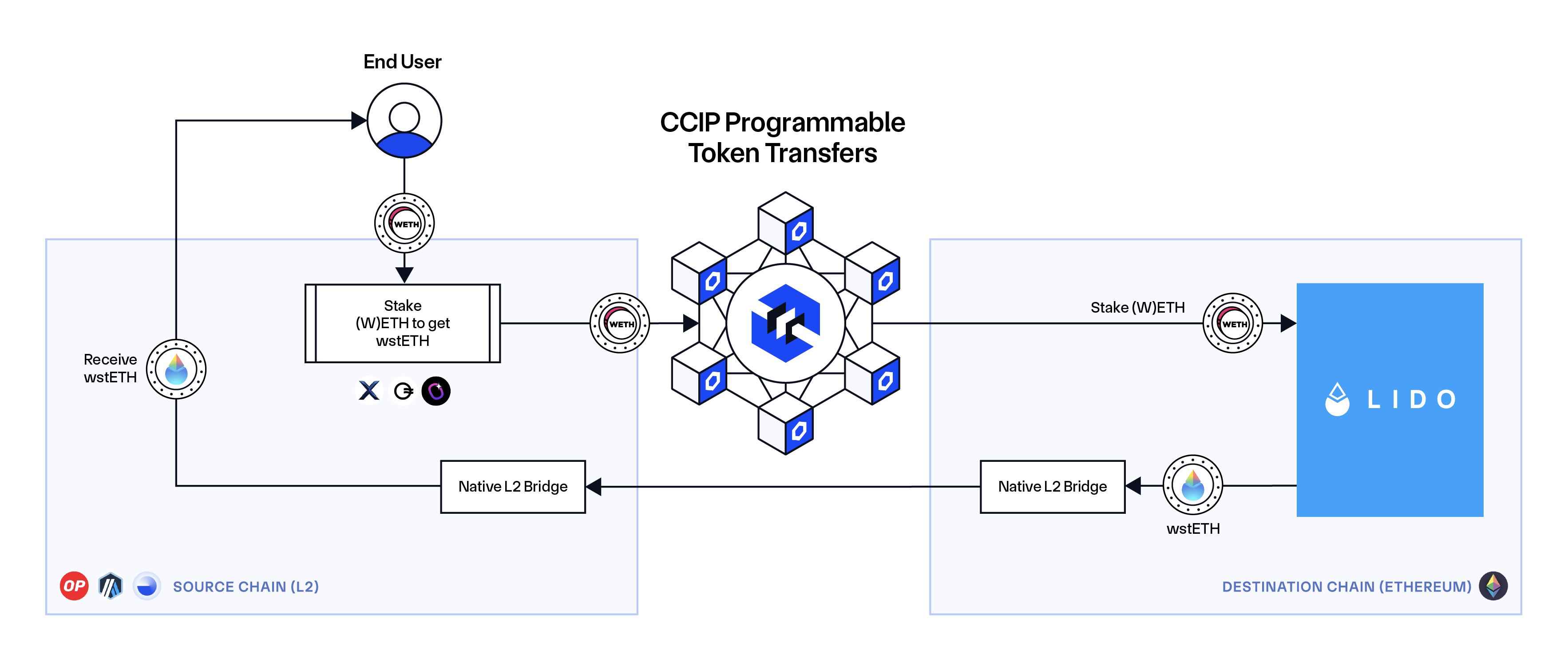
Start by determining how much risk you are willing to accept. Native Ethereum restaking (EigenLayer) offers the highest security because it relies on Ethereum's consensus layer. Cross-chain options introduce bridge risks and potential smart contract vulnerabilities in the interoperability layer. If capital preservation is your priority, stick to native chains. If you need higher yields, cross-chain solutions offer more opportunities but require careful due diligence.
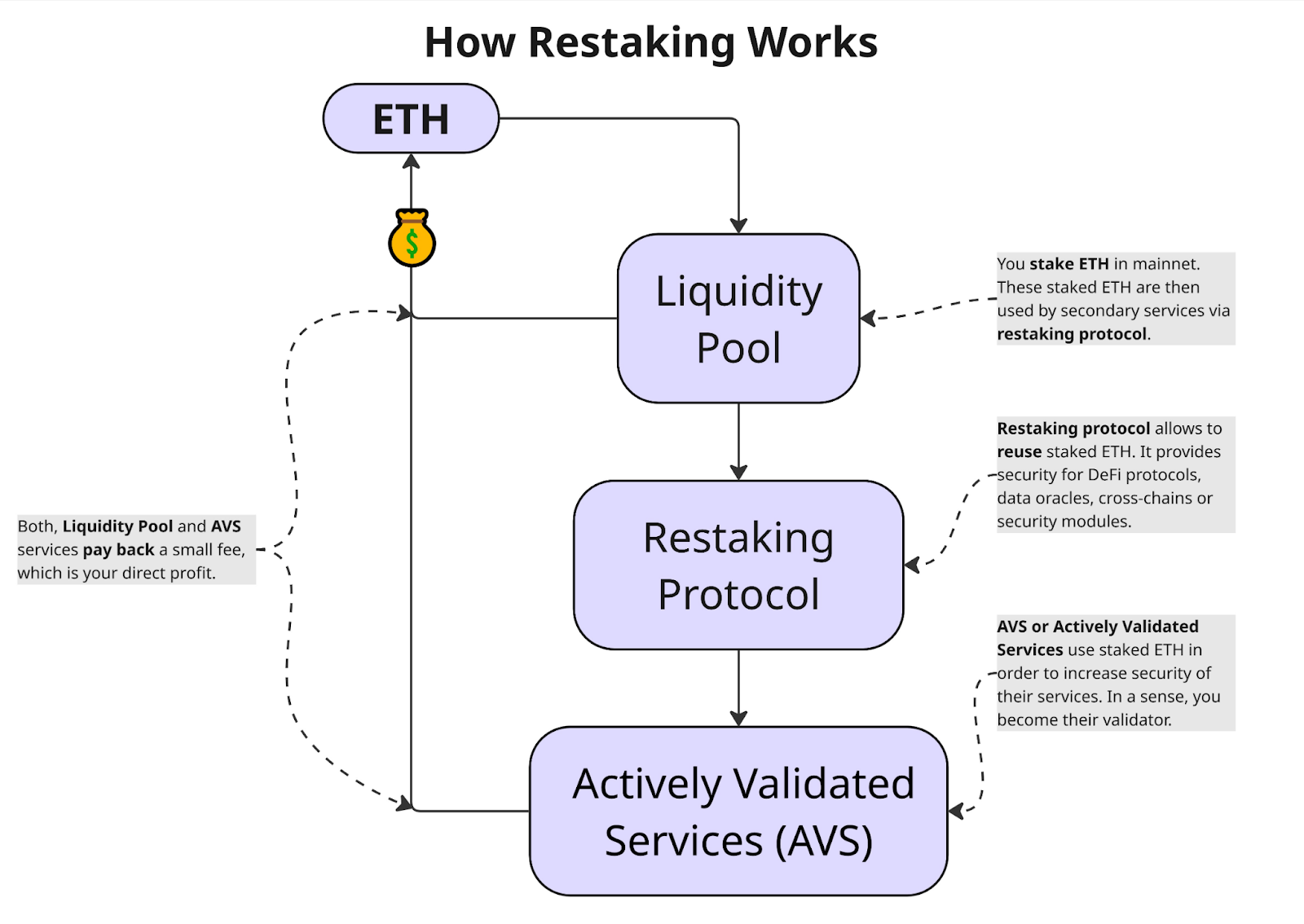
Use a comparison table to evaluate the tradeoffs between different chains and protocols. Look at the base yield, the security model, and the liquidity depth. For example, restaking on an L2 might offer lower fees but less decentralization. Restaking on Solana via Chain Signatures (Allstake) provides cross-chain utility but relies on a different consensus model. Ensure the yield premium justifies the additional complexity and risk.
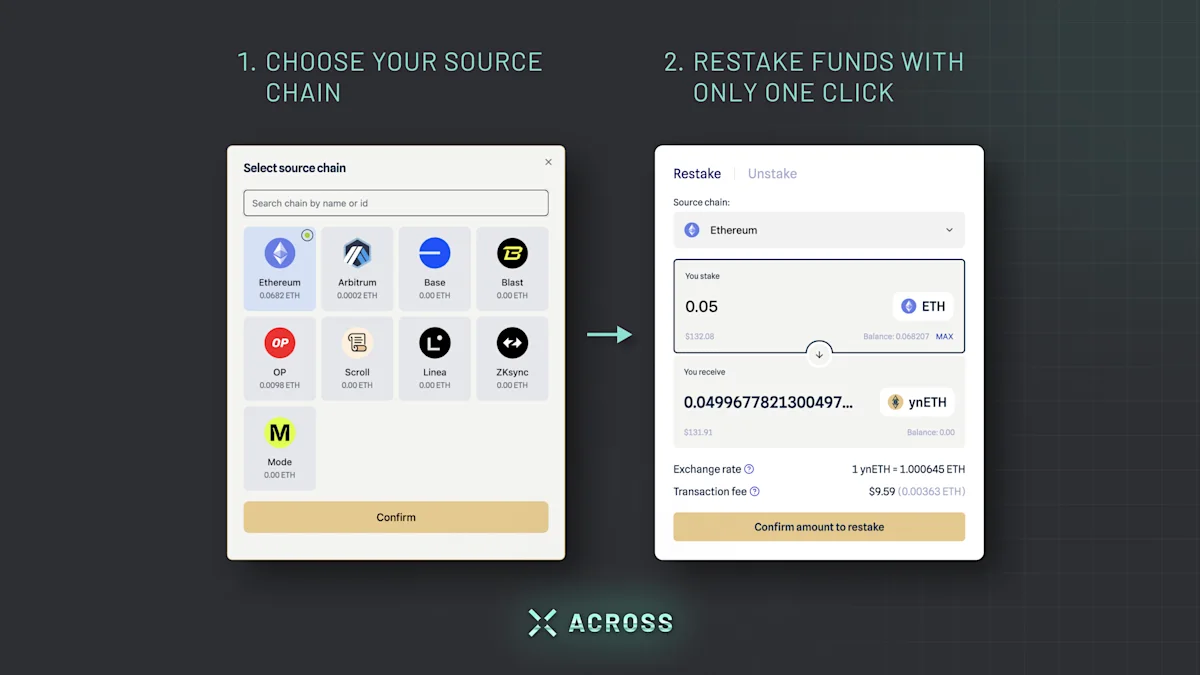
Check the security model of the cross-chain bridge or messaging protocol. Is it permissioned or permissionless? Does it use optimistic verification or zero-knowledge proofs? Protocols like Celer cBridge or LayerZero have different security assumptions. Understand the failure modes: if the bridge is compromised, can you exit your position? Always prioritize protocols with a proven track record and significant total value locked (TVL) as a signal of community trust.
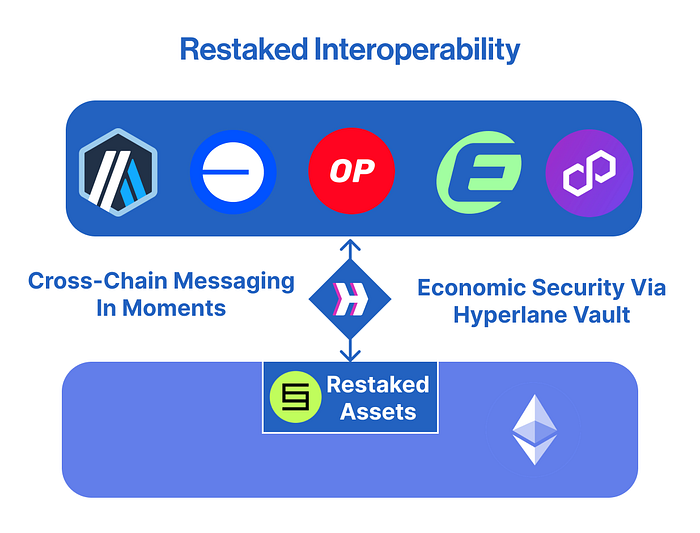
Avoid putting all your staked assets on a single chain or protocol. Spread your exposure across Ethereum, Solana, and high-quality L2s. This diversification reduces the impact of a single-point failure. Additionally, vary the services you are securing (e.g., oracles, sequencers, AI networks) to avoid concentration risk in the underlying demand for restaked security.
Cross-Chain Restaking Watchouts
Restaking amplifies yield by reusing staked assets to secure new networks, but the cross-chain leap introduces specific failure modes that often get glossed over in marketing materials. The core risk is not just smart contract bugs, but the structural fragility of the bridges and interoperability layers that connect Ethereum, Solana, and various L2s.
When evaluating any cross-chain restaking protocol, scrutinize the security model of the bridge. Many solutions rely on optimistic verification or multi-sig signers, creating a single point of failure. If the bridge fails, your restaked assets are trapped or lost, regardless of the underlying asset's performance. Always check if the protocol offers slashing protection across chains; without it, a validator misbehaving on a secondary chain could jeopardize your primary Ethereum stake.
Be wary of "yield" figures that ignore the cost of bridging and the volatility of the secondary chain's native token. A 10% APY on a new L2 might look attractive until you account for the 2% bridge fee and the 5% drop in the L2's token price. Compare the net risk-adjusted return, not the gross APY displayed on the dashboard.
The most critical check is the liquid restaking token (LRT) liquidity. If you need to exit a position during a market stress event, thin liquidity on cross-chain bridges can lead to massive slippage or complete inability to withdraw. Stick to protocols with deep, audited liquidity pools and transparent emergency withdrawal mechanisms.
Cross-chain restaking: what to check next
Cross-chain restaking lets you reuse staked assets to secure multiple networks simultaneously. Instead of locking capital on just one chain, you extend your validator’s security footprint to other ecosystems, often earning higher yields in return.
Is cross-chain restaking safe?
It carries higher risk than single-chain staking. Security depends on the bridge and oracle technology connecting the chains. If a bridge is compromised or an oracle fails, your staked assets could be at risk. Always audit the specific protocol’s security model before depositing.
Which chains support cross-chain restaking?
Ethereum remains the primary hub, with L2s like Arbitrum and Base extending its security. Solana and Cosmos are also integrating restaking capabilities through bridges or native protocols. Check if your preferred chain has active, audited restaking partnerships.
How do I compare restaking yields?
Yields vary by chain demand and protocol incentives. Compare the base staking rate against the additional AVS (Actively Validated Service) rewards. Factor in bridge fees and potential slashing risks to calculate your net expected return.
Can I unstake my assets anytime?
No. Most cross-chain restaking contracts have lock-up periods. Unstaking often requires waiting for a specific window to pass, which can take days or weeks. Plan your liquidity needs accordingly before committing funds.
No comments yet. Be the first to share your thoughts!