What cross-chain restaking actually does
Cross-chain restaking takes staked ETH—or liquid staking tokens (LSTs) like stETH—and pledges them to secure external services called Actively Validated Services (AVSs) across different blockchains. This mechanism turns your staked capital into a multi-chain security resource rather than just a yield-generating asset. You are no longer just validating Ethereum; you are providing cryptographic proof and validation power to other networks.
The process involves bridging your staked assets to a restaking protocol, such as EigenLayer, which then distributes your security credits to various AVSs. These services might include cross-chain bridges, oracle networks, or decentralized storage systems. By securing these services, you help maintain the integrity and availability of the broader decentralized ecosystem.
This approach differs fundamentally from simple liquid staking. In liquid staking, your primary role is to support the security of the base layer. In cross-chain restaking, you extend that security posture. Your ETH acts as collateral for the trust assumptions of these external services. If an AVS fails or behaves maliciously, and your validator signs off on the error, you face slashing penalties. This makes cross-chain restaking a high-stakes commitment to network integrity, not a passive income strategy.
Choose your restaking layer and bridge
Selecting the right protocol requires balancing yield potential against the complexity of the bridging infrastructure. Cross-chain restaking introduces compounded risks: you are exposing assets to the slashing conditions of the base restaking protocol, the underlying AVSs, and the bridge itself. If any link in this chain fails, your capital is at risk. Therefore, prioritize protocols with audited, battle-tested bridges over those offering the highest theoretical yields.
The decision splits into two parts: the restaking layer that generates the yield and the bridge that moves the assets. Major protocols like EigenLayer, Renzo, and Kernel operate on different chains, and their bridge dependencies vary significantly. Some rely on centralized intermediaries, while others use decentralized messaging layers. Understanding this distinction is critical for security.
The table above highlights how bridge dependency shifts the risk profile. Native restaking on Ethereum (EigenLayer) eliminates bridge risk but limits you to the Ethereum ecosystem. Cross-chain solutions like Renzo or Kernel expand your options but introduce bridge-specific vulnerabilities. Always verify the bridge's audit history and economic security model before committing funds.

Once you have selected a protocol, you must execute the bridge transaction carefully. Use official documentation from providers like Celer IM or Chainlink CCIP to ensure you are interacting with the correct contracts. Avoid third-party aggregators unless they are explicitly endorsed by the protocol, as they may introduce additional smart contract risk or hidden fees. The goal is to move assets securely, not quickly.
Step 1: Prepare your liquid staking token
Before initiating any cross-chain restaking protocol, you must hold a liquid staking token (LST) that is natively supported by your target vault. LSTs like stETH or rETH represent staked Ethereum and offer the liquidity required to move value across different networks. This step is not about yield chasing; it is about establishing a secure, compatible base asset that can withstand the compounded risks of cross-chain validation.
Acquire and stake ETH
Begin by acquiring ETH on a major Layer 1 network, typically Ethereum mainnet. Deposit this ETH into a reputable liquid staking provider to mint your LST. Ensure the provider you choose has a strong audit history, as this is your first line of defense. The resulting LST will serve as the collateral for your restaking position. Always verify the token contract address directly from the provider’s official documentation to avoid phishing sites.
Verify LST compatibility
Not all LSTs are accepted by every cross-chain restaking protocol. Review the official documentation of the vault you intend to use to confirm which LSTs are whitelisted. For example, some protocols may only accept native Ethereum LSTs, while others support wrapped versions from specific bridges. Holding an incompatible token will result in failed transactions and potential loss of gas fees. Check the vault’s supported assets list before proceeding.
Confirm balance and network readiness
Once you have your LST, verify that the balance is visible in your wallet on the source chain. Ensure you have enough native gas tokens (ETH) to cover transaction fees for the upcoming bridge and restaking steps. Cross-chain operations require multiple transactions, so underfunding your wallet for gas will halt the process. Double-check that your wallet is connected to the correct network and that the LST balance is sufficient for the minimum restaking threshold set by the protocol.
Bridge assets to the target chain
Bridging your liquid staking token (LST) is the most fragile phase of cross-chain restaking. A failed bridge or a mismatched asset standard can result in permanent loss or an inability to restake. You must move the LST from your source chain to the destination chain using a trusted messaging layer like Chainlink CCIP or Celer IM.
Select a trusted cross-chain messaging layer
Do not rely on generic aggregators for high-value LSTs. Use infrastructure providers with formal security audits and active monitoring. Chainlink CCIP and Celer IM are designed specifically for secure asset transfer between chains. These protocols verify the burn on the source chain before minting or releasing the asset on the destination chain.
Approve and execute the bridge transaction
Connect your wallet to the official bridge interface. Ensure you are on the verified domain of the protocol. Select your source chain (e.g., Ethereum) and destination chain (e.g., Arbitrum or Optimism). Input the exact amount of LST you intend to restake. Review the gas fees and bridge fees carefully. Confirm the transaction to initiate the cross-chain transfer.
Wait for finality and verify receipt
Cross-chain transfers require block finality on both ends. This process can take anywhere from a few minutes to several hours depending on the chains involved. Do not assume the transfer is complete until you see the LST balance update on your destination chain wallet. Verify the token address matches the native LST on that chain to avoid interacting with a malicious contract.
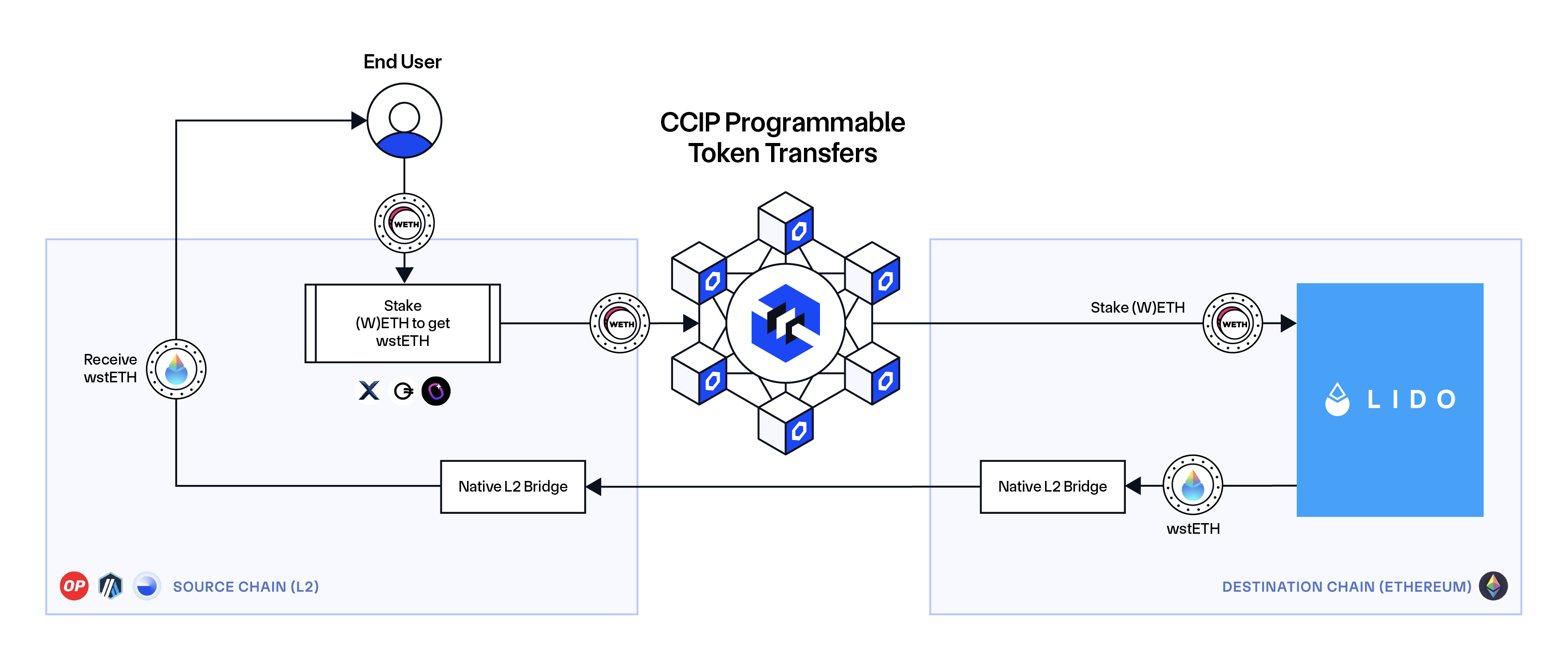
Navigate to the official documentation of your chosen messaging layer, such as Chainlink or Celer. Connect your wallet to the live bridge interface. Double-check the URL to ensure you are not on a phishing site.
Select your current chain as the source and the target chain as the destination. Ensure the target chain supports the specific LST you are bridging. Incorrect chain selection will result in failed transactions or lost funds.
Approve the bridge contract to spend your LST if required. Enter the amount to bridge. Review the total cost, including gas and bridge fees. Confirm the transaction and wait for the source chain block to finalize.
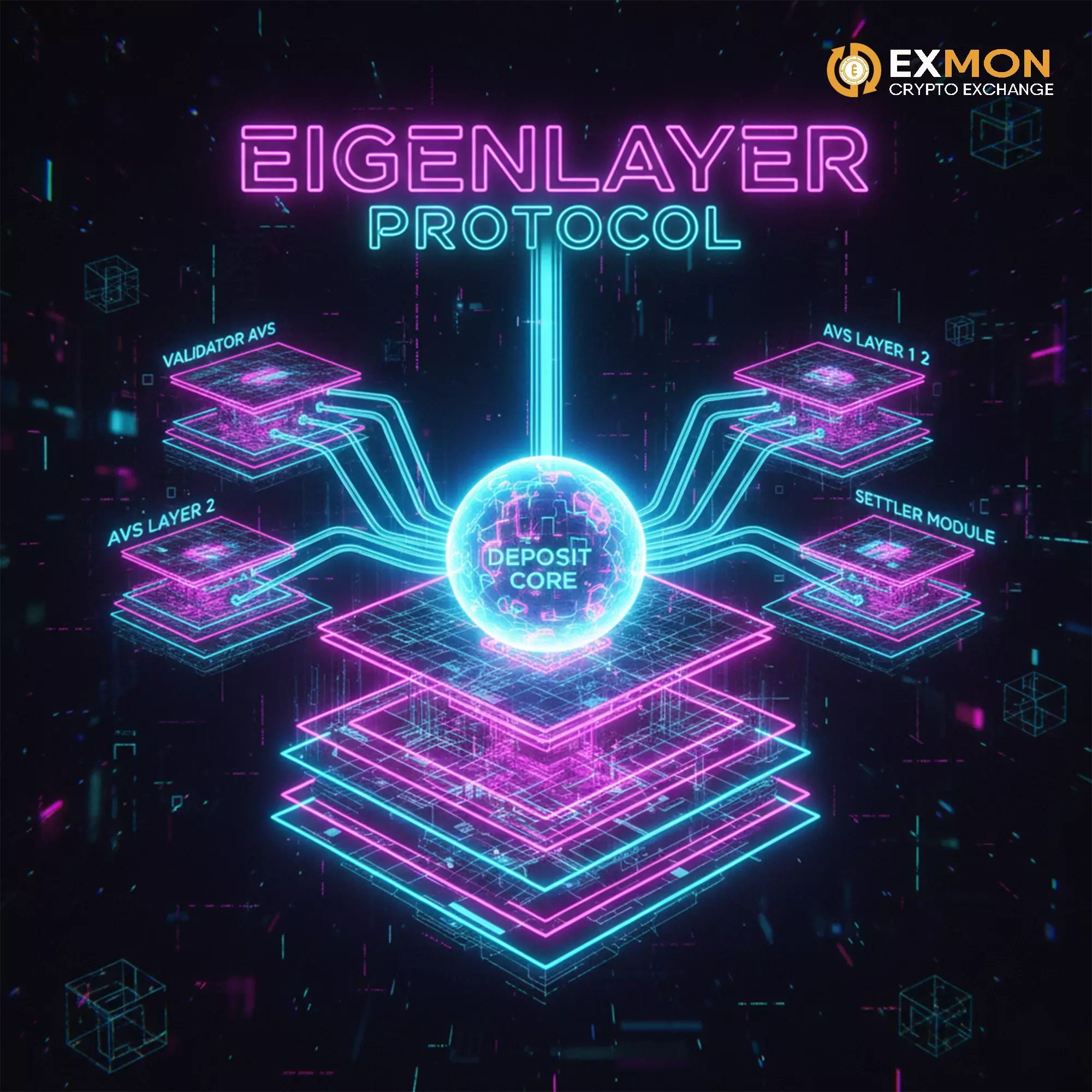
Wait for the messaging layer to relay the proof to the destination chain. Check your wallet balance on the new chain. Verify the token contract address matches the official LST to ensure you are holding the correct asset.
Deposit into the restaking vault
With your liquid staking token (LST) bridged to the target chain, the final step is to lock it into a restaking vault. This action mints your restaked token (such as ezETH or kETH) and begins the process of securing an AVS. Because cross-chain restaking compounds risk, treat this deposit as a permanent commitment to the security parameters of the chosen protocol.
1. Connect and Verify Your Wallet
Open the official interface of your chosen restaking protocol, such as EigenCloud or Allstake. Connect your wallet and ensure you are on the correct network where you bridged your LST. Verify that the protocol supports the specific token you hold; not all vaults accept every bridged LST variant.
2. Select the Target AVS
Browse the available Actively Validated Services. Each AVS has distinct slashing conditions and reward structures. Read the official documentation to understand the specific security obligations. Choosing an AVS with complex or unfamiliar slashing risks can lead to significant losses if the service fails.
3. Approve and Deposit
Enter the amount of bridged LST you wish to restake. The interface will first prompt you to approve the token spend. After approval, execute the deposit transaction. This action locks your LST and mints your restaked receipt token. Keep a record of the transaction hash for future audits or withdrawal checks.
Manage slashing risk and exit conditions
Cross-chain restaking amplifies the stakes of validator performance. When you restake assets across multiple chains, your capital secures several AVSs simultaneously. This creates compounded risk: a single failure or malicious act on one AVS can trigger slashing conditions that impact your entire restaked position across all chains.
Slashing on one AVS can impact your entire restaked position. Always audit the AVS's security model and understand how penalty propagation works before committing capital.
The exit process is equally complex. Unlike standard liquid staking, where unbonding periods are often standardized, cross-chain restaking involves coordinating exit windows across different consensus layers. You must account for the unbonding period of the base layer (e.g., Ethereum) plus any additional exit delays imposed by the AVS or bridge infrastructure.
To manage this effectively, monitor the specific slashing policies of each AVS you participate in. Some AVSs may have grace periods or partial slashing mechanisms, while others enforce full penalties. Understanding these nuances allows you to structure your exposure and maintain liquidity buffers for timely exits when necessary.
Checklist for safe cross-chain restaking
Before locking capital, verify the security posture of every layer in your transaction. Cross-chain restaking compounds risk; a vulnerability in a bridge or an AVS can lead to total loss.
-
Verify contract audits: Ensure the AVS and restaking protocol have undergone recent, reputable third-party security audits. Check for any open or unresolved issues.
-
Confirm bridge security: Use trusted, high-liquidity bridges. Verify the bridge's historical uptime and slashing history to avoid intermediaries with poor security records.
-
Check unbonding periods: Understand the lock-up duration for your assets. Ensure you have enough liquidity outside of restaking to cover potential unbonding delays.
-
Review AVS slashing history: Investigate the track record of the AVS. Look for any past slashing events or security breaches that could indicate systemic risk.

Frequently asked questions about cross-chain restaking
What is restaking?
Restaking allows you to use Ethereum already staked as ETH to secure additional decentralized services, known as Actively Validated Services (AVSs). Instead of locking capital in a single layer, you pledge existing staked positions to validate new networks, earning extra rewards on top of your base staking yield [1].
What is the difference between restaking and liquid staking?
Liquid staking involves standard smart contract risk and base-layer slashing penalties. Liquid restaking introduces compounded risk because your assets secure multiple external services simultaneously. If one AVS fails, your staked ETH is exposed to that specific service’s slashing conditions, potentially leading to greater losses than standard staking [2].
What is a cross-chain protocol in this context?
A cross-chain protocol enables the movement of assets like USDC or staked tokens between different blockchains. For example, the Cross-Chain Transfer Protocol (CCTP) allows native burning and minting, effectively teleporting assets across chains without relying on wrapped versions [3]. This infrastructure is essential for executing restaking operations across multiple networks safely.
No comments yet. Be the first to share your thoughts!