The cross-chain restaking landscape in 2026
Restaking on Ethereum mainnet alone is no longer enough. While EigenLayer secured billions by letting stakers delegate their security to new protocols, that value stayed trapped on one chain. Cross-chain restaking changes the rules by moving that security—and the yield it generates—across multiple networks.
The problem with native Ethereum restaking is efficiency. Most yield opportunities live elsewhere, in ecosystems like Solana, Cosmos, or Layer 2s. Without cross-chain infrastructure, a staker’s assets sit idle on Ethereum while other chains offer higher returns. This fragmentation forces a choice between security and yield.
LayerZero solves this by acting as the messaging layer that connects these isolated chains. It allows a single security deposit on Ethereum to verify transactions on distant networks. This creates a unified security market where capital flows to where it is most needed.
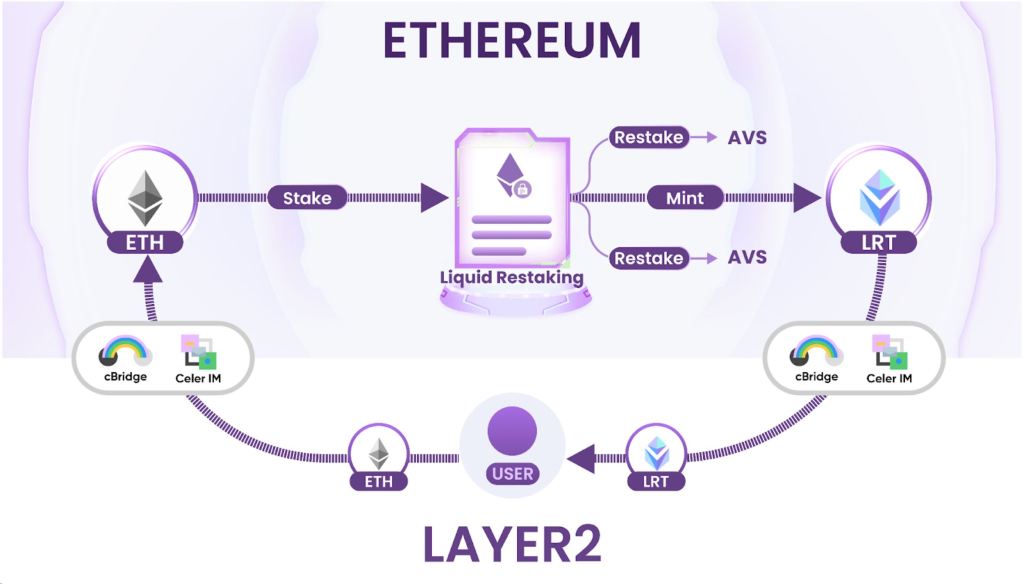

This model turns Ethereum’s security into a global commodity. Protocols on other chains can now "rent" Ethereum-grade security instead of building their own from scratch. For stakers, it means one deposit can generate yield across a web of interconnected networks.
| Feature | Native Restaking | Cross-Chain Restaking |
|---|---|---|
| Reach | Ethereum only | Multi-chain |
| Yield Sources | Limited local options | Global ecosystem |
| Security Model | Single-chain isolation | Unified security layer |
The result is a more efficient capital market. Security is no longer bound by geography or chain-specific limitations. As interoperability improves, this unified model will likely become the standard for securing decentralized finance.
Comparing Cross-Chain Restaking Protocols
Cross-chain restaking requires bridging Ethereum staked assets to other networks without sacrificing the security guarantees of the original validator. The leading protocols achieve this through different technical architectures, each offering distinct trade-offs in speed, cost, and risk.
The table below compares the primary mechanisms used by Everclear, EigenLayer, and LayerZero to facilitate this interoperability.
| Protocol | Security Model | Supported Chains | Yield Source |
|---|---|---|---|
| Everclear | Intent-based relayer network | Ethereum L2s, L1s, Solana | Restaked ETH + intent fees |
| EigenLayer | Slashing contracts on Ethereum | Ethereum mainnet (native), bridged via ZK | AVS operator fees |
| LayerZero | Ultra Light Nodes (ULN) | 50+ chains via Omnichain messaging | Bridge fees + staking rewards |
Everclear operates as an intent-based layer, allowing users to submit restaking intents that are fulfilled by a decentralized network of relayers. This approach decouples the execution layer from the security layer, enabling restaking on non-EVM chains like Solana while maintaining Ethereum-level security. For developers, Everclear provides the SDKs and documentation needed to integrate this cross-chain capability directly into their applications.
EigenLayer remains the foundational security layer, offering native restaking on Ethereum mainnet. While it does not natively support cross-chain execution, its security is often bridged to other chains using zero-knowledge proofs or intent-based systems like Everclear. This creates a hybrid model where EigenLayer provides the underlying security, and cross-chain protocols handle the asset movement.
LayerZero facilitates the underlying messaging infrastructure that many of these protocols rely on. Its Ultra Light Node (ULN) architecture allows for trustless communication between chains, which is critical for verifying restaking proofs across different networks. LayerZero does not provide restaking itself but enables the interoperability that makes cross-chain restaking possible.
When choosing a protocol, consider the trade-off between native security and cross-chain flexibility. EigenLayer offers the deepest liquidity and most established security model but is limited to Ethereum. Everclear and LayerZero-based solutions offer broader chain support but may introduce additional complexity in the verification process.
How to execute cross-chain restaking workflows
Cross-chain restaking requires moving assets from a primary chain like Ethereum to a secondary chain to stake into an Actively Validated Service (AVS). This process leverages LayerZero for messaging and bridging, allowing you to earn yield on assets that are already restaked. The workflow involves depositing, bridging, and verifying the stake across networks.
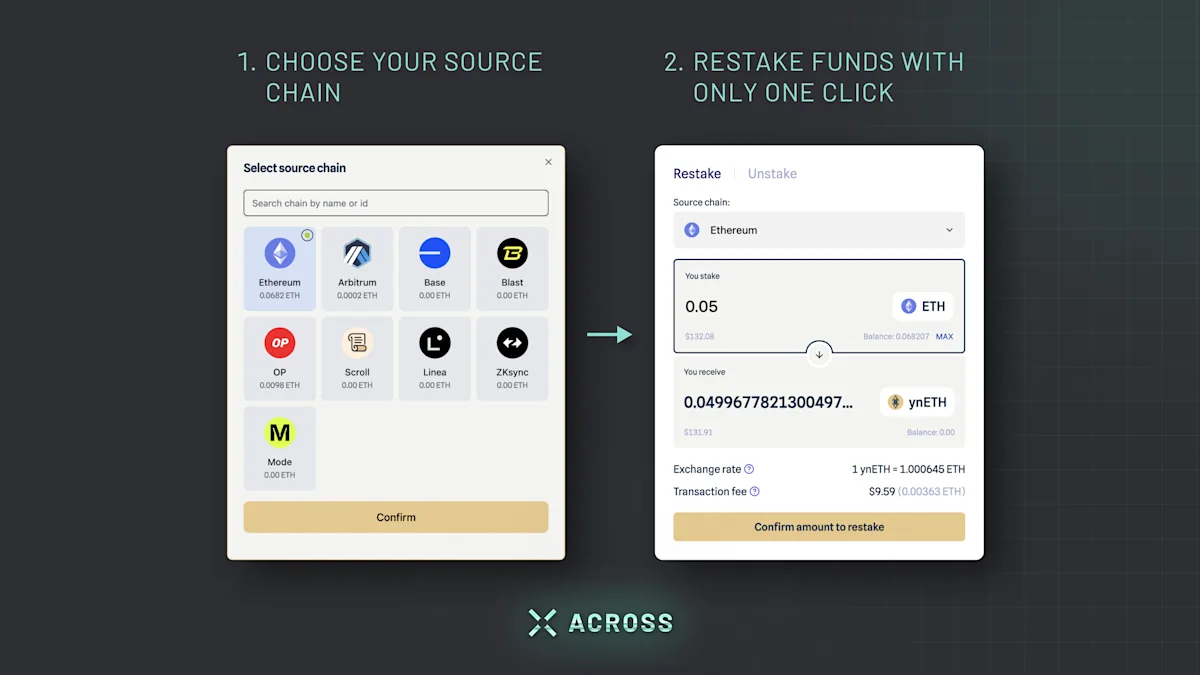
Start by depositing your native assets, such as ETH or liquid staking tokens (LSTs), into the EigenLayer smart contracts on Ethereum. This initial deposit creates your restaking position and generates EigenLayer points. Ensure you have sufficient gas for the transaction and verify that the assets are eligible for the specific AVS you intend to join.
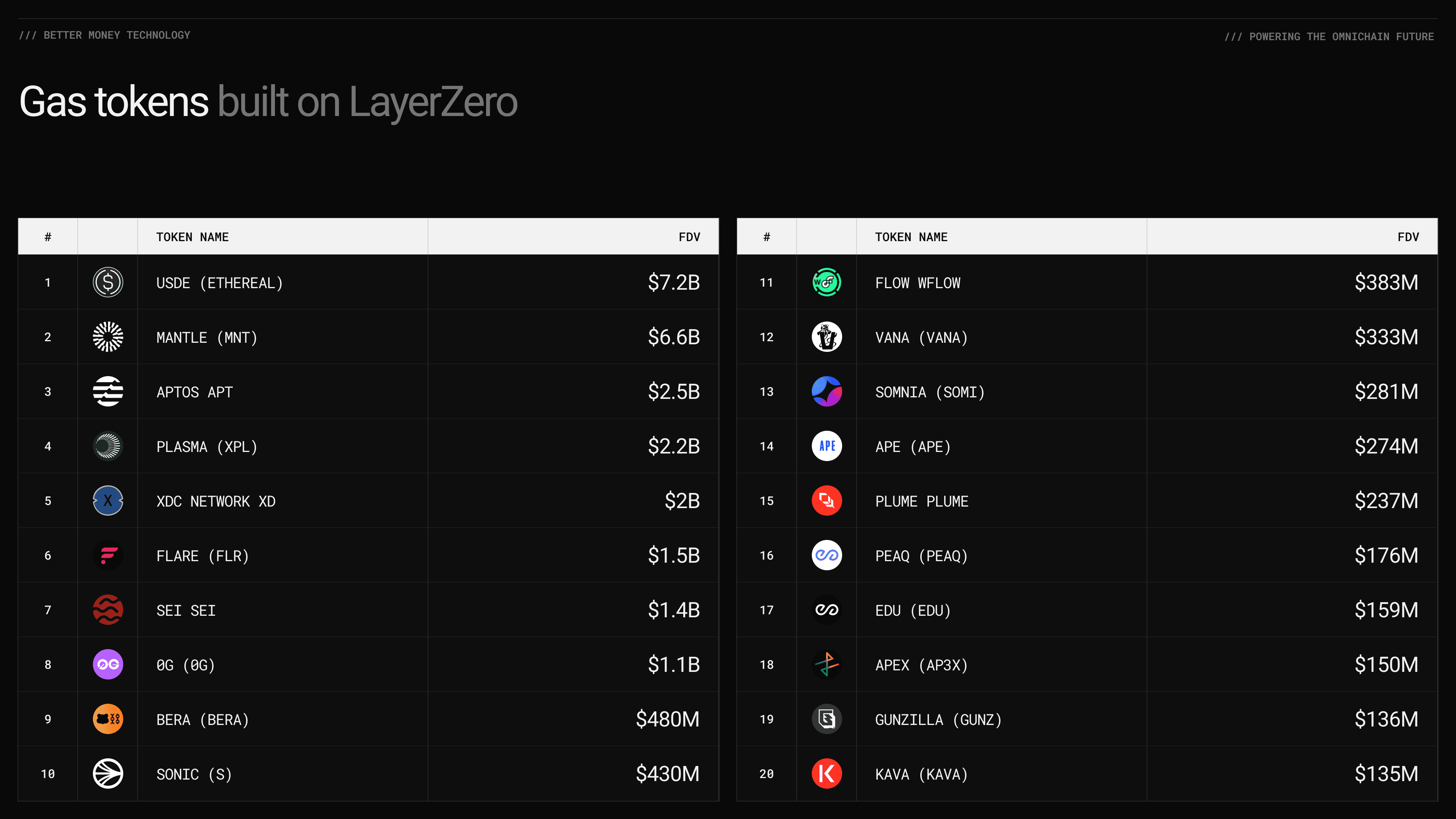
Use a LayerZero-enabled bridge to move your staked assets to the secondary chain where the AVS operates. LayerZero facilitates this by transmitting the proof of your stake from Ethereum to the destination chain. Select a bridge that supports the specific token you are bridging, such as stETH or rETH, to ensure compatibility with the AVS smart contracts on the target network.
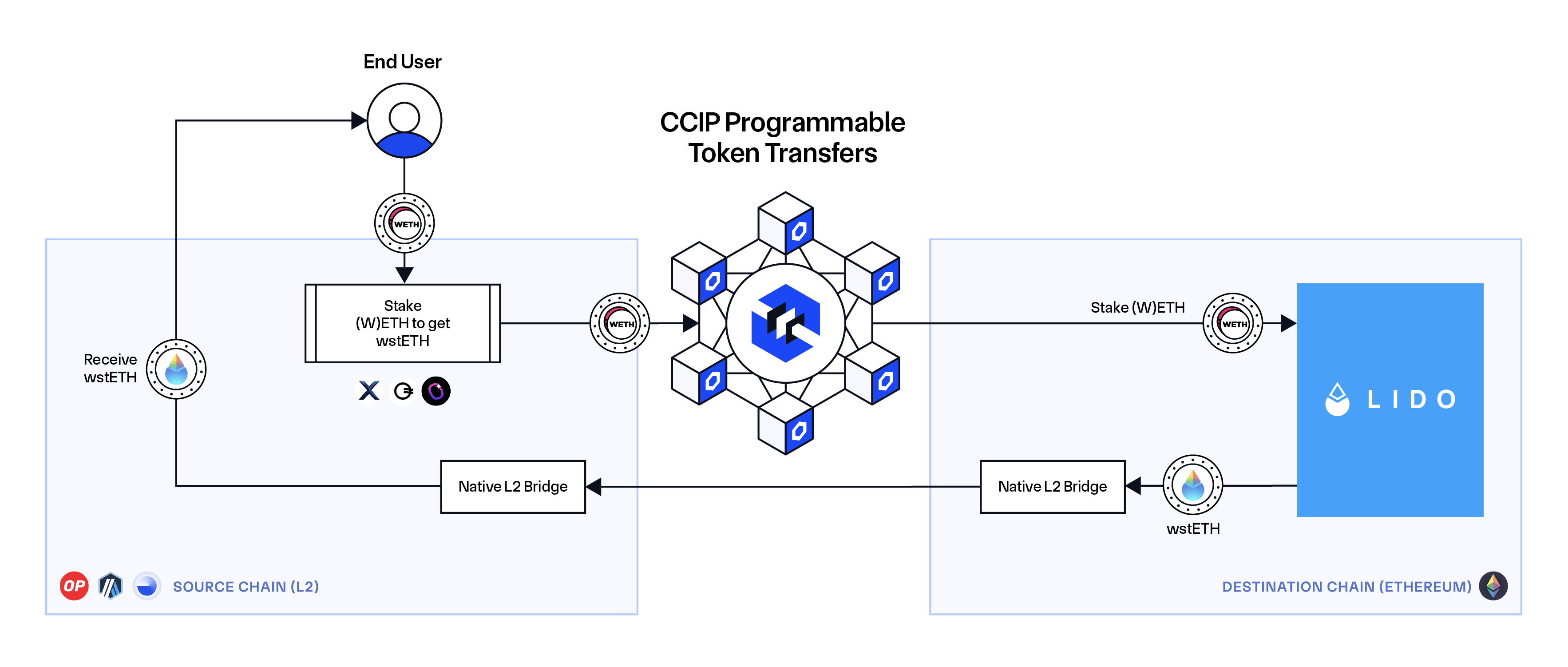
Once the assets arrive on the secondary chain, interact with the AVS smart contract to register your operator and stake the bridged assets. The AVS contract verifies the LayerZero message to confirm that your stake is secured on Ethereum. After registration, your node begins performing the required tasks, and you start earning yield from the AVS rewards distributed on the secondary chain.
Risks in cross-chain restaking strategies
Cross-chain restaking amplifies yield potential by connecting EigenLayer protocols with LayerZero interoperability, but it also multiplies the attack surface. When you stake assets across multiple networks, you are no longer relying on a single chain’s security model. Instead, you are trusting a complex web of smart contracts, message passing protocols, and bridge mechanisms to function correctly. If any link in that chain fails, the entire position is at risk.
Bridge and Interoperability Vulnerabilities
The most immediate threat in cross-chain strategies lies in the bridges that facilitate asset movement. Bridges are high-value targets for attackers because they often hold large pools of locked liquidity. A successful exploit on a bridge can drain funds before the restaking protocol even registers the deposit. LayerZero’s messaging layer is generally secure, but the contracts that interpret these messages can have flaws. If a validator set is compromised or a message is replayed incorrectly, assets can be stolen or frozen. Always verify that the bridge you are using has undergone rigorous third-party audits and has a long track record of stability.
Smart Contract Complexity and Slashing
Restaking introduces the risk of slashing, where validators lose their stake for misbehavior. In a cross-chain environment, determining who is at fault becomes difficult. If a validator on Ethereum misbehaves, does the penalty apply to their assets staked on a different chain via LayerZero? The logic for cross-chain slashing is still evolving and can be ambiguous. Also, the smart contracts managing these cross-chain positions are more complex than standard single-chain staking. More code means more potential bugs. A vulnerability in the EigenLayer contract or the LayerZero endpoint could lead to a total loss of capital. It is essential to understand the specific slashing conditions of the protocol you are using and ensure they are clearly defined across all connected chains.
Market and Liquidity Risks
Beyond technical exploits, cross-chain restaking faces liquidity fragmentation. Assets locked in restaking contracts are often illiquid. If you need to exit a position quickly during a market crash, you may not find buyers on the secondary market. Additionally, price volatility on one chain can affect the value of assets on another due to bridge delays or oracle inaccuracies. This disconnect can lead to impermanent loss or unexpected liquidation events. Diversifying across different chains and protocols can help mitigate these risks, but it also increases the complexity of managing your portfolio. Always keep a portion of your assets in liquid, stable forms to cover potential emergencies.
Monitor and adjust cross-chain restaking positions
Cross-chain restaking yields are volatile. A strategy that looks profitable on day one can erode quickly due to bridge fees, slashing events, or shifting reward rates. To protect your capital, you must treat your positions as active investments rather than set-and-forget deposits.
1. Check bridge health and slippage
Before rebalancing, verify the status of the underlying cross-chain bridge. Liquidity pools can dry up during high volatility, causing slippage to eat into your yield. Use intent-based protocols like Across or Eco Routes to find the most efficient routing for your exit. If a bridge is congested, wait or split your transaction to minimize impact.

Check the available liquidity on your target chain. If the pool is thin, your exit will suffer high slippage. Use aggregators to compare routes across multiple bridges.
Review the performance of the EigenLayer AVSs you are supporting. If a validator is slashed or offline, the associated yield may be paused or reversed. Adjust your allocation to avoid compromised operators.
Compare current APYs across supported chains. If a new opportunity offers significantly higher risk-adjusted returns, withdraw from the lower-yielding position. Use LayerZero’s infrastructure to move assets efficiently between chains.
2. Set up automated alerts
Manual monitoring is inefficient. Set up alerts for key metrics: bridge congestion, slashing events, and significant yield changes. This allows you to react quickly without staring at dashboards all day.
Frequently asked questions about cross-chain restaking
How does cross-chain restaking improve yield? Restaking on Ethereum mainnet is often inefficient due to high gas fees and limited liquidity. Cross-chain protocols like Everclear allow you to restake assets from any chain, unlocking higher yields by accessing liquidity and incentives across multiple networks rather than being confined to a single ecosystem.
What are the bridging costs involved? Bridging costs vary significantly depending on the protocol and network congestion. While some bridges like Across are known for being fast and cheap, others may charge higher fees. Always compare bridge options to minimize costs, as bridging is a necessary step before restaking on the target chain.
Is cross-chain restaking secure? Security depends on the underlying bridge and restaking protocol. Cross-chain solutions aim to solve fragmentation, but they introduce new risks like bridge exploits. Use official, audited protocols and understand the smart contract risks involved before committing capital.
No comments yet. Be the first to share your thoughts!