
What cross-chain restaking actually does
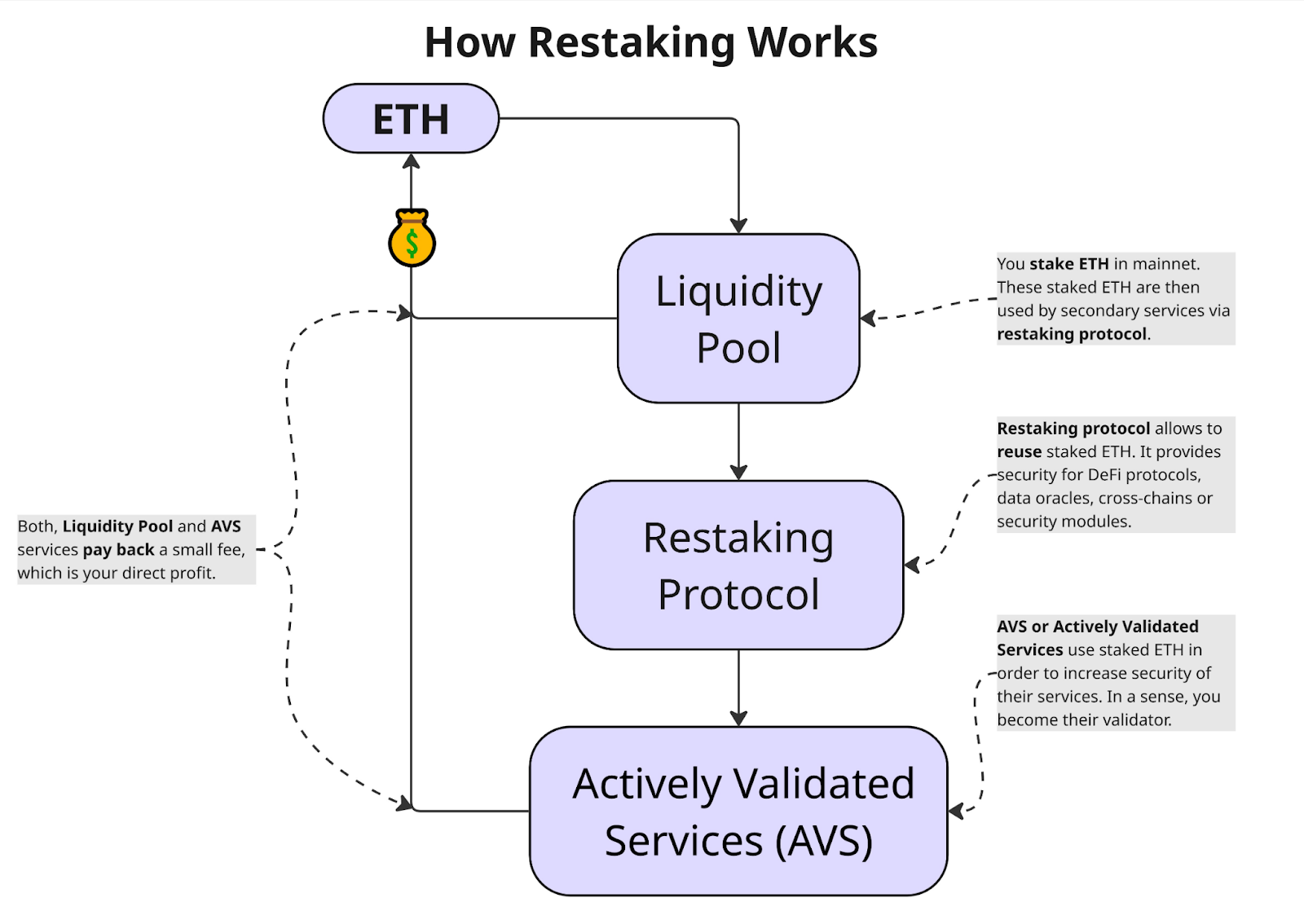
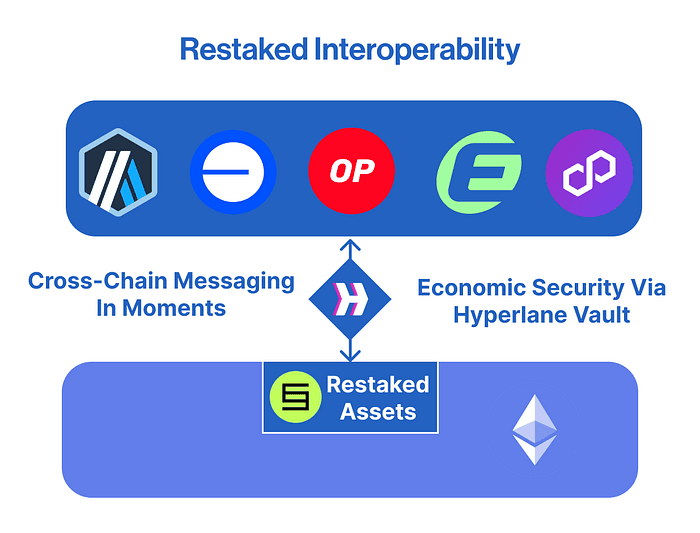
Cross-chain restaking lets you reuse the security of staked assets, like Ethereum, to protect applications on other networks. Instead of moving your underlying principal across bridges, you extend its cryptographic proof of validity to new environments. This unlocks interoperable liquidity without the friction or risk of traditional bridging.
When you restake, your assets continue to secure the base layer while simultaneously providing economic security to Additional Verifiable Services (AVSs) on secondary chains. These AVSs can be anything from decentralized oracle networks to cross-chain messaging protocols. By sharing this pooled security, new protocols can launch with robust protection without needing to build their own validator sets from scratch.
This mechanism creates a shared security market. Stakers earn rewards from multiple sources for the same capital, while AVSs access institutional-grade security instantly. The result is a more efficient capital allocation where your stake works harder across the broader ecosystem, rather than sitting idle on a single chain.
How to set up your first cross-chain restake
Cross-chain restaking lets you secure multiple networks without moving your assets back to Ethereum mainnet. Instead of bridging ETH to a destination chain and locking it there, you bridge a receipt token or use a specialized bridge that maintains your original position on the source chain. This approach saves time and reduces the complexity of managing wrapped assets across different networks.
To begin, you need to prepare your assets on the source chain. Most protocols require you to bridge your ETH or staked ETH (like stETH) to the destination network where the Active Validation Service (AVS) operates. You can use standard bridges or protocol-specific tools like Everclear, which allows you to restake from any L2 without bridging back to Ethereum. Choose a bridge that offers low fees and high security, as this is the most critical step in the process.
Once your assets are on the destination chain, you must deposit them into the restaking contract. This step locks your security and makes it available for the AVS to use. Ensure you are interacting with the official contract address to avoid scams. After the deposit is confirmed, you will receive a receipt token or a position in the restaking pool that represents your stake.
The final step is to opt-in to the specific AVS you want to support. This involves signing a transaction that delegates your restaked security to the service. Once opted-in, your stake is active, and you begin earning rewards for securing the network. Monitor your position regularly to ensure it remains active and to claim any rewards earned.
Use a trusted bridge to move your ETH or staked ETH from your source chain to the destination network where the AVS is located. Verify the bridge's security history and fees before proceeding.
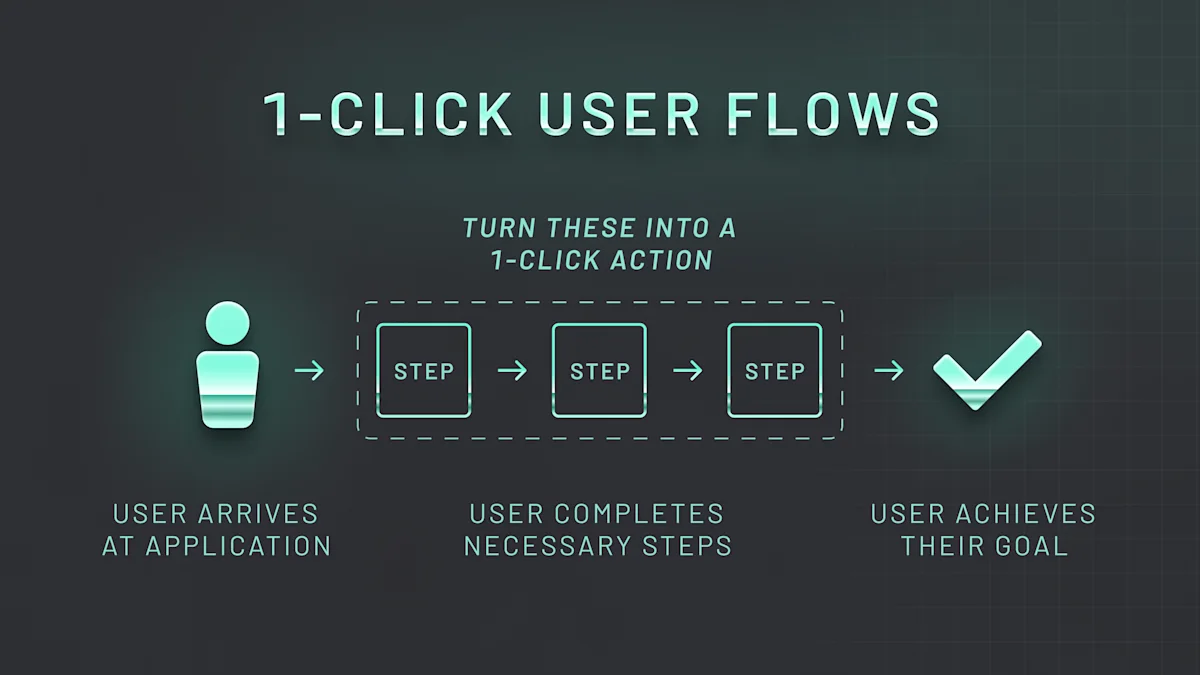
Connect your wallet to the restaking protocol on the destination chain. Deposit your bridged assets into the designated contract to lock your security. This step makes your stake available for the AVS to utilize.
Sign the transaction to delegate your restaked security to the specific Active Validation Service you wish to support. This finalizes your participation and activates your stake for earning rewards.
Compare cross-chain restaking protocols
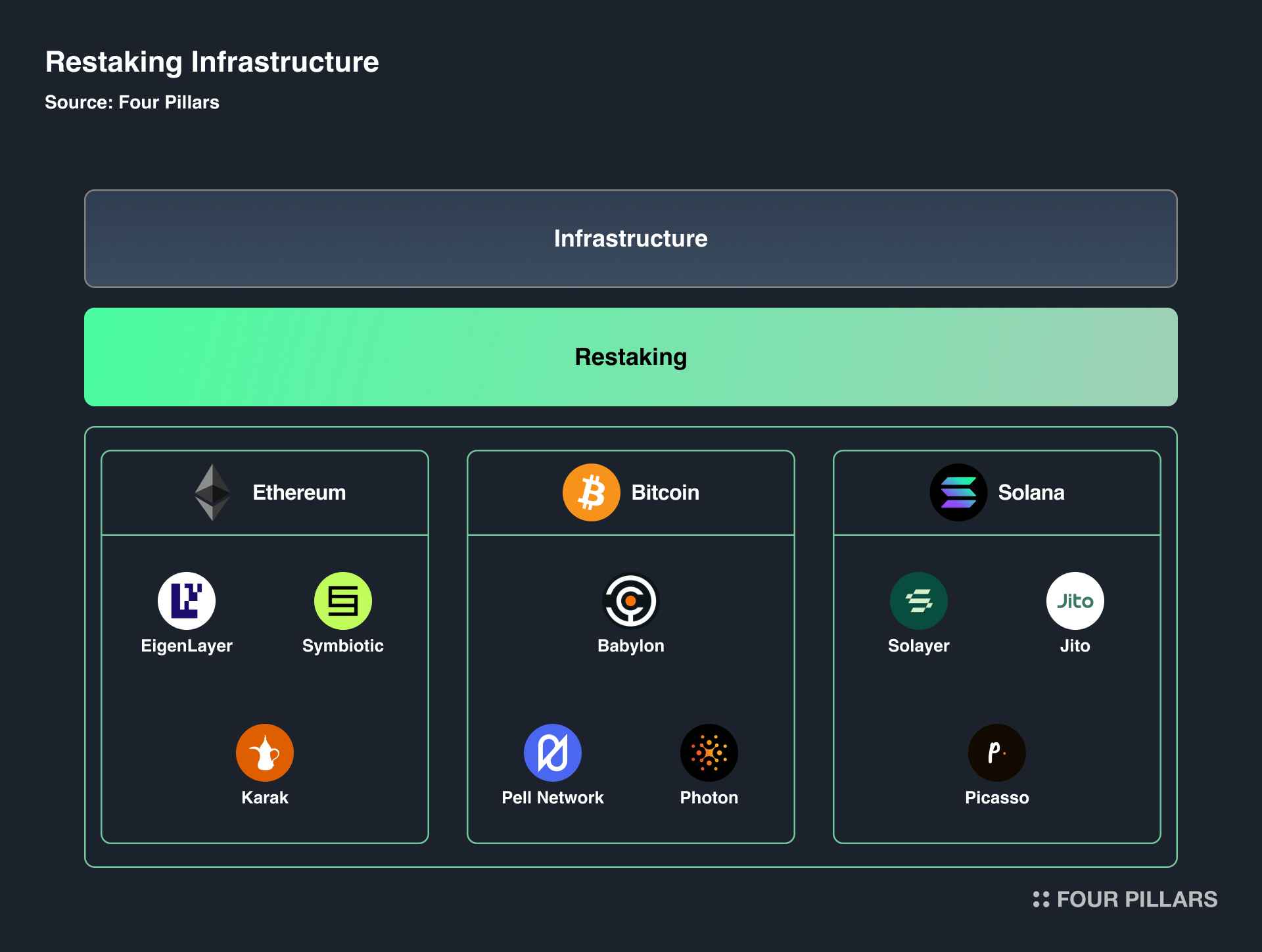
Choosing the right infrastructure provider depends on which chains you need to support and how you want to handle security. The major protocols take different approaches to interoperability, ranging from meshed consensus to L2-native integration.
EigenCloud
EigenCloud extends EigenLayer’s security to other networks by integrating with partners like Renzo’s Flow Vaults. This setup allows you to restake assets beyond just ETH, enabling cross-chain, multi-asset restaking for any project deployed on the cloud. It is ideal if you want to leverage existing EigenLayer security without building your own bridging layer.
Allstake
Allstake positions itself as the first meshed restaking protocol, bringing restaking to all chains simultaneously. By decoupling consensus from execution, it aims to enable trustless scaling across the entire ecosystem. This approach is best for projects that need a universal layer rather than a single-chain focus.
Everclear
Everclear powers decentralized applications to enable cross-chain restaking from any L2 without requiring users to bridge assets back to Ethereum mainnet. This reduces friction for end-users and is particularly useful for L2-native projects that want to tap into Ethereum’s security without the overhead of mainnet bridges.
| Protocol | Supported Chains | Asset Types | Security Approach |
|---|---|---|---|
| EigenCloud | Multi-chain via partners | ETH + Multi-asset | EigenLayer AVS |
| Allstake | All chains (meshed) | Native | Decoupled consensus |
| Everclear | Any L2 | Native L2 assets | L2-native integration |
Risks and liquidity traps to avoid
Cross-chain restaking offers expanded yield opportunities, but it introduces distinct vulnerabilities that do not exist in single-chain staking. The primary danger lies in the complexity of the infrastructure required to move assets and security across different blockchains. Each additional layer of interoperability increases the potential attack surface.
Bridges are the most common point of failure. When you restake assets across chains, you rely on a bridge to lock tokens on the source chain and mint representations on the destination. If the bridge’s smart contracts are compromised, the underlying staked assets are at risk. Historical hacks of major bridges demonstrate that even audited code can contain exploitable logic. Always prefer bridges with decentralized security models or those backed by established interoperability protocols like Wormhole, which has seen widespread adoption in restaking solutions.
Slashing conditions present a second, often overlooked risk. In restaking, you provide security to multiple Actively Validated Services (AVSs). If one AVS fails to perform its duties correctly, the restaking protocol may slash your staked assets. In a cross-chain environment, determining which chain’s rules apply and how slashing is enforced across different consensus mechanisms can be complex. Misaligned incentives or technical failures on one chain could trigger penalties on your entire restaking position, even if your assets on other chains are secure.
Liquidity fragmentation further complicates the picture. When assets are locked in restaking contracts across multiple networks, they become illiquid. You cannot easily withdraw or trade these assets without breaking the restaking agreement or waiting for unbonding periods to expire. If market conditions change rapidly, you may be unable to exit your positions quickly, leading to significant opportunity costs or exposure to prolonged downturns. Always assess the lock-up periods and withdrawal mechanisms for each chain before committing capital.
Your pre-flight checklist for restaking
Cross-chain restaking amplifies yield but multiplies attack surfaces. Before you commit capital to secure an Actively Validated Service (AVS) on a foreign network, run through this verification sequence. Treat this list as your non-negotiable security audit.
- Verify the bridge: Confirm the protocol uses a verified, audited bridge or a decentralized messaging layer (like LayerZero or Chainlink CCIP). Avoid proprietary bridges with limited transparency. Check if the bridge has a historical track record of uptime and security.
- Audit the AVS: Research the specific service you are securing. Does it have a clear utility, or is it a "vampire" protocol draining liquidity? Look for independent security audits and community sentiment on platforms like Twitter or Discord.
- Understand slashing conditions: Read the smart contract code or summary of slashing events. What actions trigger a penalty? Is it just downtime, or can malicious behavior slash your principal? Ensure you understand the exit window and any lock-up periods.
- Check gas and bridge fees: Calculate the total cost of entry, including bridge fees and gas on both the source and destination chains. Ensure the expected yield outweighs these friction costs, especially during network congestion.
Once you have verified these four pillars, you can proceed with confidence. Restaking is powerful, but only when you fully grasp the infrastructure holding your assets.
Common questions about cross-chain security
Restaking allows you to reuse staked assets to secure new networks, while cross-chain protocols move value between them. Understanding how these systems interact is essential for managing risk.
Restaking decouples consensus from execution, enabling trustless scaling across chains. This architecture allows your capital to secure multiple services simultaneously, provided you understand the associated risks.
No comments yet. Be the first to share your thoughts!