Cross-chain restaking 2026 limits to account for
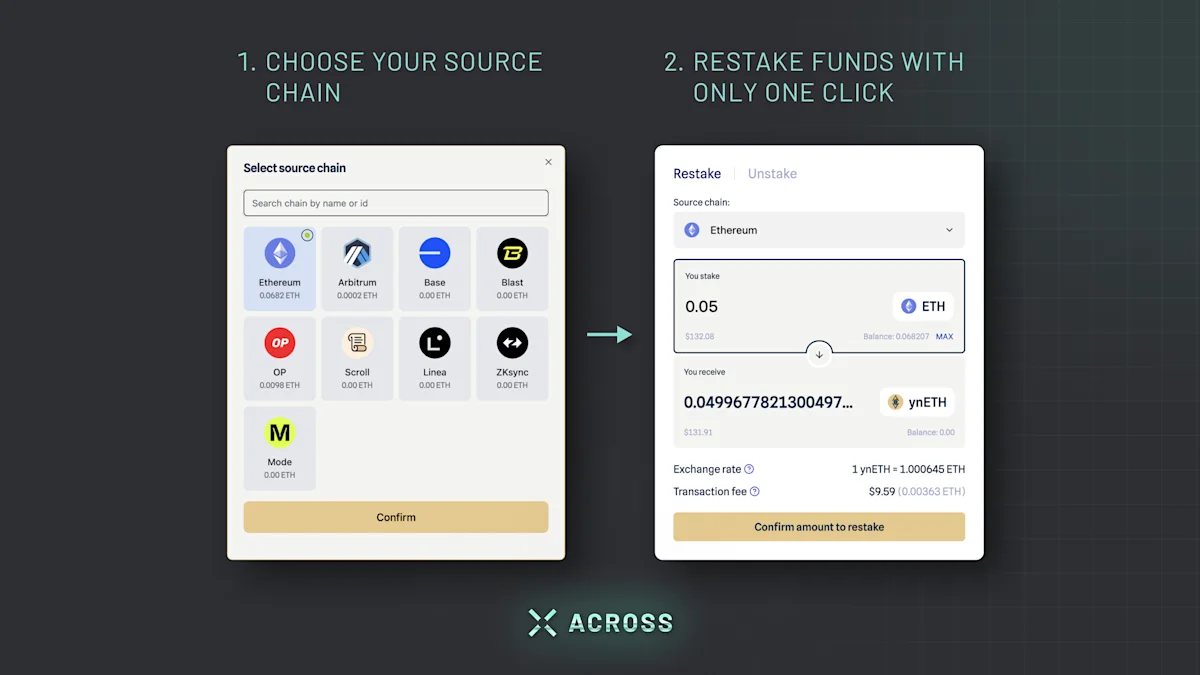
Cross-chain restaking in 2026 is less about pure yield maximization and more about navigating the friction between isolated security models. You deposit assets on one chain, receive a receipt token, and then deploy that receipt to secure validators on a different network. This process unlocks capital efficiency but introduces a new variable: the bridge.
The primary constraint is no longer just the yield spread; it is the trust assumption of the interoperability layer. In 2026, the landscape has shifted from generic bridge aggregators to specialized liquidity protocols. These protocols fall into three distinct paradigms: AMM-native, bridge-fed, and solver-networked. Each carries different risk profiles regarding slippage, latency, and smart contract exposure.
| Paradigm | Mechanism | Primary Risk |
|---|---|---|
| AMM-native | Liquidity pools across chains | Impermanent loss, pool imbalance |
| Bridge-fed | Locked/minted asset pairs | Bridge exploit, liquidity fragmentation |
| Solver-networked | Off-chain matching engines | Centralization, operator failure |
When evaluating cross-chain restaking opportunities, you must audit the security model of the bridge itself. A high yield on Ethereum restaking is negated if the bridge securing the Solana or L2 leg has a history of exploits. The 2026 constraint forces you to treat the interoperability layer as a first-class security component, not just a transport mechanism.
Cross-chain restaking 2026 choices that change the plan
Cross-chain restaking offers higher yields than single-chain staking, but it introduces distinct risks that vary by network. In 2026, the choice between Ethereum, Solana, and Layer 2s depends on your tolerance for bridge risk, validator complexity, and liquidity fragmentation.
Ethereum Mainnet
Ethereum provides the deepest liquidity and the most battle-tested security models. Restaking here means interacting with established protocols like EigenLayer or Lido, which have undergone extensive audits. The tradeoff is higher gas fees and slower finality. You are paying a premium for the security of the Ethereum consensus layer, but you must manage the complexity of liquid staking derivatives (LSTs) and their interactions across multiple chains.
Solana
Solana offers near-instant finality and negligible transaction costs, making it ideal for high-frequency strategies. However, the ecosystem relies on different consensus mechanisms and validator sets. Cross-chain solutions here often involve wrapping SOL or using specific bridge protocols to access restaking opportunities. The risk profile shifts from bridge exploits to validator reliability and network stability during high load. Liquidity is deep but can be fragmented across different wrapped variants.
Layer 2s (Arbitrum, Optimism, Base)
Layer 2s provide a middle ground: lower fees than Ethereum mainnet and faster speeds than Solana for certain operations. Restaking on L2s often involves bridging ETH or stablecoins to the L2 and interacting with native restaking contracts. The primary risk is bridge security and the relative immaturity of L2-specific restaking protocols. Liquidity is growing but may be thinner, leading to higher slippage when entering or exiting positions.
| Network | Yield Potential | Primary Risk | Transaction Cost |
|---|---|---|---|
| Ethereum | Moderate | Smart Contract & LST Depeg | High |
| Solana | High | Bridge & Validator Stability | Negligible |
| Layer 2s | High | Bridge Security & Fragmentation | Low |
Technical Considerations
When evaluating these options, look beyond the headline APY. Check the total value locked (TVL) in the restaking protocol to gauge confidence. Review the audit history of the smart contracts involved. Consider the liquidity depth of the restaking receipts you will receive; if you cannot exit easily, the yield is irrelevant.
Final Checklist
- Bridge Security: Is the bridge used to move assets audited and time-tested?
- Protocol TVL: Is there enough capital locked to support the yield claims?
- Exit Liquidity: Can you sell your restaking receipts without significant slippage?
- Smart Contract Risk: Have the core restaking contracts been audited by reputable firms?
Choose the next step
Cross-Chain Restaking works best as a clear sequence: define the constraint, compare the realistic options, test the tradeoff, and choose the path with the fewest hidden costs. That order keeps the advice usable instead of decorative. After each step, pause long enough to check whether the recommendation still fits the reader's actual situation. If it depends on perfect timing, unusual access, or a best-case budget, include a simpler fallback.

Avoid the weak options
The easiest mistake with Cross-Chain Restaking is comparing options on the most visible detail while ignoring the day-to-day constraint. A choice can look strong on paper and still fail because it is too hard to maintain, too expensive to repeat, or awkward in the actual setting. Use the same checklist for every option: fit, cost, durability, timing, upkeep, and fallback plan. That keeps the comparison practical instead of drifting into preference alone.
The simplest way to use this section is to write down the real constraint first, compare each option against it, and choose the path that still works outside ideal conditions.
Cross-chain restaking 2026: what to check next
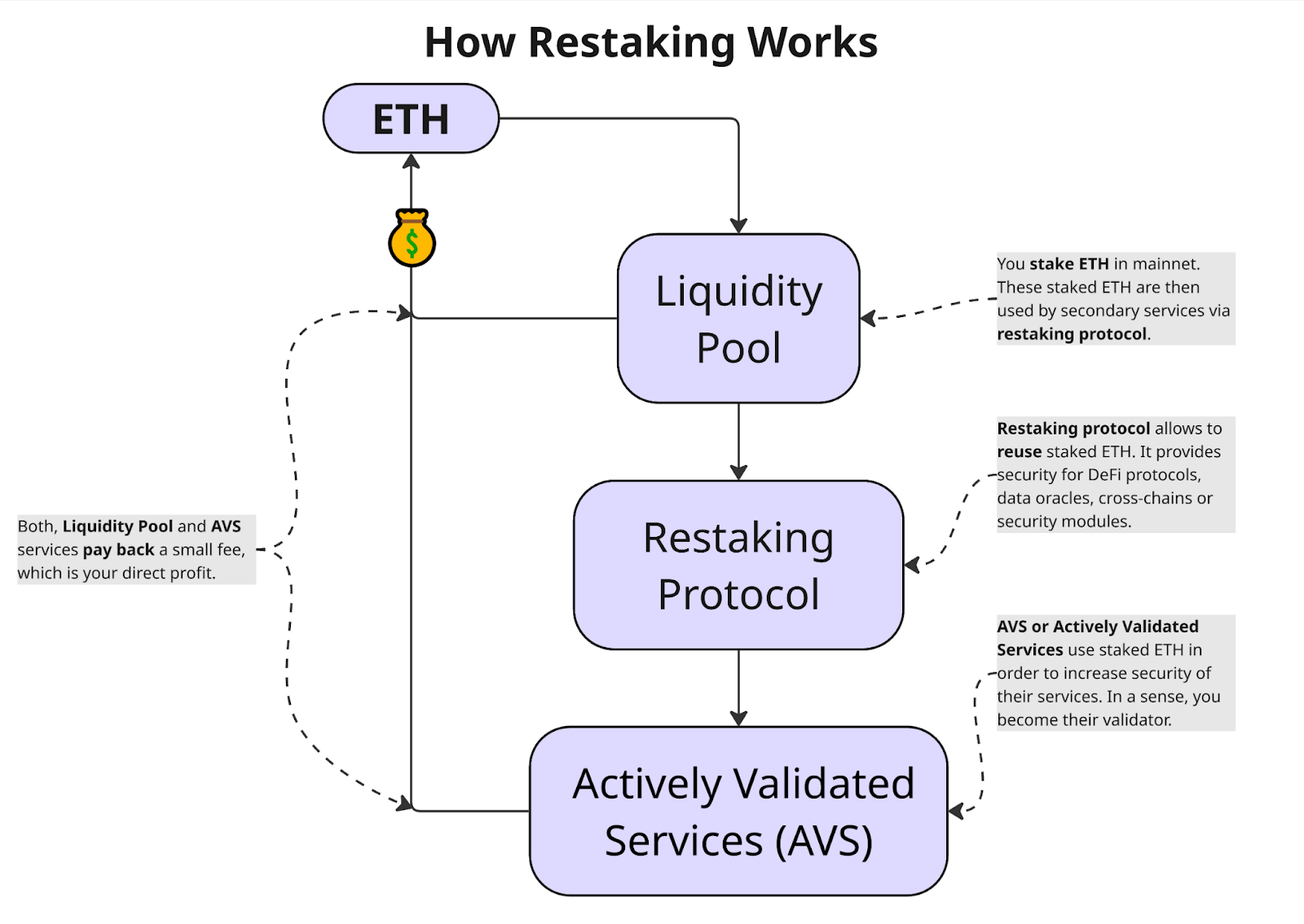
Cross-chain restaking lets you stake assets on one chain, like Ethereum, and use the resulting liquid staking tokens as collateral on another network, such as Solana or an L2. This process unlocks idle capital, allowing your yield-bearing assets to work harder across different ecosystems without locking them in a single environment.
The primary risk lies in the bridge infrastructure connecting these chains. If a bridge is compromised, your assets may be trapped or stolen, even if the underlying staking protocol remains secure. You must evaluate the bridge’s security model—whether it relies on multi-sig wallets, threshold signatures, or decentralized validator sets—before committing capital to any cross-chain yield strategy.
Yield calculations often look higher on paper because they include rewards from multiple sources. However, you must account for bridge fees, gas costs on both networks, and potential slippage when moving assets. A strategy that appears profitable in isolation may break even once all cross-chain transaction costs are included.
Liquidity can dry up quickly during market stress. If many users try to unstake simultaneously, the bridge or the underlying protocol may face congestion. Always check the current liquidity depth of the restaking pool and ensure you can exit your position within your desired timeframe without significant price impact.
No comments yet. Be the first to share your thoughts!