Get cross-chain restaking 2026 right
Cross-chain restaking lets you stake assets on one chain and earn rewards on another, but the path is littered with bridge risks. Before you commit capital, you need to verify the infrastructure holding your funds. Treat the bridge not as a feature, but as the weakest link in your security chain.
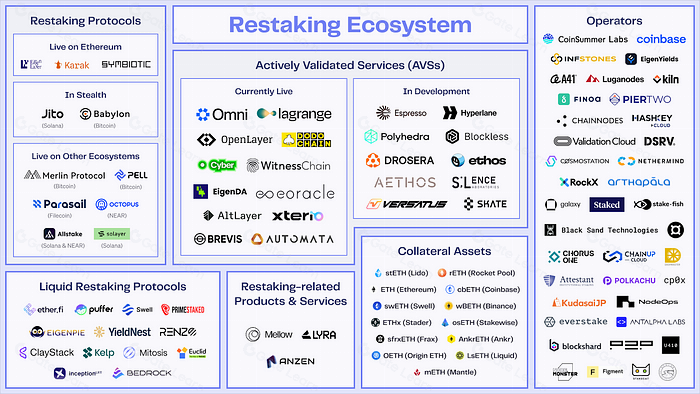
Start by identifying the interoperability protocol powering the transfer. In 2026, mature solutions like Chainlink CCIP handle billions in volume by connecting over 70 blockchains. These protocols often use permissionless utilities, such as Circle’s CCTP, to teleport USDC across chains through native burning and minting rather than relying on wrapped assets. Verify that the platform you are using integrates with these audited standards rather than obscure, unaudited bridges.
Next, audit the specific smart contracts involved in the restaking layer. Look for recent audit reports from reputable firms and check if the protocol has a bug bounty program. Ensure the yield source is transparent; opaque yield often masks the risk of a bridge exploit. If the platform does not clearly disclose which cross-chain messaging layer it uses, walk away. Security must precede yield.
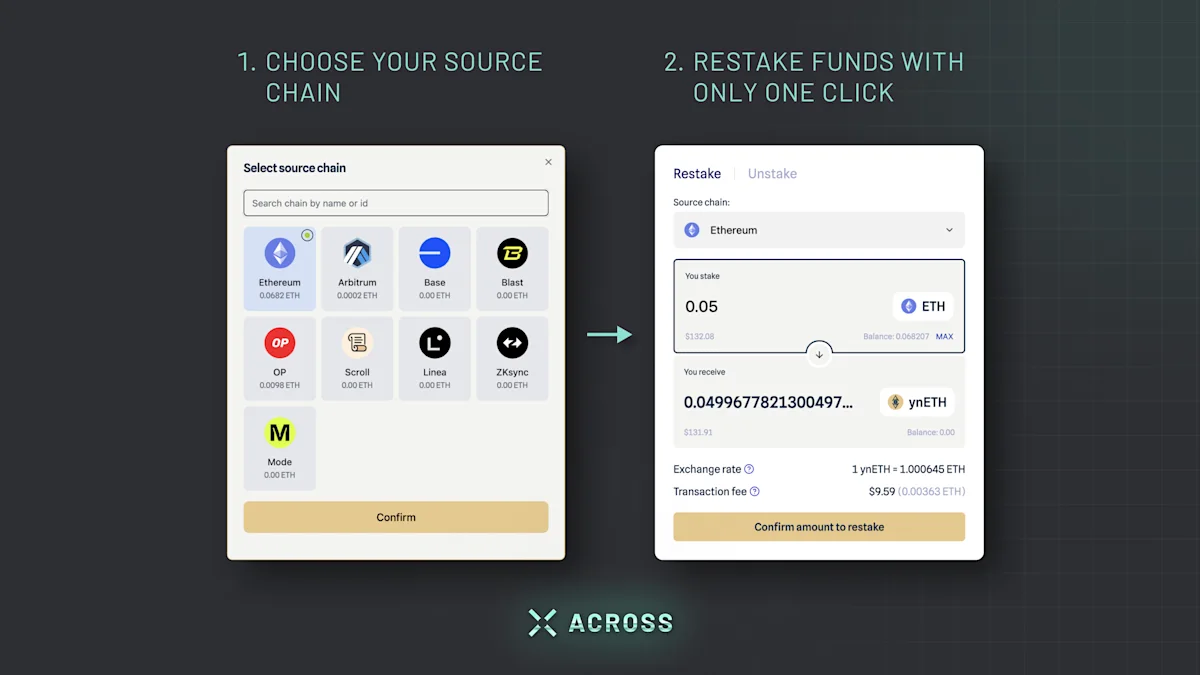
Walk through the steps
Cross-chain restaking lets you earn yield on staked assets while moving them between blockchains. But bridges are the weakest link. A single vulnerability can drain the entire pool.
Follow this sequence to lock in yield without exposing your capital to bridge exploits. Each step reduces risk by verifying the path before you commit funds.
Start with a protocol that has audited smart contracts and a history of secure operations. Avoid new or unaudited platforms. Look for restaking solutions that explicitly support cross-chain functionality through established interoperability layers.

Not all bridges are equal. Prefer protocols with high total value locked (TVL) and transparent security models. Chainlink CCIP is a strong option, having processed over $18B in cross-chain transfers in Q1 2026. It connects 70+ blockchains and integrates with Swift’s network, offering institutional-grade security.

Ensure your staked asset is supported on both the source and destination chains. Check that sufficient liquidity exists to avoid high slippage or failed transactions. Some restaking protocols only support specific tokens across certain chains. Confirm compatibility before initiating the transfer.
Initiate the transfer through the selected bridge. Pay attention to gas fees on both chains and estimated completion times. Monitor the transaction status until it confirms on the destination chain. Keep transaction hashes for record-keeping and troubleshooting.
Once the tokens arrive, deposit them into the restaking contract on the new chain. Verify that the contract address matches the official protocol documentation. Stake the assets to begin earning yield. Double-check that your position is correctly registered on the destination chain’s explorer.
Yield rates and bridge risks change frequently. Set up alerts for protocol upgrades or security incidents. Periodically review your positions and rebalance if a bridge’s TVL drops significantly or if a new vulnerability is discovered. Regular monitoring protects your yield over time.
Fix common mistakes
Cross-chain restaking is not just a matter of picking the highest yield. The infrastructure is fragmented, and the margin for error is thin. Most losses in this sector don't come from market volatility; they come from structural failures in the bridge or the validator set. If you skip the verification steps, you are effectively gambling your principal on code you haven't audited.
Using unverified bridges
The most frequent mistake is routing restaking assets through bridges with low total value locked (TVL) or no formal audit history. These bridges are the weakest link in the restaking chain. A single exploit can drain the pool, leaving your restaked position worthless regardless of the underlying yield. Always check the bridge's TVL and audit status before initiating a transfer. If a bridge has never been audited by a reputable firm, treat it as high-risk.
Ignoring validator slashing conditions
Restaking amplifies rewards, but it also amplifies penalties. Many users fail to read the specific slashing conditions of the restaking protocol they choose. If a validator you are delegated to misbehaves, your entire restaked position can be slashed. This risk is compounded when you are bridging assets across chains, as the slashing mechanism may not be synchronized across the different blockchains. Check the historical performance and slashing history of the validator set before committing funds.
Overlooking gas and liquidity limits to account for
Translating assets across chains requires gas on both the source and destination chains. A common error is underestimating the gas costs, which can eat into your yield, especially for smaller positions. Additionally, some restaking protocols require native tokens for gas on the destination chain. If you don't have enough native tokens, your transaction will fail, and you may lose the bridging fees. Ensure you have sufficient native tokens on both chains before starting the process.
Cross-chain restaking 2026: what to check next
Cross-chain restaking combines the yield of staking with the reach of interoperability, but it introduces specific technical and financial risks. Before committing capital, understand how these mechanisms function and where the common failure points lie.
No comments yet. Be the first to share your thoughts!