
Cross-Chain Restaking Guide: Restake ETH Across Ethereum and Arbitrum Without Bridging Hassles

In a market where Ethereum’s native token trades at $2,281.36, savvy investors are eyeing every edge to amplify returns. Cross-chain restaking ETH across Ethereum and Arbitrum without bridging hassles stands out as a game-changer, slashing fees, speeding up processes, and unlocking multi-chain ETH yields that traditional staking can’t match. Protocols like Eigenpie and Renzo have engineered pathways to restake directly from Arbitrum, bypassing the usual cross-chain headaches.

Strategic Edge of No-Bridge Restaking in the Ethereum Ecosystem
Bridging ETH between Ethereum L1 and Arbitrum typically drags users through high gas costs, lengthy waits, and smart contract vulnerabilities. Yet, as Arbitrum’s TVL surges alongside Ethereum’s security model, the demand for fluid cross-chain restaking ETH explodes. Eigenpie’s approach flips the script: their Fast Restake lets you convert small ETH amounts into egETH straight on Arbitrum. They pre-fund a smart contract with limited egETH liquidity, charging a modest fee for instant access. This isn’t just convenience; it’s a yield optimizer’s dream, capturing Arbitrum’s low fees while tapping Ethereum’s restaking rewards.
For larger positions, Eigenpie’s Slow Restake leverages Chainlink’s CCIP to shuttle funds to L1 seamlessly. Expect about 30 minutes turnaround, plus network fees, but the payoff? Shared security via AVS and compounded APYs that outpace solo staking. I see this as macro arbitrage: position ETH where liquidity thrives, restake where security scales.
Eigenpie Leads with Dual-Speed Restaking Precision
Diving deeper, Eigenpie’s dual options cater to tactical traders and long-term holders alike. Fast Restake suits those dipping toes with under certain thresholds, avoiding cross-chain entirely. It’s pre-supplied liquidity at work, a buffer against volatility when ETH dips to $2,115.33 lows. Slow Restake, meanwhile, scales for whales, ensuring full restaking exposure without manual bridges. In my nine years tracking forex-crypto flows, this mirrors carry trades: borrow low on L2, deploy high on L1 security.
Restaking native ETH via Arbitrum redefines efficiency, turning Arbitrum’s speed into Ethereum’s yield powerhouse.
StakeEase complements this with LayerZero’s OFT tech, condensing restaking into one transaction on Arbitrum and Optimism. No more multi-step dances; just deposit and earn Kelp rewards. This streamlines restake Ethereum Arbitrum flows, cutting complexity that once deterred institutions.

Renzo Protocol’s Canonical Bridge Revolutionizes Accessibility
Renzo takes a different angle, integrating a custom canonical bridge for deposits of ETH, wETH, or wstETH on Arbitrum, minting ezETH in return. This isn’t generic bridging; it’s purpose-built for restaking, minimizing costs and risks. Users gain liquid restaking tokens without L1 migrations, preserving capital efficiency. Pair this with Lido’s CCIP-powered staking, and Arbitrum holders stake directly for wstETH, fueling a virtuous cycle of liquidity and security.
These innovations signal a maturing ecosystem. Where once no bridge restaking was a pipe dream, now it’s protocol reality. Eigenpie’s speed, Renzo’s seamlessness, StakeEase’s simplicity, Lido’s interoperability, they all converge to maximize yields amid ETH’s $2,281.36 stability. Investors who grasp this shift position for the multi-chain era’s alpha.
Ethereum (ETH) Price Prediction 2027-2032
Forecasts driven by cross-chain restaking yield trends on Ethereum and Arbitrum
| Year | Minimum Price | Average Price | Maximum Price | YoY Growth (%) |
|---|---|---|---|---|
| 2027 | $3,000 | $4,500 | $7,000 | +80% |
| 2028 | $4,000 | $6,500 | $11,000 | +44% |
| 2029 | $5,500 | $9,000 | $15,000 | +38% |
| 2030 | $7,000 | $12,000 | $20,000 | +33% |
| 2031 | $9,000 | $16,000 | $27,000 | +33% |
| 2032 | $11,000 | $21,000 | $35,000 | +31% |
Price Prediction Summary
ETH prices are projected to grow significantly from 2027-2032, fueled by seamless cross-chain restaking protocols (Eigenpie, Renzo, StakeEase, Lido) that boost yields, liquidity, and L2 adoption without bridging hassles. Average price expected to rise from $4,500 to $21,000, with bullish max scenarios reflecting market cycles and tech upgrades, while mins account for potential bear markets.
Key Factors Affecting Ethereum Price
- Cross-chain restaking innovations reducing costs and complexity via Eigenpie Fast/Slow Restake, Renzo canonical bridge, StakeEase LayerZero OFT, Lido CCIP integration
- Increased ETH staking participation and yields enhancing network security and utility
- Ethereum L2 scaling (Arbitrum) and interoperability improvements driving adoption
- Market cycles, institutional inflows, and regulatory developments supporting long-term growth
- Competition from other L1s and potential economic downturns influencing min price scenarios
Disclaimer: Cryptocurrency price predictions are speculative and based on current market analysis.
Actual prices may vary significantly due to market volatility, regulatory changes, and other factors.
Always do your own research before making investment decisions.
Strategic positioning demands more than awareness; it requires execution. With ETH holding steady at $2,281.36 despite a 2.52% dip, protocols like these turn Arbitrum’s cost advantages into restaking firepower. But which fits your playbook? Eigenpie shines for precision, Renzo for robustness, StakeEase for minimalism. Layer in Lido’s reach, and options abound for multi-chain ETH yields.
Hands-On: Executing No-Bridge Restaking on Arbitrum
Let’s break it down operationally. Protocols prioritize user flows, collapsing what used to be multi-hop ordeals into streamlined deposits. Eigenpie’s Fast Restake exemplifies this: connect your wallet on Arbitrum, approve ETH spend, and swap into egETH instantly. No L1 waits, no bridge exploits via address aliasing pitfalls. This direct path captures yields from Ethereum’s AVS ecosystem while Arbitrum handles the gas at pennies.
Eigenpie Fast Restake: Seamlessly Restake ETH on Arbitrum Without Bridging


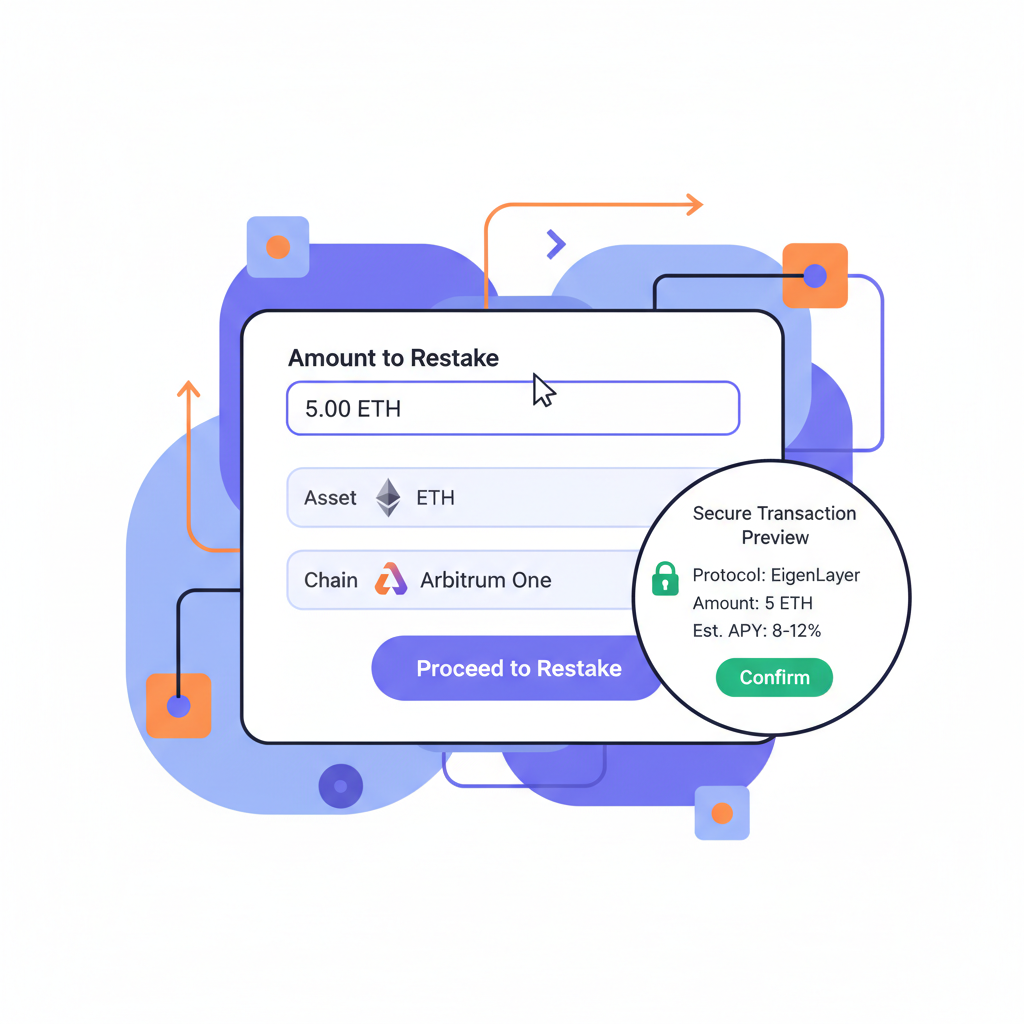
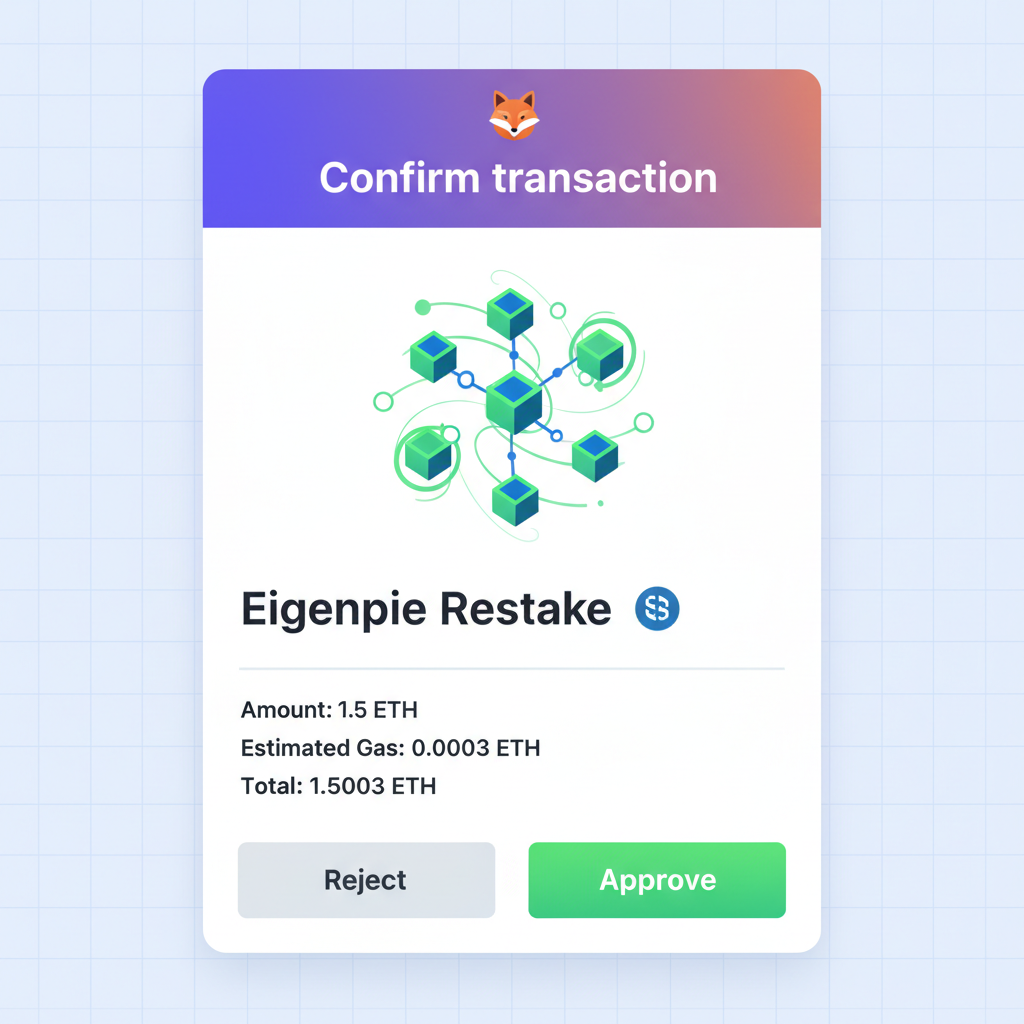

Scale to Slow Restake for heftier sums, where CCIP handles the L1 relay securely. Renzo mirrors this with its canonical bridge: deposit wETH or wstETH, receive ezETH, and compound. StakeEase’s LayerZero integration? One-click to Kelp positions. These aren’t gimmicks; they’re tactical tools for yield arbitrage in a $2,281.36 ETH market prone to swings from $2,115.33 lows.
Protocol Showdown: Fees, Speeds, and Yield Potential
Numbers reveal the winners. Eigenpie’s Fast mode nips fees at a nominal clip for small stakes, scaling efficiently via CCIP for big ones. Renzo undercuts with L2-native bridging, Lido leverages proven CCIP for broad compatibility. StakeEase minimizes steps, slashing effective costs. Here’s the tactical breakdown:
Comparison of Cross-Chain Restaking Protocols on Arbitrum
| Protocol | Supported Assets (ETH/wETH/wstETH) | Avg Fees | Time to Restake | APY Boost over Base Staking | Security Model |
|---|---|---|---|---|---|
| Eigenpie Fast | ETH ✓ | Nominal | Immediate | Varies (EigenLayer market rates) | Arbitrum smart contract pre-supply |
| Eigenpie Slow | ETH ✓ | Network fees | ~30 minutes | Varies (EigenLayer market rates) | Chainlink CCIP |
| Renzo | ETH ✓, wETH ✓, wstETH ✓ | Reduced tx costs | Near-instant | Varies (EigenLayer market rates) | Custom canonical bridge |
| StakeEase | ETH ✓ | Minimal (single tx) | Instant | Varies (Kelp market rates) | LayerZero OFT |
| Lido | ETH ✓ | Low | Fast | Varies (Lido + restaking) | Chainlink CCIP |
From this matrix, Eigenpie dominates retail agility; Renzo institutional scale. In forex-crypto hybrids I’ve tracked, such edges compound: low-fee L2 entry funds high-security L1 rewards, netting superior cross-chain restaking ETH returns. Risks linger, mind you; smart contract audits matter, as does liquidity caps in pre-funded pools. Yet, shared AVS models distribute security, fortifying against exploits.
Seamless ETH Restaking on Arbitrum: Eigenpie Fast Restake Without Bridging
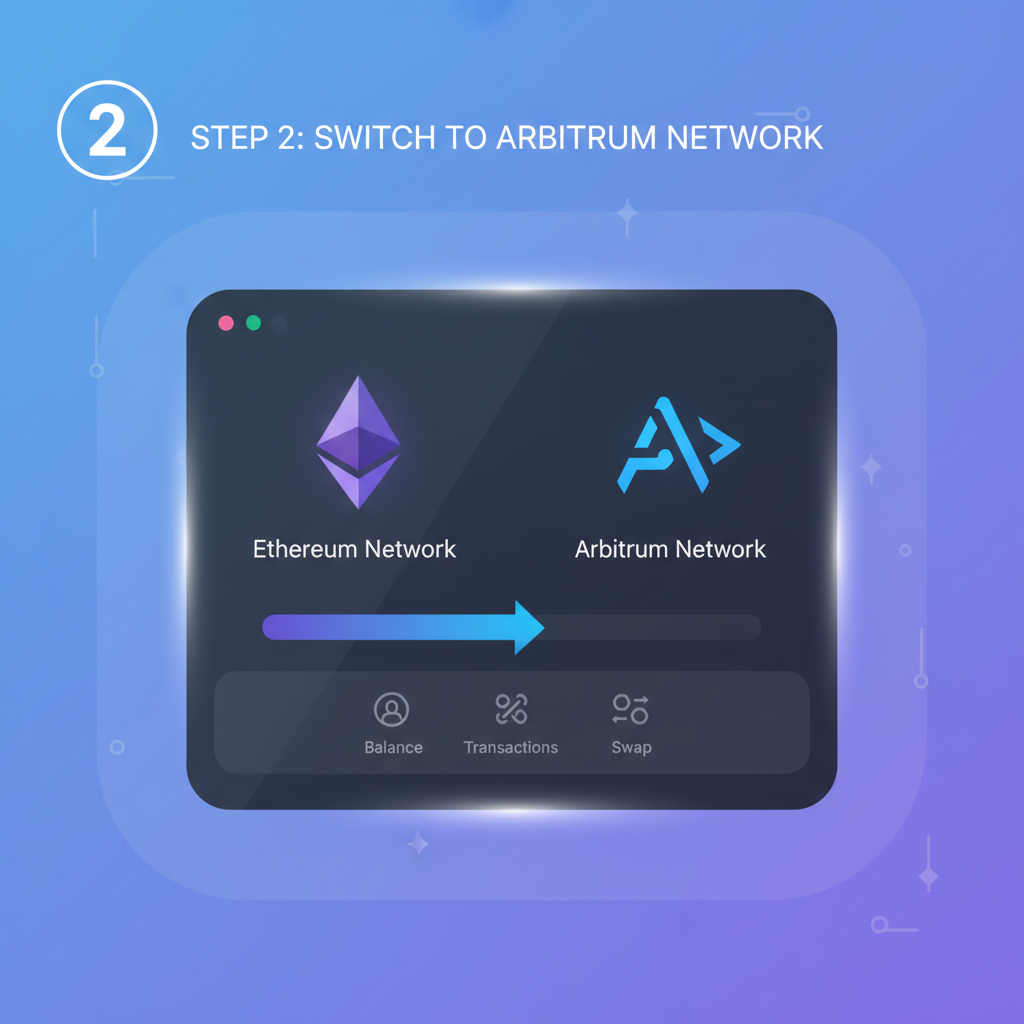
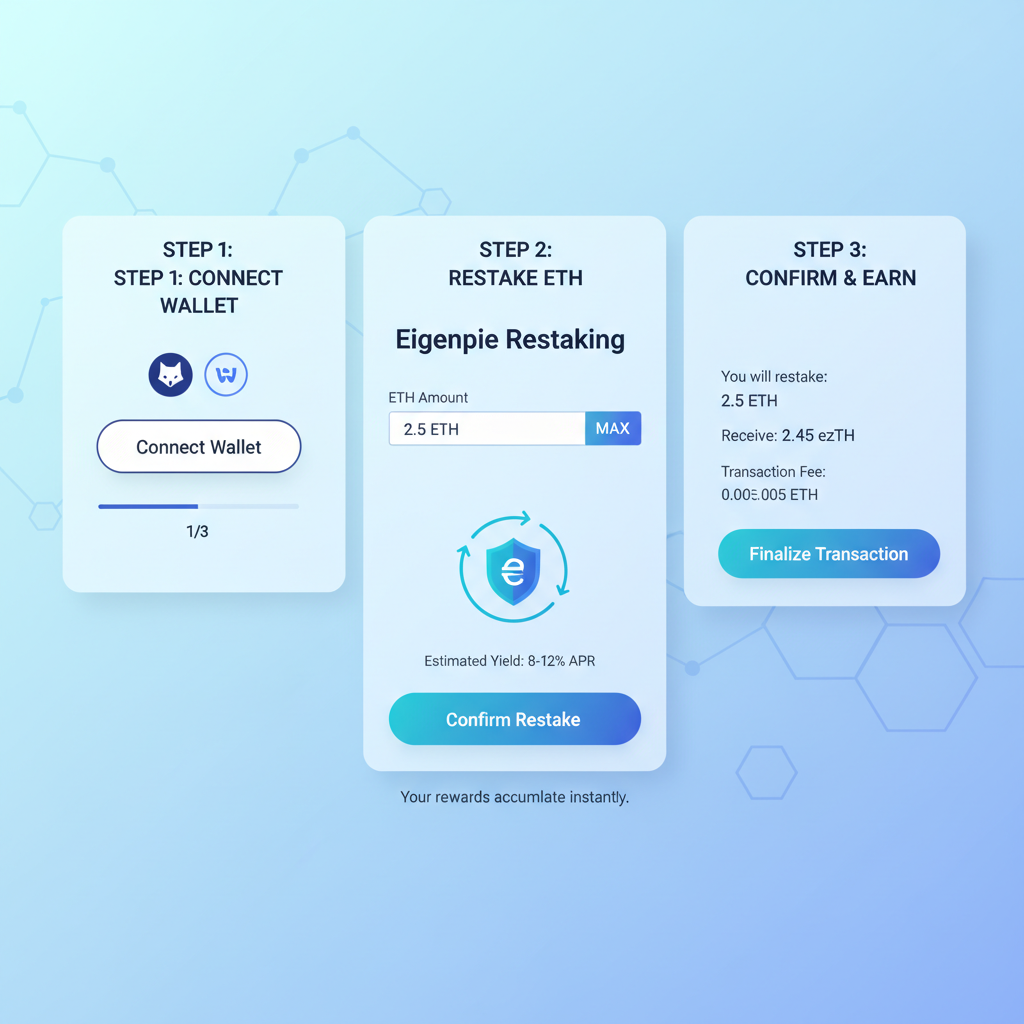
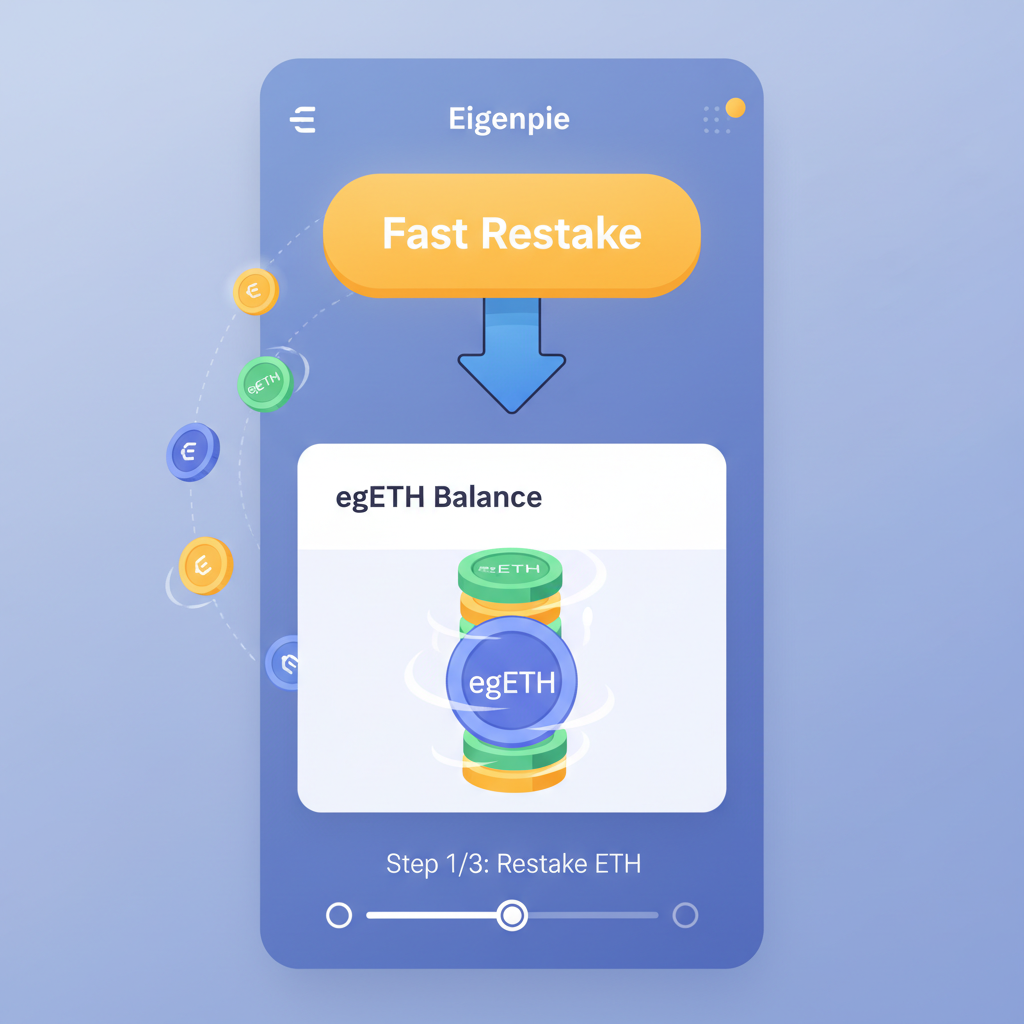
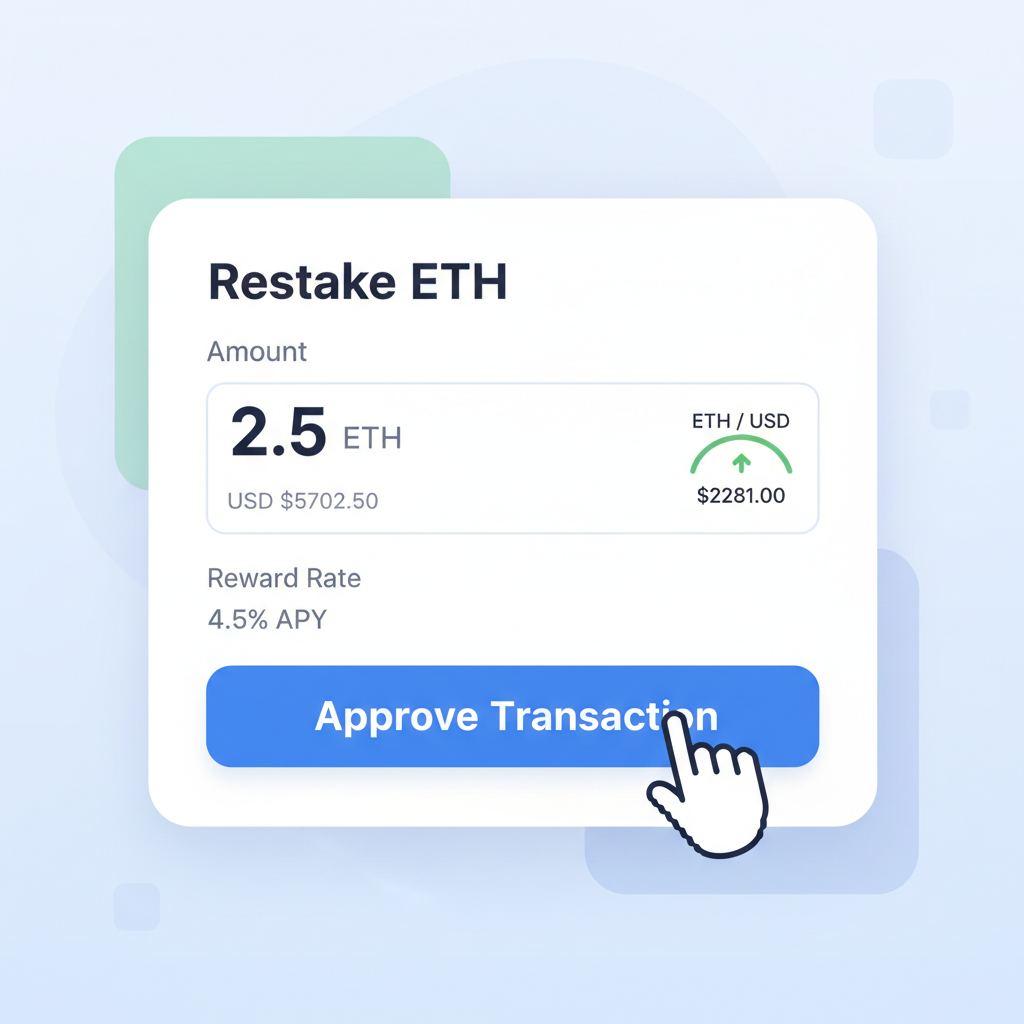
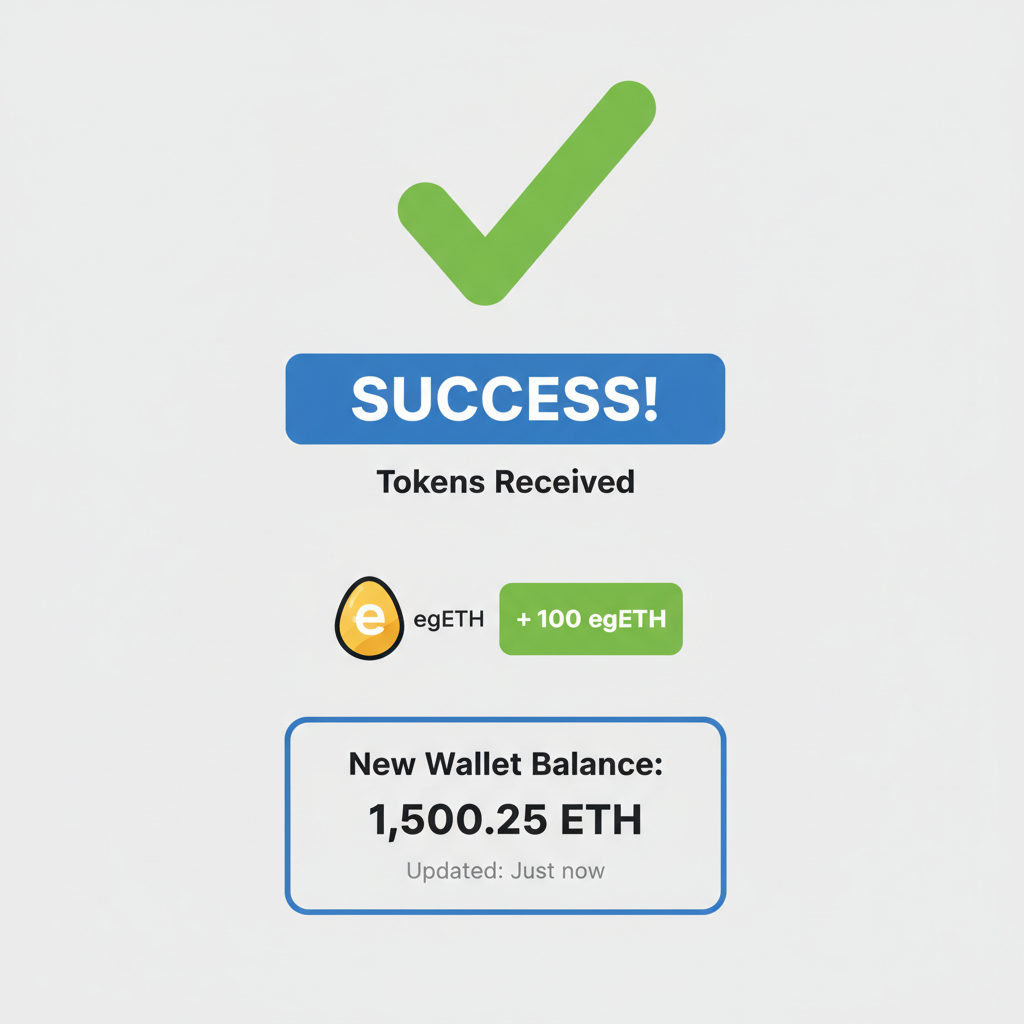
Chainlink’s CCIP underpins much of this, enabling protocols to scale restaking cross-chain without native Arbitrum bridges. Videos like the masterclass demystify it, showing devs how to deploy contracts that power your yields. For users, it means trustless execution: ETH from Arbitrum fuels Ethereum restaking, wstETH or egETH in pocket, all sans custodial bridges or CEX detours.
Navigating Risks and Maximizing Multi-Chain Yields
Yield chasers must weigh slashing risks in AVS, though diversified protocols mitigate. Volatility? Hedge with liquid tokens like ezETH, tradeable amid ETH’s $2,281.36 anchor. My take: this convergence of L2 liquidity and L1 security crafts the ultimate carry, akin to funding yen for dollar bonds. Institutions pile in via Renzo; retail thrives on Eigenpie. StakeEase bridges the gap for OpSec-focused players.
Arbitrum’s ascent, sans native inter-Arbitrum bridges, spotlights these L1-L2 hybrids. No more CEX crutches with fees and custody woes. Instead, direct restake Ethereum Arbitrum paths unlock APYs that vanilla staking ignores. Monitor TVL flows; they’re the macro signal for sustained alpha.
Armed with these tools, position ETH across chains fluidly. In the multi-chain scrum, no bridge restaking isn’t optional; it’s the yield frontier. Protocols evolve, CCIP expands, Arbitrum scales. Savvy players restake now, harvesting compounded returns as Ethereum’s ecosystem unifies. Your portfolio awaits that edge.