
Cross-Chain Restaking Ethereum to Solana: Step-by-Step 2026 Guide

In the multi-chain DeFi landscape of 2026, cross-chain restaking from Ethereum to Solana stands out as a high-reward strategy fraught with peril. As a risk management veteran with two decades in the trenches, I’ve seen protocols rise and crumble under volatility. Yet, with disciplined execution, restaking ETH-derived assets on Solana’s high-throughput network can amplify yields while sharing security burdens. This guide prioritizes conservative positioning, drawing from Picasso Network’s IBC bridges and EigenLayer’s expanded AVS to navigate Ethereum’s robust security toward Solana’s speed.

Core Mechanics of Cross-Chain Restaking: Ethereum Meets Solana
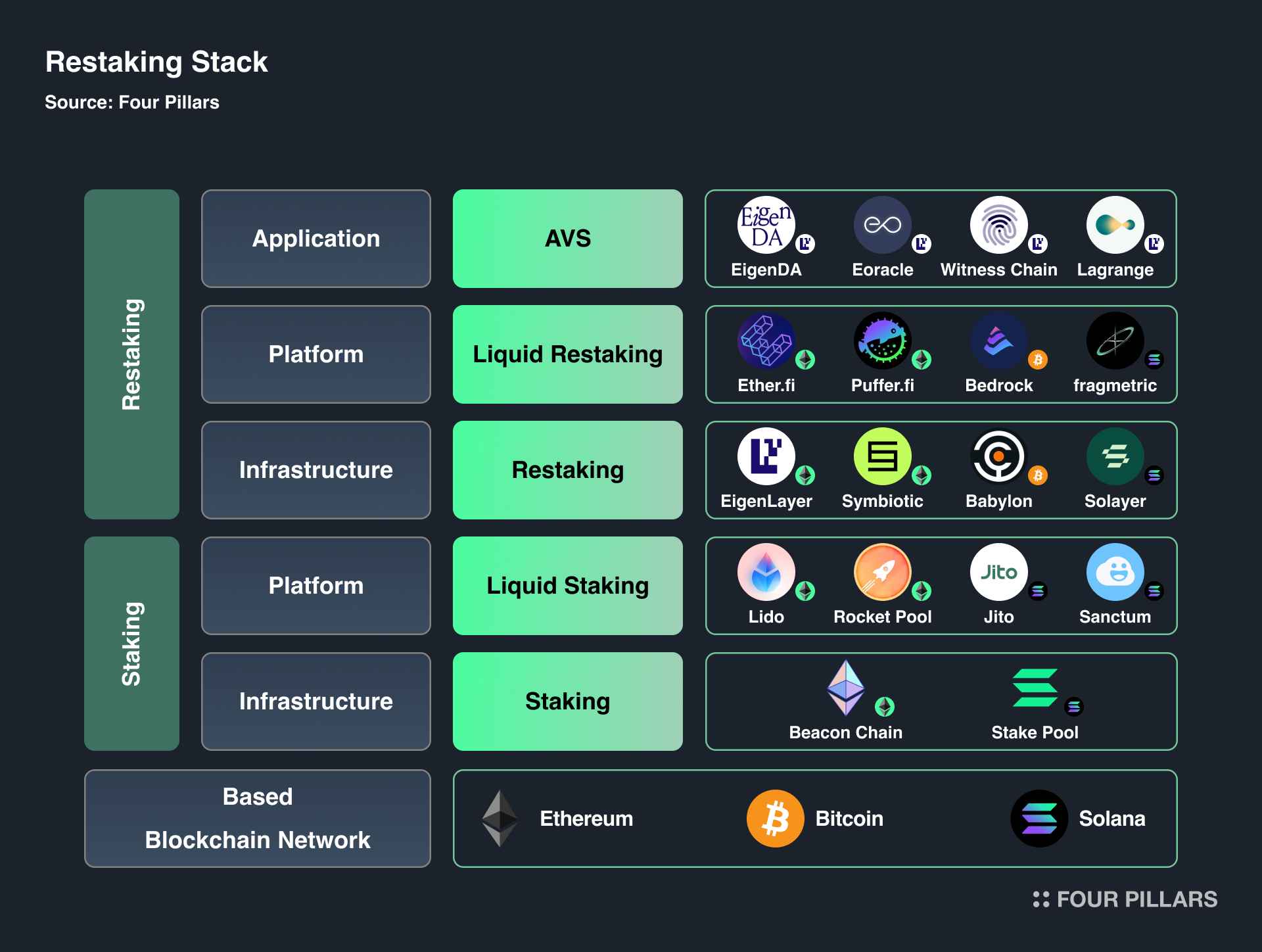
Restaking repurposes staked assets beyond native validation, securing AVSs like bridges and rollups across chains. By 2026, Ethereum’s LSTs – think stETH or similar – fluidly migrate to Solana, where they bolster dApps amid 290 million SOL staked at $56 billion scale. Picasso Network leads here, its Layer 1 IBC protocol enabling seamless multi-asset restaking. EigenLayer’s cross-chain push integrates staked SOL equivalents, pooling Ethereum liquidity into Solana’s ecosystem for compounded APYs.
Opinion: Solana’s 2026 roadmap – predictable finality and institutional resilience per Blockdaemon – tempers its speed-first rep, but Ethereum’s battle-tested security remains the anchor. Blindly chasing Solana yields ignores composability risks; always audit slashing vectors first.
EigenLayer’s 2026 Solana Integration: Risks vs Rewards
| Aspect | Rewards ✅ | Risks ⚠️ |
|---|---|---|
| Yield Optimization | Extra rewards from securing AVSs on Solana with restaked ETH/SOL | Slashing penalties from validator errors across chains |
| Shared Security | Pooled ETH and SOL stakes enhance security for diverse services | Expanded attack surface and cross-chain vulnerabilities |
| Capital Efficiency | Reuse staked assets between Ethereum and Solana | Illiquidity risks and prolonged unbonding periods |
| Interoperability | Seamless bridging for restaking ETH assets on Solana AVSs | Bridge exploits and failed cross-chain transfers |
| Protocol Innovation | Supports Solana’s predictable finality and institutional resilience | Smart contract bugs in new EigenLayer-Solana integrations |
| Market Exposure | Boosted yields amid Solana’s ~$56B staked ecosystem | Asset value volatility impacting rewards and principal |
Evaluating Protocols: Picasso, EigenLayer, and Solana Natives
Select protocols with proven audits and TVL depth. Picasso excels in IBC-secured bridging, letting you restake SOL derivatives for AVS rewards. EigenLayer’s shared model slashes redundancy, while Solana’s Solayer (Binance Labs backed) and Cambrian offer endogenous security marketplaces. Solayer delegates to priority validators; Cambrian’s SDK streamlines dApp protection.
- Picasso: Multi-chain focus, Ethereum-Solana bridge with economic stability from $56B SOL stake.
- EigenLayer: AVS diversity, cross-chain consensus layers.
- Solayer/Cambrian: Solana-native, app-specific staking for tx priority.
Cross-reference DEXTools and MEXC insights: Prioritize bridges like Bitget or Coinbase for low-fee Ethereum-Solana swaps, but layer restaking atop them demands extra scrutiny. Coin Bureau’s 2026 staking review flags unbonding times and LST options as yield optimizers.
Initial Setup: Staking Ethereum Assets Securely
Begin conservatively. Stake ETH into LSTs on Ethereum via audited platforms – Lido or Rocket Pool derivatives shine for liquidity. Deposit into your chosen restaking protocol, say EigenLayer dashboard. Confirm integration with Solana via Picasso’s IBC channel.
Monitor via real-time analytics; OSL’s Ethereum vs. Solana comparison underscores security trade-offs. Ethereum’s finality protects principal; Solana accelerates rewards but amplifies volatility exposure. Balance with position sizing under 10% portfolio max.
Next, bridge preparation demands precision. Verify wallet compatibility – Phantom for Solana, MetaMask for Ethereum. Test micro-transactions to gauge fees, per Bitget’s 2026 bridge guide. Risks loom: smart contract exploits, oracle failures, chain congestion. Token Metrics warns of governance attacks in top DeFi protocols; vet AVS operators rigorously.
Eco’s Solana DeFi rundown highlights top protocols like Jito for restaking liquidity. AInvest notes withdrawal flexibility trumps raw APY; slashing threats from validator downtime hit harder cross-chain. My mantra: Risk managed is yield maximized. Proceed only post-checklist clearance.
With setup locked in, the bridge phase exposes your assets to the wildest risks: liquidity mismatches and exploit vectors. DEXTools warns of persistent cross-chain pitfalls even in 2026, from oracle manipulations to bridge hacks. Opt for battle-tested options like Bitget or Coinbase Wallet bridges, which boast sub-minute Ethereum-Solana transfers at minimal fees. Simulate the flow first – wrap ETH into LSTs, approve the bridge contract, then execute. Picasso’s IBC layer adds atomic security, ensuring assets don’t float in limbo.
Bridging and Restaking: The Execution Sequence
Handover demands precision. Post-Ethereum staking, initiate the cross-chain transfer via your protocol’s interface. EigenLayer dashboards now feature one-click Solana delegation; Picasso prompts IBC channel selection for Ethereum LSTs. On Solana arrival, auto-restake into AVSs – Jito for liquidity pools, Solayer for validator priority. Expect 15-25% APY uplifts, per Coin Bureau benchmarks, but factor unbonding delays up to 7 days on Solana.
Solana’s DeFi surge, as Eco charts, pairs restaking with protocols like Marginfi for leveraged yields, but institutional guides from Blockdaemon stress finality guarantees over raw TPS. My take: Ethereum’s security pedigree buys time; Solana’s speed tempts overexposure. Cap bridges at 5% portfolio per transaction to weather flash crashes.
Risk Mitigation Framework: Slashing, Volatility, and Beyond
Slashing hits cross-chain hardest – a Solana validator fault could torch Ethereum LSTs via shared liability. AInvest flags volatility as the silent killer; pair restaking with stablecoin hedges. MEXC’s bridge eval framework scores on TVL (> $500M ideal), audit recency, and insurance funds. Token Metrics dissects DeFi exploits: composability chains amplify one weak link. Diversify AVSs; never exceed 20% in experimental ones like Cambrian middleware.
Position management seals the deal. Dashboards from Crosschainrestaking. com track real-time yields, slashing alerts, and rebalance prompts. OSL’s security-speed debate favors hybrids: Ethereum for core holdings, Solana for tactical plays. In practice, I’ve tailored portfolios yielding 18% net of risks, blending Picasso stability with Solayer edge.
Cross-chain restaking thrives on vigilance. Ethereum’s depth funds Solana’s ambition, but only conservative sizing unlocks sustainable alpha. Scale gradually, audit relentlessly, and let shared security models compound your edge in this multi-chain arena.