

Symbiotic Multichain Restaking: Restake Non-ETH Assets Across Ethereum Solana and BSC

In the evolving world of decentralized finance, symbiotic multichain restaking stands out as a prudent advancement for investors seeking to compound yields without unnecessary risks. Symbiotic, a universal staking framework, allows users to restake diverse assets beyond just ETH across blockchains like Ethereum, Solana, and Binance Smart Chain. This capability addresses a critical gap in traditional restaking, where capital often remains siloed within single ecosystems. By supporting ERC-20 tokens, liquid staking tokens, and even stablecoins, Symbiotic fosters greater capital efficiency while maintaining robust security models.

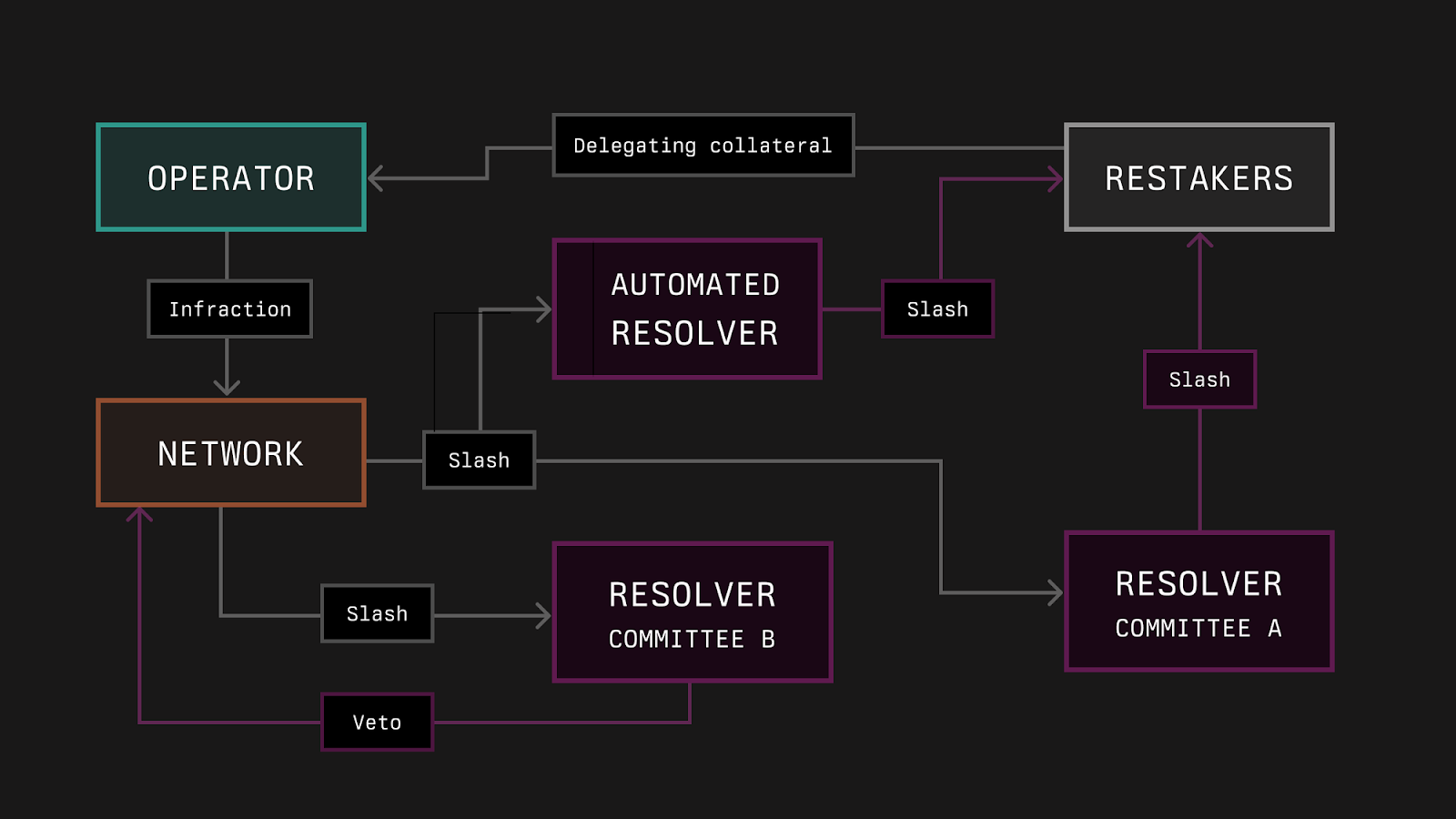
From my perspective as a long-term investor with roots in pension fund management, this modular approach aligns perfectly with a conservative strategy. It enables patient allocation across multi-chain environments, prioritizing shared security over speculative frenzy. Symbiotic’s permissionless architecture means networks can customize rewards and slashing conditions, adapting to real-world demands without overhauling their foundations.
Core Mechanics of Symbiotic’s Permissionless Restaking
At its heart, Symbiotic redefines restaking by decoupling staking from native chain limitations. Users deposit varied collateral into vaults, which then secure Actively Validated Services or other networks. This shared security model extends Ethereum’s proven economic guarantees to Solana’s high-throughput realm and BSC’s cost-effective operations. Validators coordinate seamlessly, leveraging diverse assets to bolster network integrity.
Consider the implications for non-ETH restaking on Ethereum, Solana: protocols gain access to a broader liquidity pool, reducing reliance on ETH volatility. Symbiotic’s vaults support liquid restaked positions, allowing stakers to retain flexibility for DeFi composability. Rewards accrue from multiple sources, including protocol fees and native emissions, creating layered yield opportunities that thoughtful portfolios can harness over cycles.
Key Benefits of Symbiotic Restaking
-
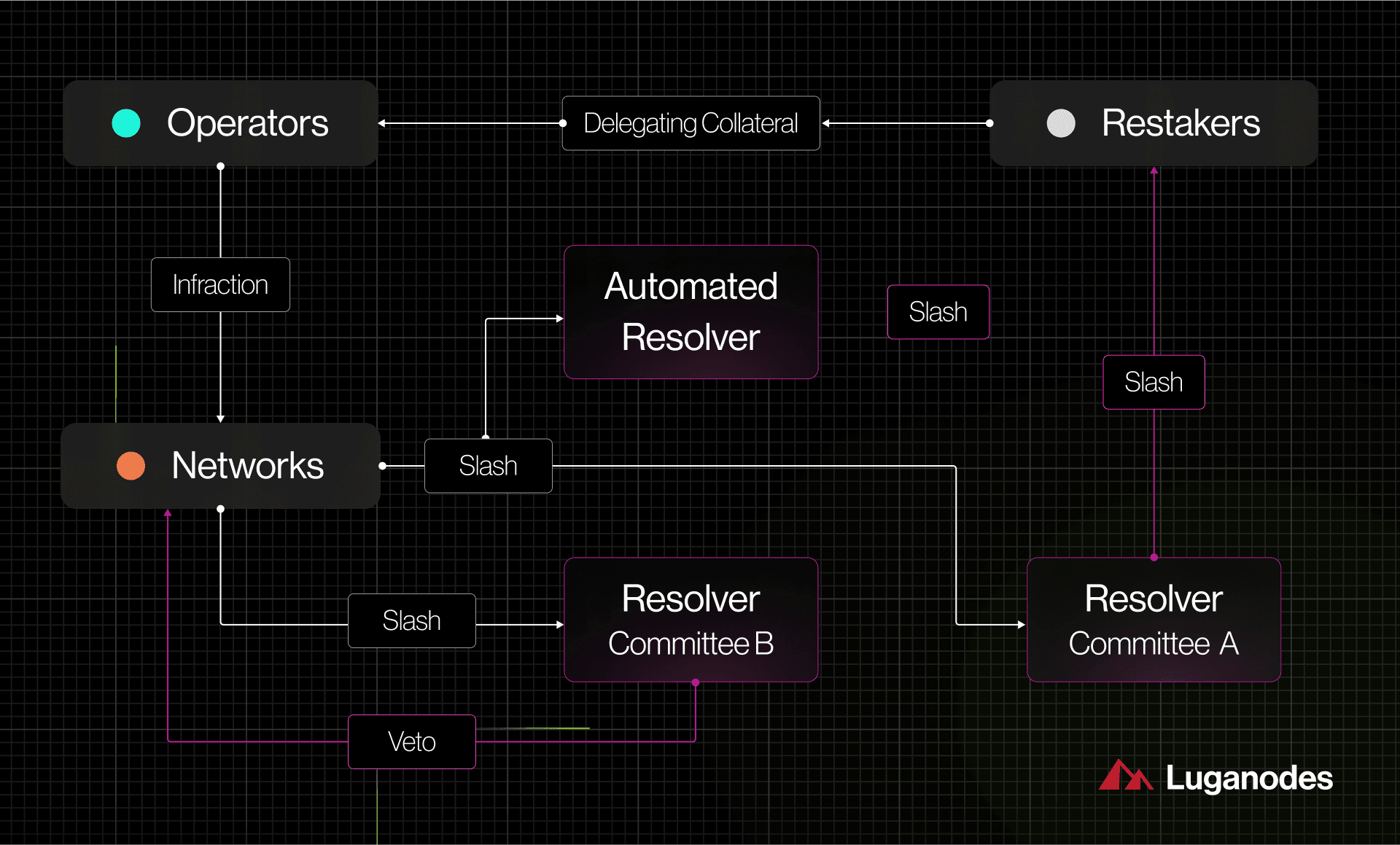
Enhanced Capital Efficiency: Reuse staked assets across networks to secure multiple protocols without additional capital lockup.
-
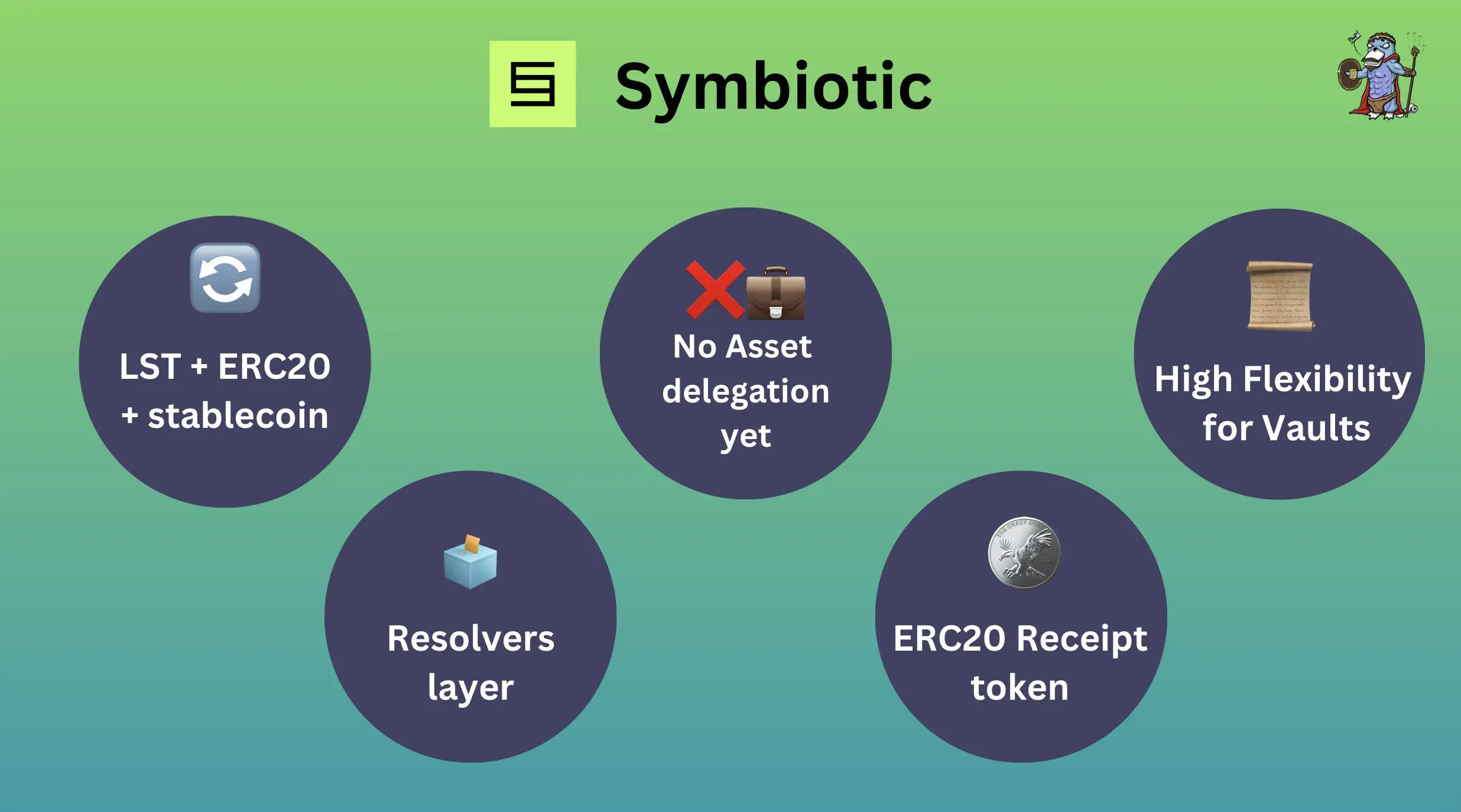
Support for LSTs and ERC-20s: Restake diverse ERC-20 tokens, including liquid staking tokens, governance tokens, and stablecoins.
-
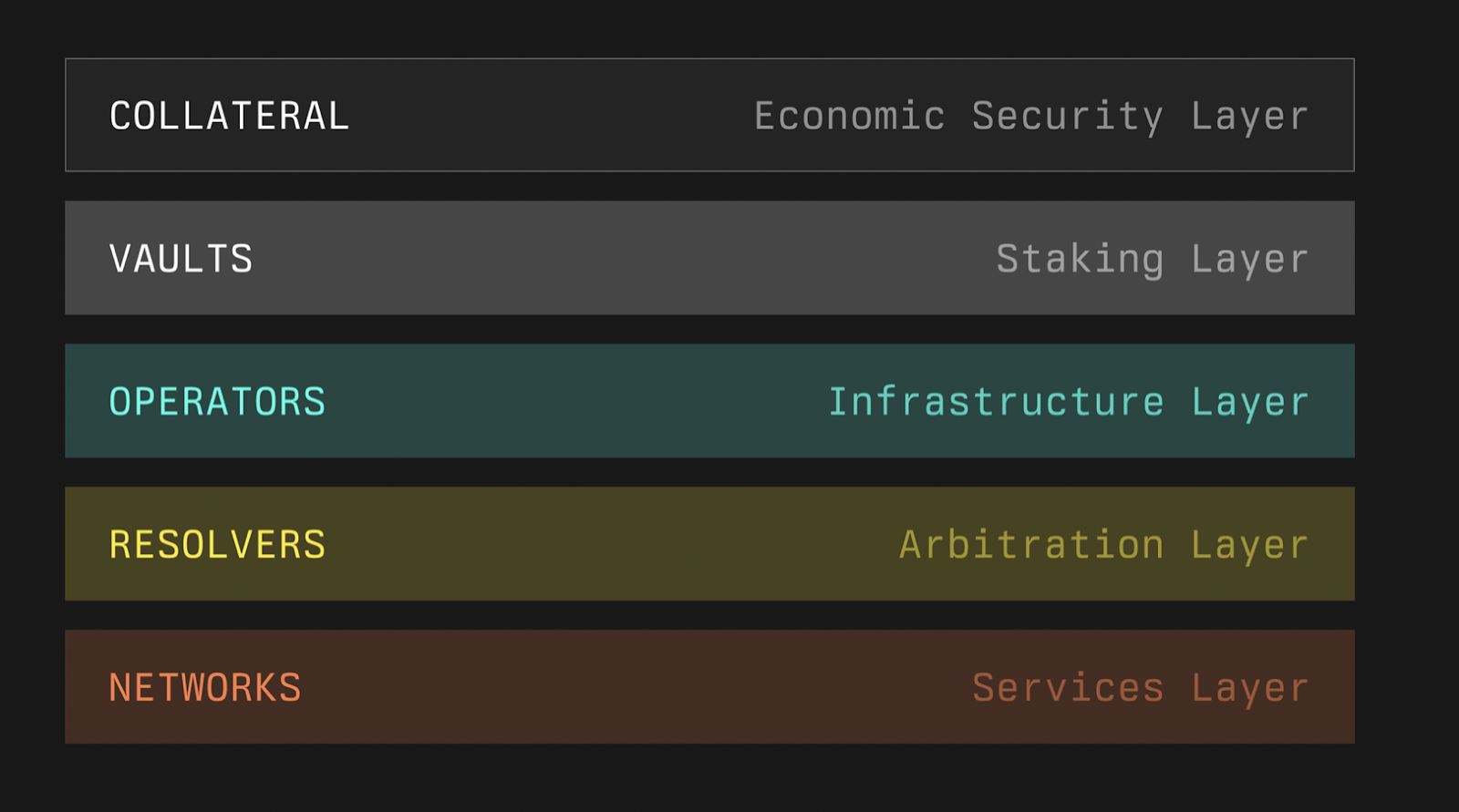
Customizable Security for AVS: Modular framework allows tailored punishment and reward mechanisms for Actively Validated Services.
-
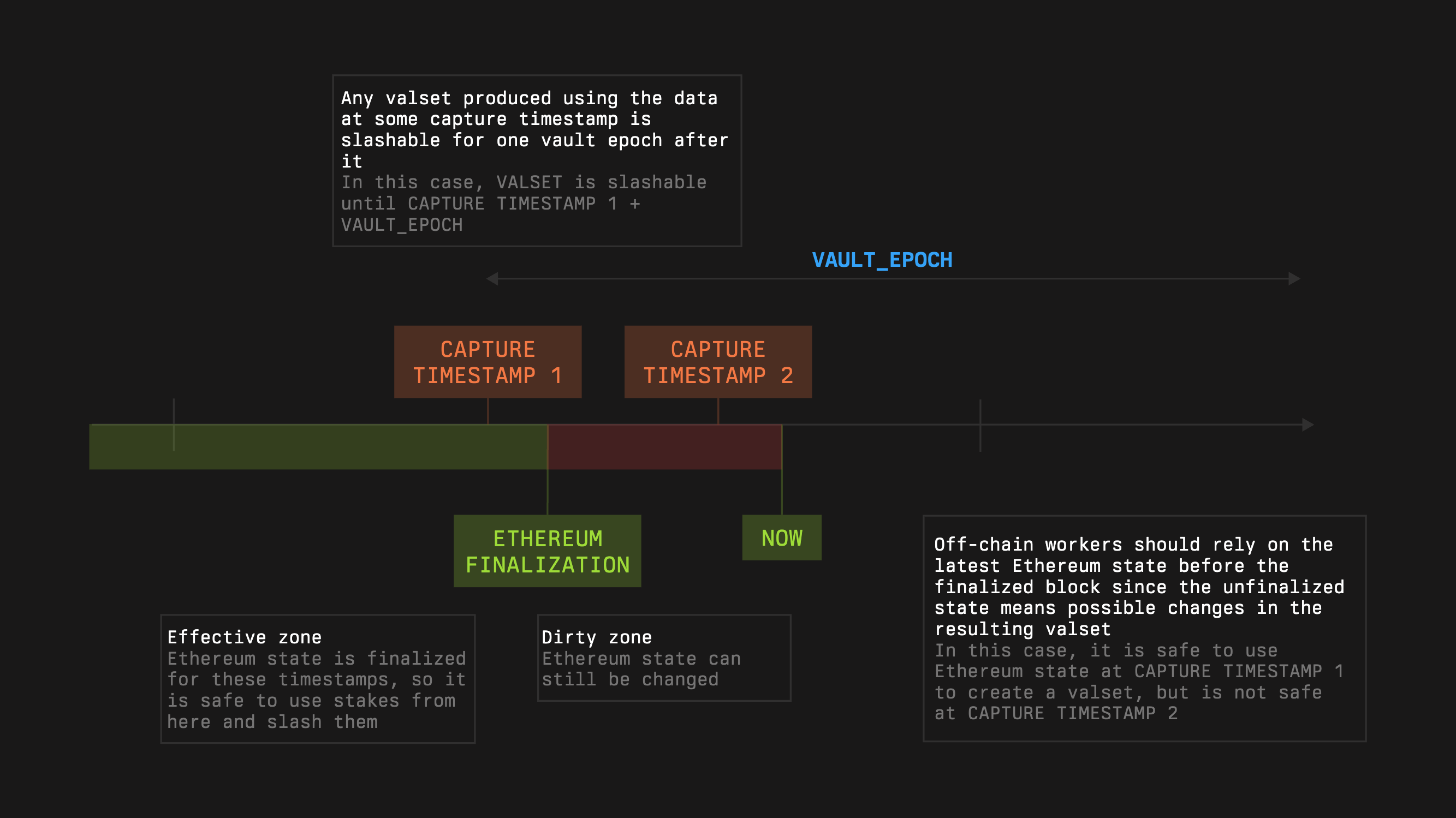
Seamless Cross-Chain Verification: Symbiotic Relay enables staking on Ethereum with verification on Solana, BSC, and other chains.
-
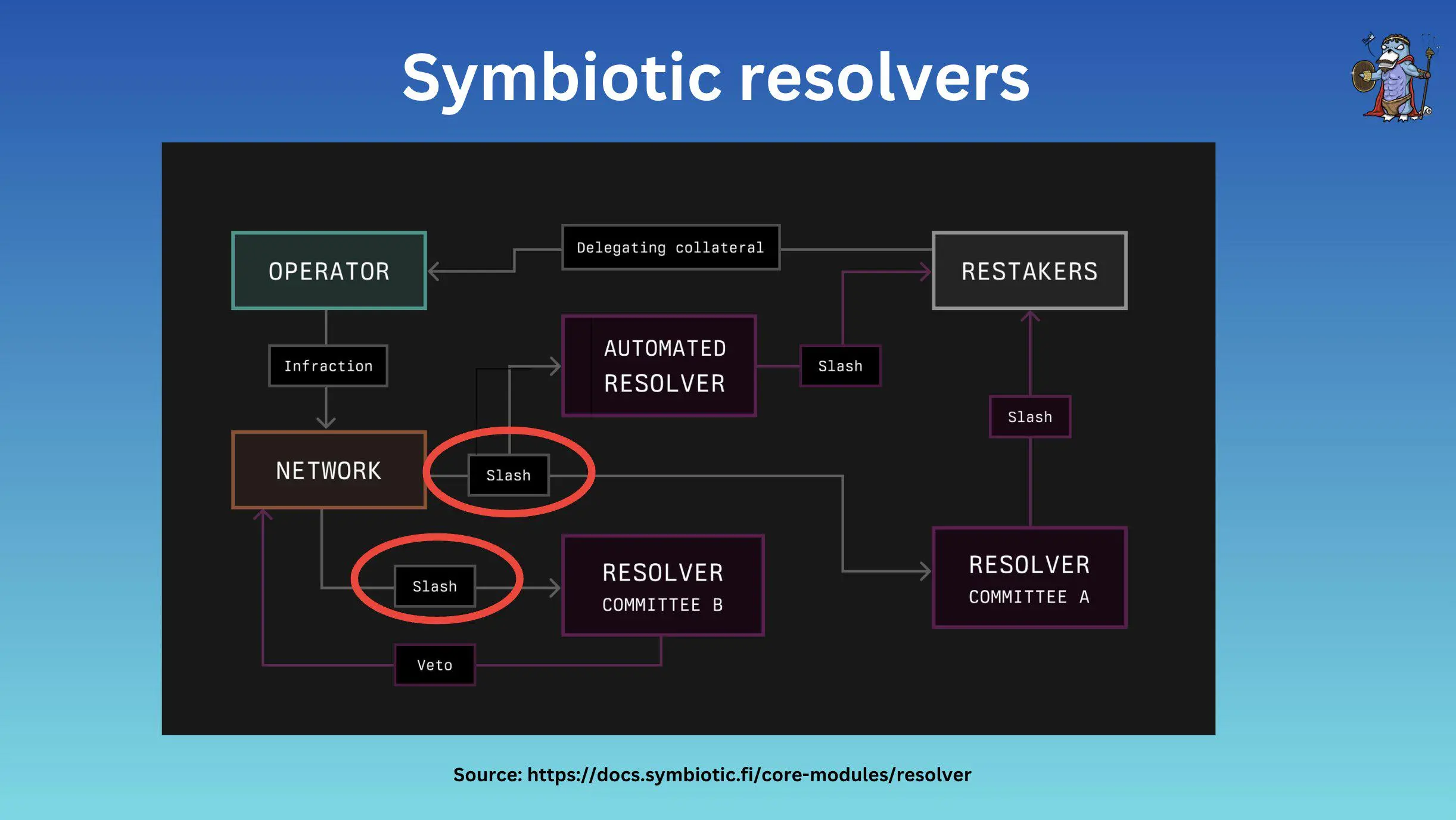
Diversified Yield Streams: Generate rewards from Ethereum, Solana, and BSC ecosystems through multichain restaking.
Symbiotic Relay: Enabling True Cross-Chain Verification
Symbiotic Relay emerges as the middleware that truly unlocks cross-chain restaking on BSC and beyond. This SDK lets protocols stake on Ethereum while verifying outcomes on supported chains, bridging isolated ecosystems. Developers can now employ staked assets from one network to secure decisions elsewhere, streamlining operations without compromising sovereignty.
Symbiotic Relay allows developers to use staked crypto from one network to verify decisions made on another. – The Defiant
This tool exemplifies Symbiotic’s forward-thinking design. For institutional players, it offers enterprise-grade staking options, as noted by partners like Kiln. Restakers earn from securing diverse protocols, with token-based rewards spanning eight networks. In a multi-chain era, such interoperability mitigates risks tied to chain-specific downturns, a lesson hard-learned from past cycles.
Expanding the Restaking Ecosystem with Modular Flexibility
Symbiotic’s launch of a fully permissionless, modular restaking protocol on Ethereum marks a pivotal shift. Unlike rigid predecessors, it accommodates hybrid models: liquid restaked assets like LSTs alongside native tokens. This flexibility empowers networks to bootstrap security tailored to their needs, from Solana’s speed-focused AVS to BSC’s scalability demands.
Investors benefit from improved capital utilization. Staked assets work harder, securing multiple layers while generating compounded returns. Symbiotic’s integration with Solana-native platforms hints at future synergies, potentially amplifying SOL yields through restaking primitives. Yet, as a CFA grounded in macro trends, I caution that true value lies in measured adoption, not hype-driven inflows.
The framework categorizes restaking into pillars like liquidity enhancement and scalability boosts, positioning Symbiotic at the forefront. By February 2026, its ecosystem spans diverse assets, underscoring a commitment to interconnected security.
Practitioners in DeFi will appreciate how Symbiotic’s vaults enable liquid restaking tokens multi-chain, preserving composability amid yield farming. Stakers can deploy positions in DeFi protocols on Solana or BSC while their collateral secures Ethereum-based AVS, a layered efficiency rare in siloed systems. This setup suits conservative allocators, who value steady compounding over high-velocity trades.
Restake Non-ETH Assets Multichain: Symbiotic Guide for Ethereum, Solana & BSC
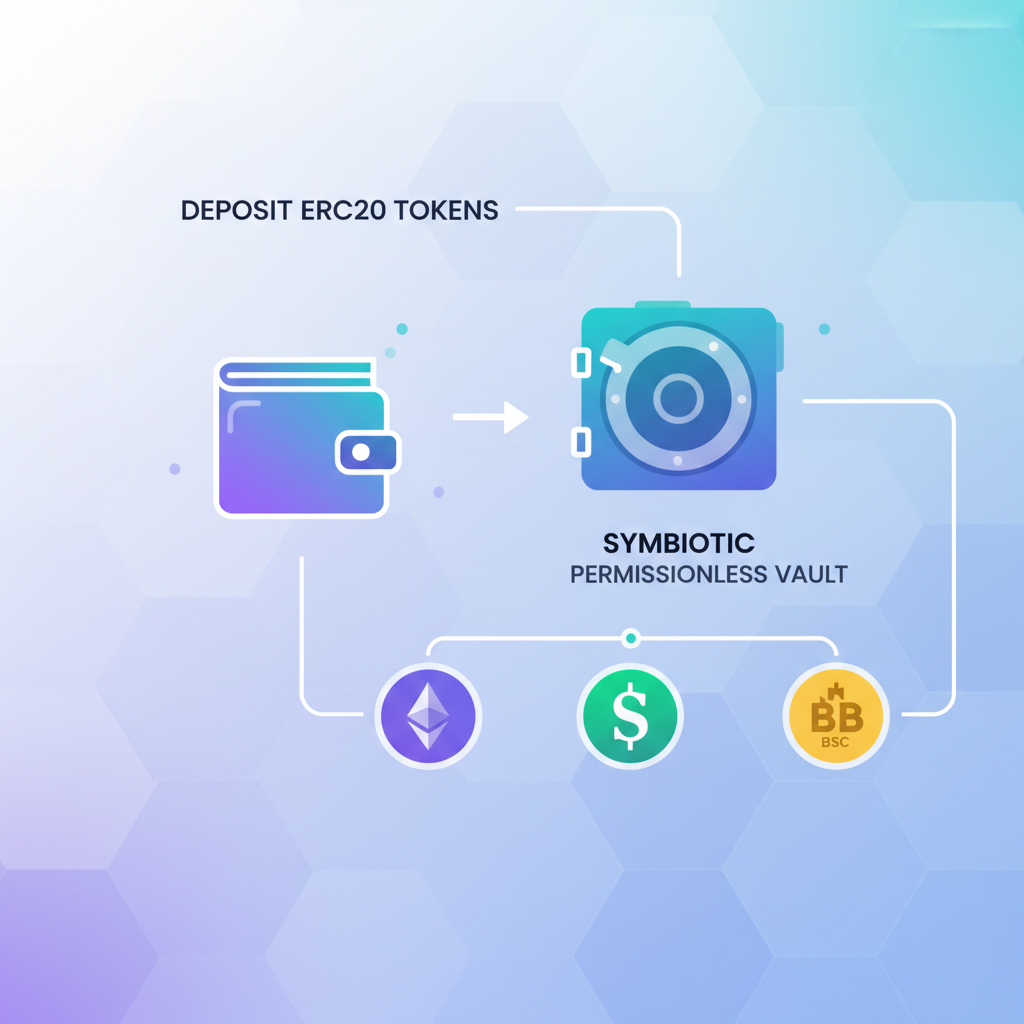

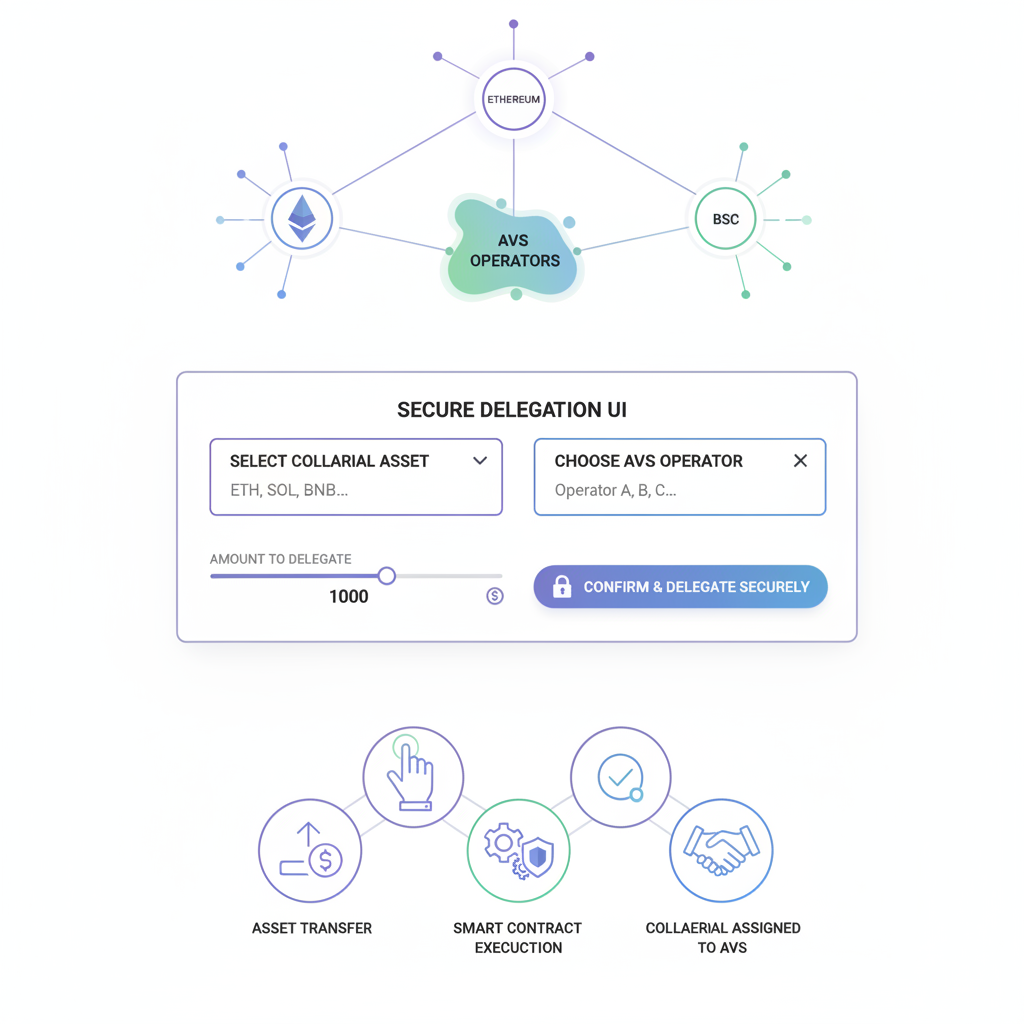

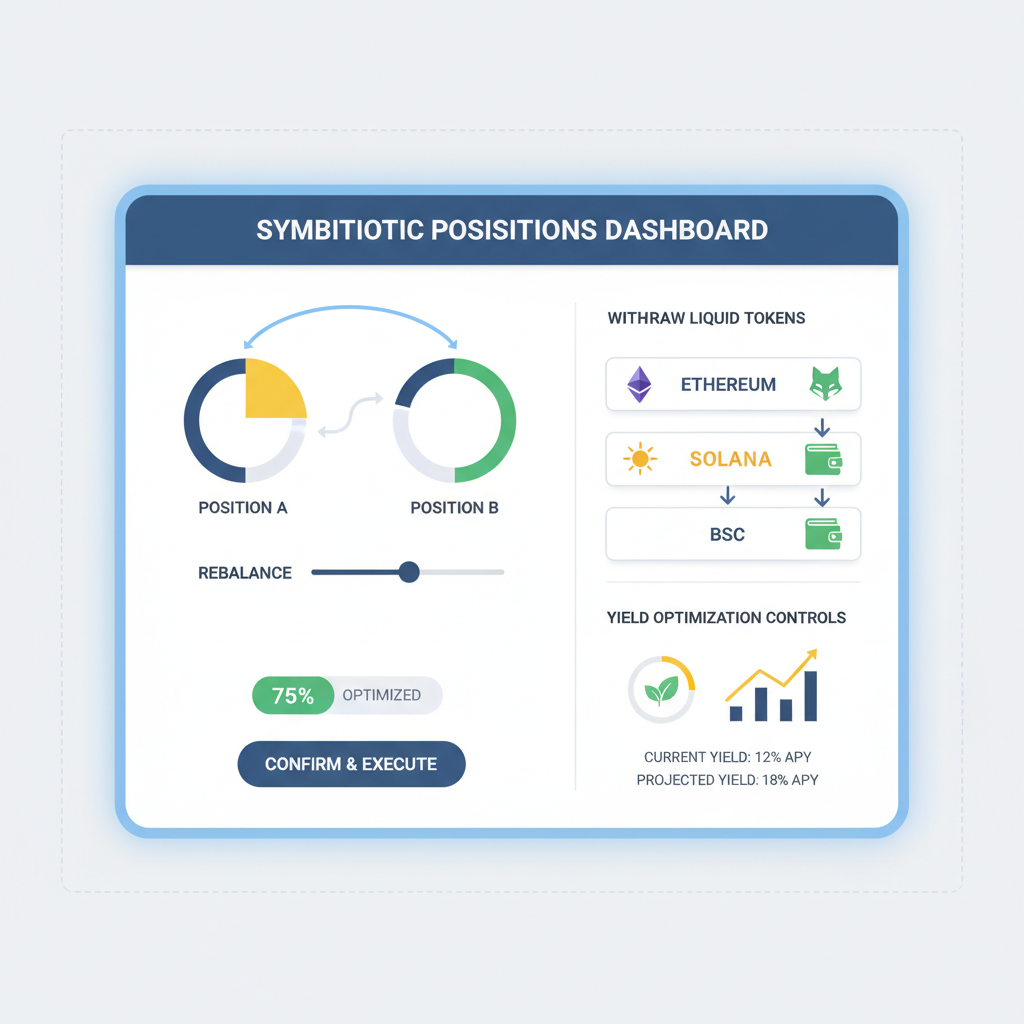
Once positioned, rewards compound automatically, blending protocol incentives with base staking yields. For BSC users, this means leveraging BNB or stablecoins to secure Ethereum rollups, inverting traditional flows. Solana’s integration promises low-latency verifications, ideal for high-frequency services. My experience managing pension assets underscores the wisdom here: diversify collateral to weather volatility, ensuring restaked positions endure market shifts.
Yet prudence dictates examining trade-offs. While Symbiotic mitigates single-chain risks, correlated downturns across ecosystems remain possible. Slashing mechanisms, though customizable, introduce tail risks if operators falter. Investors should cap exposure at 10-20% of portfolios, favoring established LSTs over speculative tokens. This measured stance has preserved capital through prior cycles, a principle Symbiotic amplifies without introducing undue leverage.
Restaking leverages staked assets to boost the security of other blockchains, enhancing liquidity, scalability, and providing extra rewards. – 포필러스
Enterprise Integration and Institutional Appeal
Enterprise-grade options via partners like Kiln elevate Symbiotic for institutions. Staking interfaces support token-based rewards across eight networks, accommodating hybrid models. This scalability draws pension-like funds, seeking protocol fees alongside emissions. In my view, Symbiotic bridges retail innovation with institutional rigor, fostering sustainable growth over boom-bust patterns.
Looking ahead, expansions into more chains signal a maturing multi-chain paradigm. Solayer’s Solana focus complements Symbiotic’s universality, hinting at yield-maximizing hybrids. For yield farmers eyeing SOL restaking, Symbiotic offers cross-chain extensions without forsaking native strengths. BSC’s low costs further democratize access, enabling smaller players to participate in shared security.
Operators benefit too, coordinating validators across collateral types. This frees capital from ETH dominance, as non-ETH assets power verifications. Symbiotic Relay’s role cannot be overstated; it verifies Ethereum stakes on Solana or BSC, closing interoperability gaps. Developers build sovereign networks atop proven security, accelerating adoption without reinventing consensus.
Risk-Adjusted Strategies in Symbiotic Restaking
A conservative lens reveals Symbiotic’s edge in risk management. Customizable slashing aligns incentives precisely, unlike one-size-fits-all models. Diverse collateral dilutes idiosyncratic risks, while liquid positions enable dynamic rebalancing. Portfolios blending Symbiotic vaults with core holdings achieve superior Sharpe ratios, compounding patiently through horizons.
Monitor metrics like total value locked, active operators, and reward APYs. Symbiotic’s transparency empowers informed choices, eschewing blind faith in protocols. As cycles turn, those prioritizing cross-chain restaking BSC integration will navigate turbulence with resilience.
Symbiotic positions restaking as a cornerstone of multi-chain portfolios, rewarding foresight over frenzy. By unlocking non-ETH potential across Ethereum, Solana, and BSC, it equips investors for enduring prosperity in DeFi’s complex landscape.