
Cross-Chain Restaking on Ethereum Solana and BNB Chain: Maximize Yields with Liquid Tokens

Cross-chain restaking ethereum solana setups are reshaping how investors chase yields in DeFi, blending liquidity with compounded rewards across ecosystems. Picture this: your ETH staked on Ethereum earns baseline yields, but then gets redeployed via liquid tokens to secure Solana validators or BNB Chain apps, all without locking up capital. This isn’t hype; it’s a strategic pivot unlocking multi-chain liquid restaking bnb opportunities that savvy players are exploiting right now.

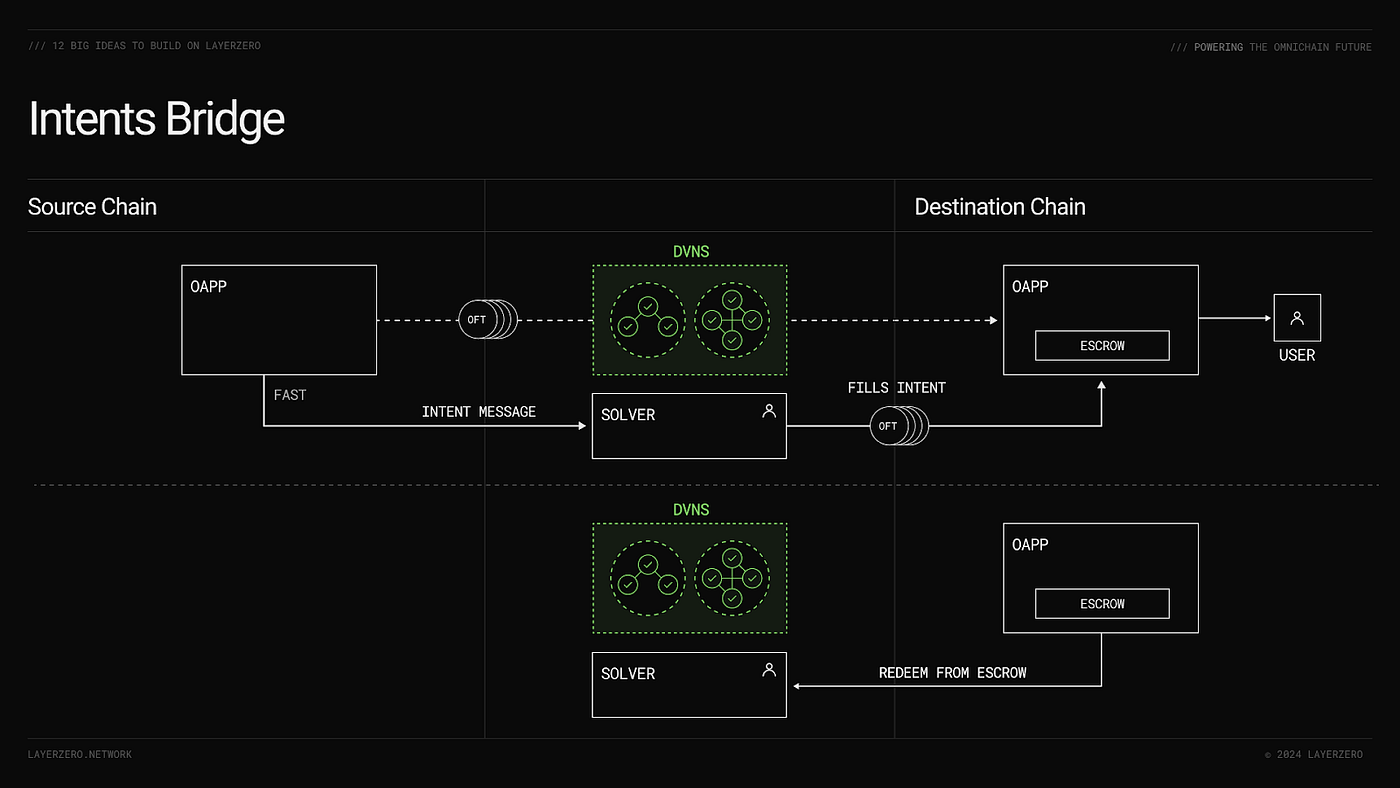
Traditional staking silos assets on single chains, exposing portfolios to isolated risks and suboptimal APYs. Cross-chain restaking flips the script. Protocols issue liquid staking tokens (LSTs) or liquid restaking tokens (LRTs) that represent staked positions, letting users trade, lend, or restake them elsewhere. EigenLayer pioneered this on Ethereum, but expansions to Solana and BNB Chain via projects like Renzo and Kernel amplify the game. Yields stack from native staking plus Actively Validated Services (AVS) or Non-Consensus Nodes (NCNs), often hitting double digits while shared security bolsters network resilience.
Ethereum as the Restaking Anchor
Ethereum remains the bedrock for restaking yields ethereum bnb chain strategies, with its mature LST infrastructure feeding into cross-chain plays. Renzo Protocol stands out here, building on EigenLayer to manage multi-chain liquid restaking tokens. Users deposit ETH or SOL LSTs and receive ezETH, a token mirroring positions across 11 chains including Solana and Binance Smart Chain. This diversification isn’t just theoretical; it hedges against chain-specific downturns while capturing varied yield sources.
Renzo’s approach shines in yield arbitrage. Stake ETH, get ezETH, bridge to Solana DeFi for lending boosts, or loop back into BNB for high-APY farms. Recent surges in Ethereum’s LRT sector, with EtherFi alone holding hundreds of millions in TVL, underscore the momentum. Yet Ethereum’s gas fees and congestion push innovators toward hybrid models, where cross-chain restaking ethereum solana bridges like Wormhole or Across enable seamless flows without full exits.
Solana’s High-Speed Restaking Edge
Solana flips the speed narrative, turning its blistering throughput into a restaking powerhouse. Fragmetric leads with fragSOL, Solana’s inaugural native LRT. Stake SOL or LSTs like jitoSOL, mSOL, or BNSOL, and earn dual rewards: core staking plus NCN/AVS revenues distributed via transfer hooks. This tech minimizes overhead, making yields more efficient than Ethereum’s compute-heavy setups.
Key Solana Restaking Protocols
-

Fragmetric: Launches $fragSOL, Solana’s first native Liquid Restaking Token for staked SOL or LSTs like $jitoSOL, $mSOL. Delivers staking rewards + restaking revenues from NCNs/AVS via transfer hooks, boosting liquidity for DeFi use.
-

Kyros: Solana liquid restaking layer with $49M TVL and broad DeFi integrations. Coordinates builders for economic security while unlocking yield opportunities and secondary market liquidity for users.
Complementing this, Kyros acts as Solana’s liquid restaking layer, linking builders needing economic security with yield hunters. Over $49 million TVL reflects real adoption, fueled by deep DeFi composability. Users restake LSTs for AVS-like protections on Solana apps, then deploy tokens in DEXs or lending pools. For avs cross chain restaking, Solana’s edge lies in low costs and instant finality, letting portfolios rotate yields faster than Ethereum-centric strategies.
BNB Chain’s Multi-Asset Powerhouse
BNB Chain surges as the cross-chain restaking hub, blending BNB’s ecosystem depth with BTC derivatives. Kernel dominates, offering multi-asset restaking that has eclipsed $2 billion TVL. Deposit BNB or wrapped BTC, receive liquid tokens for DeFi deployment across chains. This scale positions BNB as the liquidity nexus, where solana ethereum restaking protocols converge for unified yields.
Stader Labs bolsters this ecosystem with BNBx, a liquid staking token that unlocks BNB’s staking APY while fueling DeFi composability. Traders stake BNB, snag BNBx, and deploy it in cross-chain farms or lending markets, layering yields from Ethereum LSTs bridged over. BNB Chain’s low fees and EVM compatibility make it the ideal aggregator, pulling in multi chain liquid restaking bnb flows that Ethereum and Solana alone can’t match.
Comparison of Top Cross-Chain Restaking Protocols
| Protocol | Primary Chain | Liquid Token | Key Features | TVL |
|---|---|---|---|---|
| Renzo | Ethereum | ezETH | Multi-chain LSTs across 11 chains including Ethereum, Solana, and BNB Chain; built on EigenLayer | |
| Fragmetric | Solana | fragSOL | Solana-native LRT for staked SOL or LSTs (jitoSOL, mSOL, BNSOL); NCN rewards and AVS via transfer hook technology | N/A |
| Kernel | BNB Chain | N/A | Cross-chain multi-asset restaking with BNB and BTC derivatives | $2B |
| Stader | BNB Chain | BNBx | Liquid staking for BNB; earn staking APY while maintaining liquidity in DeFi ecosystem | N/A |
Bridging Chains for Unified Yields
Seamless cross chain restaking ethereum solana demands robust bridges, turning fragmented ecosystems into a yield superhighway. Wormhole and Across lead here, shuttling LSTs like ezETH or fragSOL with minimal slippage and fortified security. Imagine restaking ETH on EigenLayer, bridging to Solana via Wormhole for Kyros yields, then looping to BNB’s Kernel pools, all while LSTs accrue value in real-time. This isn’t mere transfer; it’s arbitrage at scale, exploiting APY differentials across chains.
Protocols like Renzo natively support 11 chains, issuing unified LRTs that abstract away bridge risks. Yet the real edge emerges in shared security models. AVSs on Ethereum extend to Solana NCNs via cross-chain proofs, creating a meta-layer where one stake secures multiple networks. Investors chasing restaking yields ethereum bnb chain should prioritize protocols with audited bridges and MEV resistance, as 2026 data shows bridges handling billions in TVL without major exploits.
Strategic Plays and Risk Calibration
Deploying capital strategically separates yield tourists from architects. Start with Ethereum as anchor, Renzo’s ezETH offers baseline stability, then allocate 30% to Solana’s speed via Fragmetric for NCN pops, and 20% to BNB’s Kernel for BTC-hybrid leverage. This trinity captures diverse rewards: Ethereum’s mature AVSs, Solana’s low-latency distributions, BNB’s volume-driven farms. Opinion: Over-reliance on one chain invites correlated crashes; cross-chain spreads risk while compounding edges.
Risks loom, though. Smart contract vulnerabilities top the list, followed by bridge centralization and LST depegs. Kernel’s $2B TVL proves resilience, but unbonding delays on Ethereum can tie up capital during volatility. Mitigate with position sizing, no more than 10% per protocol, and real-time dashboards tracking TVL, APY, and slash events. 2026’s institutional inflows, per Everstake outlooks, will stress-test these systems, rewarding protocols with modular governance and RWA integrations.
Solana’s Kyros exemplifies liquidity depth, with $49M TVL enabling seamless secondary trades. Pair it with BNBx for stablecoin-adjacent yields, or fragSOL for high-beta NCN bets. The calculus favors liquidity: LRTs trade at premiums during bull runs, amplifying total returns beyond raw APY.
Forward thinkers eye 2026’s horizon, modular chains and liquidity hubs will deepen avs cross chain restaking, blending Solana’s throughput with Ethereum’s security and BNB’s scale. Platforms like Crosschainrestaking. com already tool this up with analytics and one-click bridges. Position now: restake across Ethereum, Solana, BNB to harvest the multi-chain boom, turning silos into a unified profit engine.