

Cross-Chain Restaking Ethereum to Solana: Step-by-Step Yield Optimization Guide

Cross-chain restaking between Ethereum and Solana stands out as a calculated move for yield optimization in today’s DeFi environment, especially with Ethereum trading at $2,255.80 after a slight 24-hour dip of $24.70. This strategy lets investors deploy staked ETH across Solana’s high-throughput network, tapping into superior APYs while leveraging shared security models. Solana’s stake rate hovers at 70-80%, with liquid staking tokens making up about 10%, contrasting Ethereum’s more mature but slower ecosystem. Protocols like Renzo simplify this by issuing liquid restaking tokens such as ezETH and ezSOL, enabling simultaneous rewards on both chains without locking capital indefinitely.

Fundamentals of Restaking Across Ethereum and Solana
Restaking fundamentally reuses staked capital to secure additional networks beyond the base layer, a concept popularized by EigenLayer on Ethereum but now extending to Solana via platforms like Jito and Solayer. On Solana, where block times hit just 400 milliseconds and TPS scales to tens of thousands, restaking protocols capture MEV through optimized transaction ordering, boosting staker returns. Renzo abstracts the complexity, allowing users to mint ezSOL from SOL or bridged ETH equivalents, maintaining liquidity for further DeFi plays. Yet, from a fundamental standpoint, this isn’t mere yield chasing; it’s about diversified exposure in a multi-chain world. Solana’s protocols like Fragmetric, with $42 million TVL, integrate natively, offering restaking for SOL assets that Ethereum holders can access post-bridge.
I view this convergence skeptically yet optimistically: Ethereum’s institutional favoritism provides stability, while Solana’s speed unlocks efficiency. EigenLayer boasts over 100 networks building atop it, signaling robust shared security, but Solana’s Jito and Solayer emphasize validator coordination for economic resilience. The result? Layered yields that can compound, provided risks are managed conservatively.
Leading Protocols for ETH to Solana Yield Strategies
Renzo leads in cross-chain restaking Ethereum Solana integration, letting users restake ETH into ezETH, then bridge or swap toward ezSOL for Solana yields. Jito excels in MEV capture, enhancing base staking returns, while Solayer focuses on native Solana restaking with decentralized services. Other contenders like Picasso, Cambrian, and Fragmetric expand utility, securing AVS-like services on Solana. For multi-chain yield farming, these create pathways to restake ETH to Solana seamlessly, often via liquid staking tokens that preserve composability.
Consider the mechanics: deposit ETH into Renzo for ezETH, which accrues Ethereum staking rewards plus EigenLayer AVS points. Bridge to Solana or use wrappers to stake into Jito bundles or Solayer pools, earning SOL staking yields atop. This shared security restaking model amplifies capital efficiency, but demands scrutiny of protocol TVLs and audit histories. Solayer’s validator focus, for instance, mitigates centralization risks better than pure liquid staking plays.
Ethereum (ETH) Price Prediction 2027-2032
Amid Cross-Chain Restaking Growth with Solana and DeFi Yield Optimization
| Year | Minimum Price (USD) | Average Price (USD) | Maximum Price (USD) | YoY % Change (Avg from Prior Year) |
|---|---|---|---|---|
| 2027 | $2,000 | $3,500 | $6,000 | +40% (from 2026 est. $2,500) |
| 2028 | $2,800 | $5,200 | $9,500 | +49% |
| 2029 | $3,500 | $7,300 | $13,000 | +40% |
| 2030 | $4,500 | $10,200 | $17,000 | +40% |
| 2031 | $6,000 | $13,500 | $22,000 | +32% |
| 2032 | $7,500 | $16,800 | $26,000 | +24% |
Price Prediction Summary
Ethereum’s price is forecasted to experience steady growth from 2027-2032, driven by restaking protocols and cross-chain integrations with Solana. Average prices could rise from $3,500 in 2027 to $16,800 by 2032, with maximums reaching $26,000 in bullish market cycles, assuming continued DeFi adoption and technological advancements. Minimums account for bearish scenarios like regulatory hurdles or market corrections.
Key Factors Affecting Ethereum Price
- Expansion of restaking protocols (EigenLayer, Renzo, Jito, Solayer) boosting capital efficiency and yields
- Cross-chain strategies between Ethereum and Solana enhancing liquidity and TVL growth
- Ethereum’s institutional adoption and Proof-of-Stake improvements
- Solana’s high TPS and low latency complementing ETH for hybrid yield optimization
- Regulatory developments and potential clarity favoring DeFi
- Market cycles, competition from other L1s, and risks like slashing or impermanent loss
- Overall crypto market cap expansion enabling ETH to capture larger share
Disclaimer: Cryptocurrency price predictions are speculative and based on current market analysis.
Actual prices may vary significantly due to market volatility, regulatory changes, and other factors.
Always do your own research before making investment decisions.
Navigating Risks Before Executing Your Strategy
No yield optimization guide ignores the downside, and cross-chain restaking Ethereum Solana is no exception. Stacked risks loom large: validators reusing assets across protocols invite slashing cascades, while bridging introduces smart contract vulnerabilities and impermanent loss from liquidity provision. Critics rightly flag synthetic yields that evaporate in bear markets, urging a conservative allocation cap, say 20% of portfolio to experimental restaking.
Current dynamics amplify caution; Ethereum at $2,255.80 reflects measured PoS maturity, but Solana’s velocity heightens volatility exposure. Prioritize protocols with proven track records: Renzo’s abstraction reduces user error, Jito’s MEV is battle-tested, Solayer stresses economic security. Always assess correlation risks; a Solana outage cascades less to Ethereum, but shared LRTs bind fates. My advice as a 15-year asset manager: model worst-case scenarios, diversify across three protocols minimum, and monitor real-time slashing events.
Step 1: Setting Up for Cross-Chain Deployment
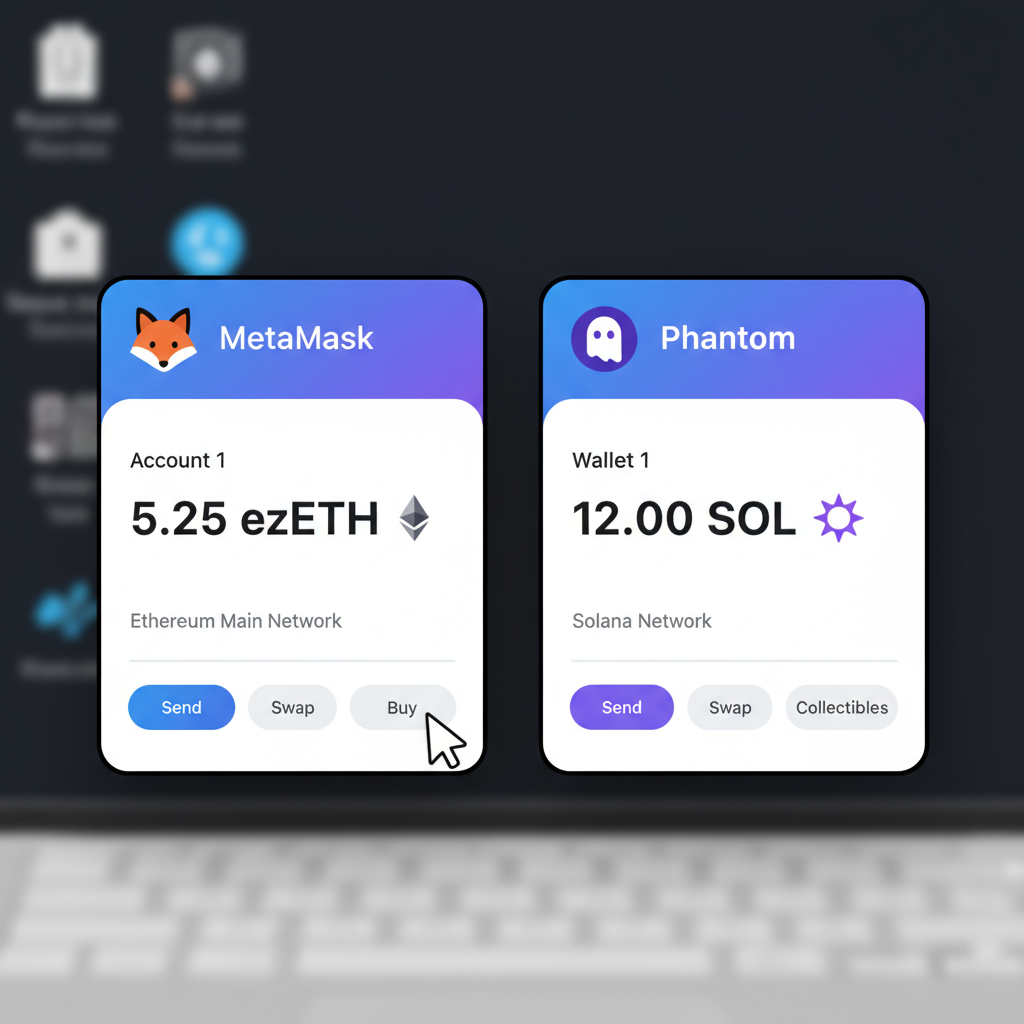
Begin with wallet preparation. Use a hardware wallet like Ledger for Ethereum, paired with Phantom for Solana, ensuring seed phrase security. Fund your Ethereum wallet with ETH at prevailing rates around $2,255.80, allocating conservatively based on risk tolerance. Bridge assets via audited wormhole or LayerZero protocols, but verify liquidity depths first to minimize slippage. Acquire SOL if needed through DEX swaps, targeting stablecoin pairs for precision.
Next, interact with Renzo’s dashboard: connect wallet, deposit ETH to mint ezETH. This liquid token tracks staking rewards automatically. Track gas fees, as Ethereum’s can spike; time transactions during low congestion. Verify ezETH balance reflects principal plus accruals before proceeding to Solana-side restaking.
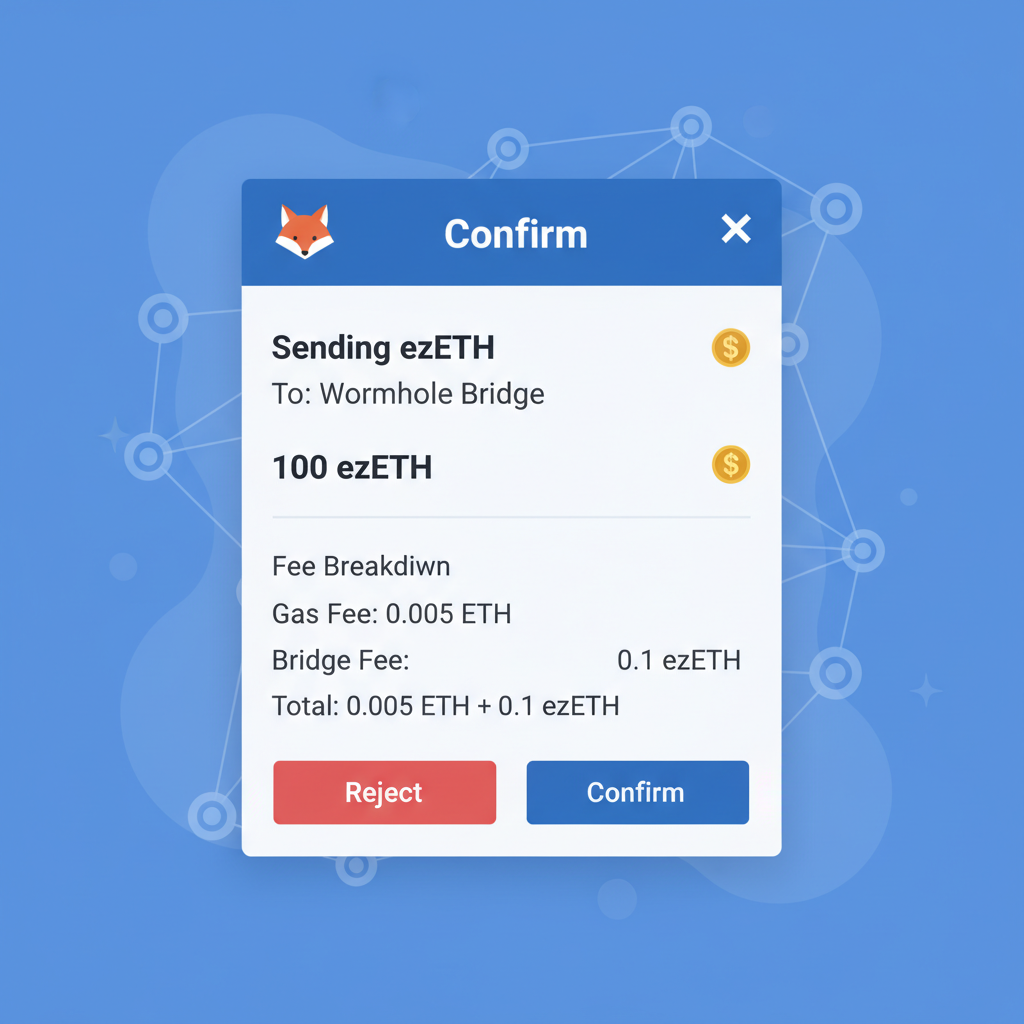
From here, approve the transaction and await confirmation, typically within minutes on Ethereum. ezETH now sits in your wallet, ready for the cross-chain leap essential to restake ETH to Solana effectively.
Step 2: Bridging Assets to Solana Securely
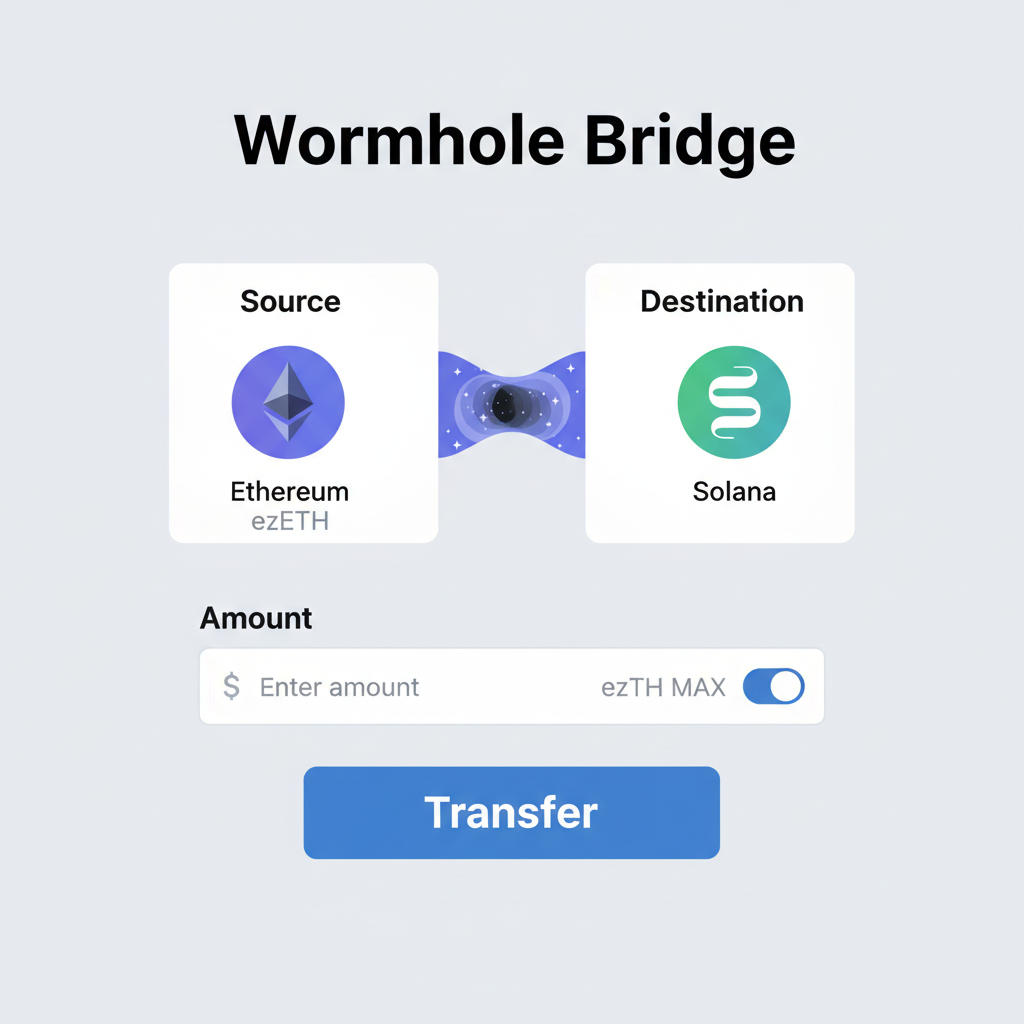
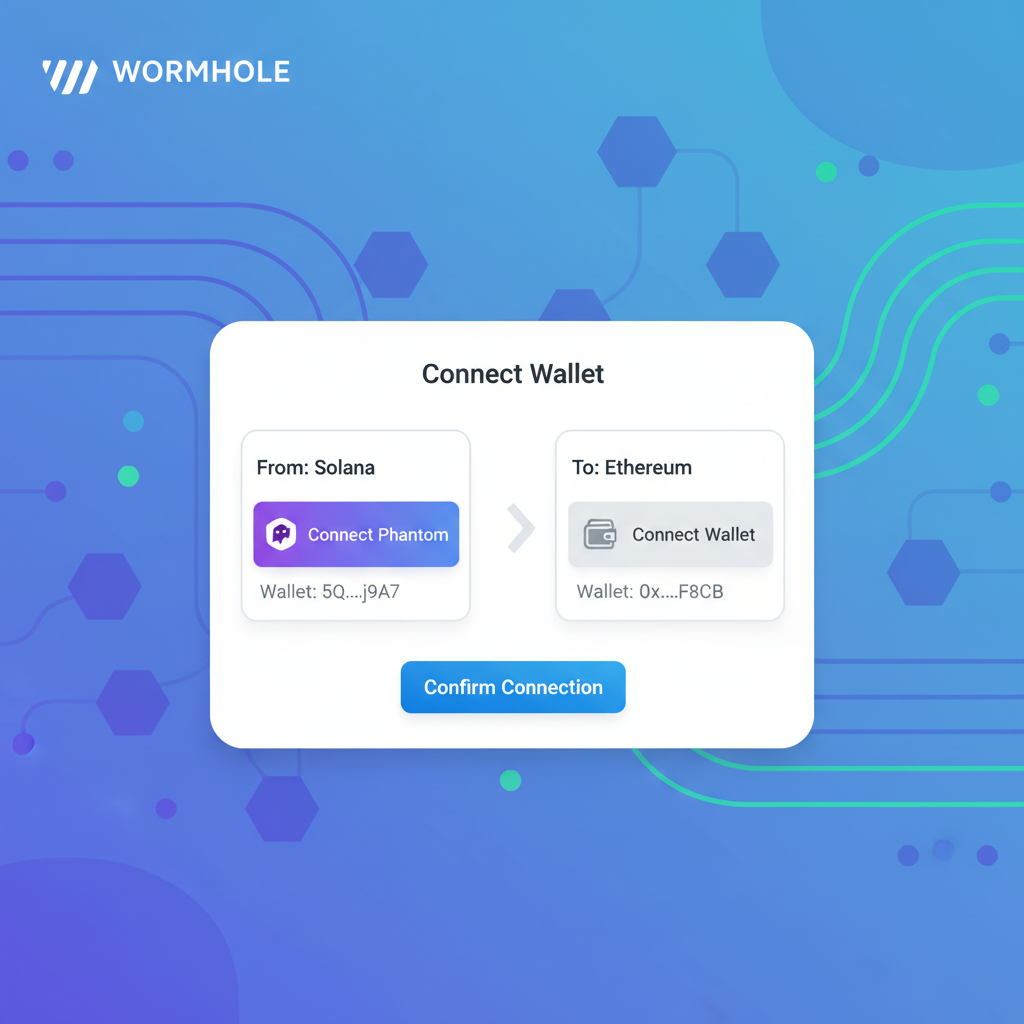
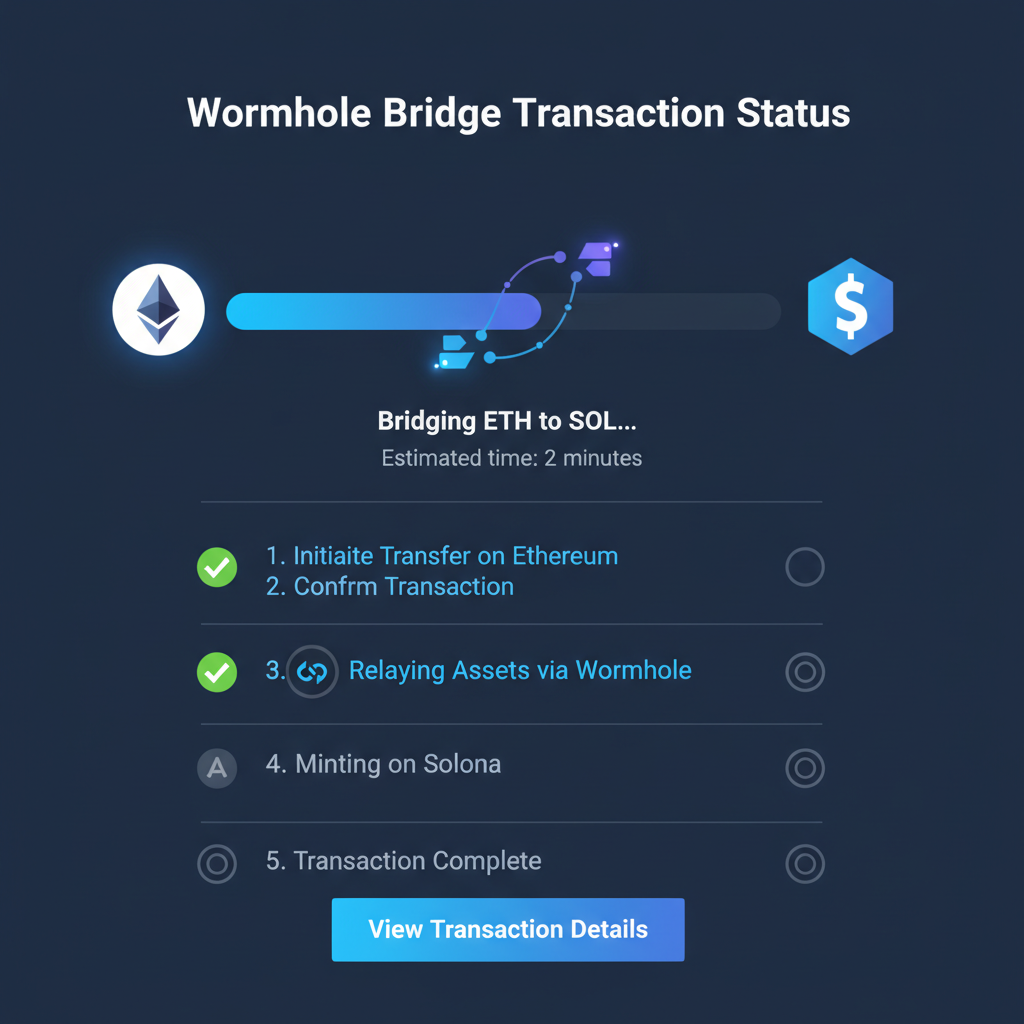
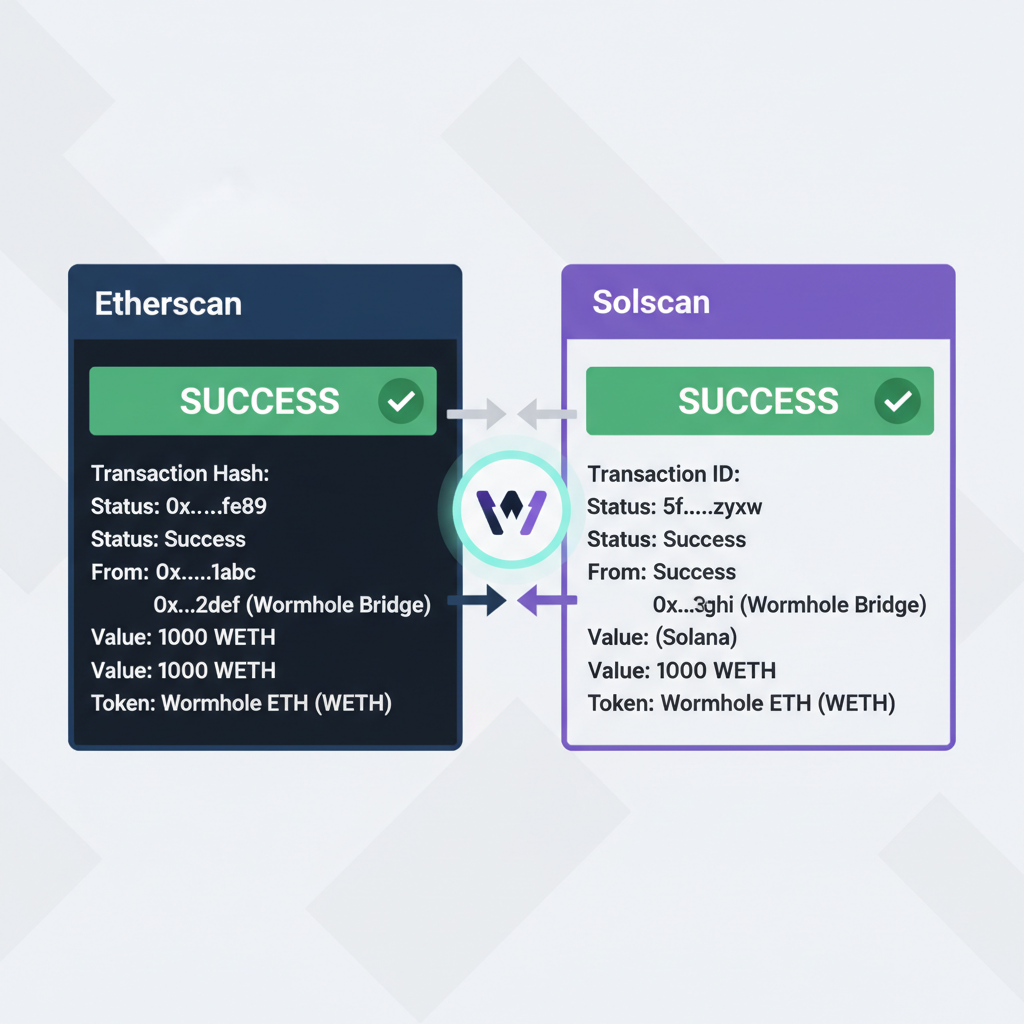
Bridging forms the backbone of Ethereum Solana restaking, but choose portals wisely to sidestep exploits. Wormhole or LayerZero stand out for their audited bridges, supporting ezETH wrappers or direct ETH transfers. Head to the bridge interface, connect both wallets, select Ethereum as source and Solana as destination. Input your ezETH amount, review fees, and execute. Solana’s 400ms confirmations mean near-instant arrival, often under 5 minutes total. Once bridged, swap any ETH equivalent to SOL on Jupiter DEX for optimal rates, factoring in Ethereum’s current $2,255.80 price for position sizing.
Opinion: Bridges remain DeFi’s weak link; I’ve seen too many TVL drains from rushed choices. Allocate only what you can afford to bridge-test first, and use limit orders to tame slippage in volatile swings.
Bridge ezETH Ethereum to Solana via Wormhole: Secure Visual Guide


Step 3: Deploying into Solana Restaking Protocols
With SOL or wrapped assets on Solana, target Jito for MEV-boosted staking or Solayer for validator-centric restaking. For Jito, connect Phantom wallet, deposit SOL to mint JitoSOL, which captures transaction ordering profits atop base yields. Solayer takes it further, letting you restake into pools securing decentralized services, akin to Ethereum’s AVS but tuned for Solana’s scale. Renzo users can mint ezSOL directly post-bridge, compounding Ethereum rewards with Solana’s 70-80% stake rate efficiency.
Platforms like Fragmetric complement this, holding $42 million TVL for seamless SOL restaking. Sequence matters: stake base SOL first, then restake LRTs into multi-chain yield farming pools. Expect layered APYs from 5-15% annualized, varying by protocol and market, but always verify on-chain via Solana Compass dashboards.
Key Solana Restaking Protocols
-

Jito: Focuses on MEV capture through specialized transaction ordering, enhancing yields for Solana stakers.
-

Solayer: Emphasizes validator security and economic coordination within Solana’s high-speed network.
-

Renzo: Provides ezSOL liquid restaking tokens (LRTs) for yield optimization on Solana.
-

Fragmetric: Solana-integrated restaking with $42M TVL, supporting efficient SOL staking.
-
Picasso: Expands utility of restaked assets via protocol integrations on Solana.
Step 4: Liquidity Provision and Yield Compounding
Don’t stop at staking; provide liquidity for ezSOL or JitoSOL on Raydium or Orca to stack trading fees. Pair with USDC for stability, monitoring impermanent loss via tools like DefiLlama. This multi-chain yield farming elevates returns, but cap exposure given Ethereum’s steady $2,255.80 anchor versus Solana’s dynamism. Platforms like crosschainrestaking. com streamline this, offering analytics for shared security restaking across Ethereum, Solana, and beyond, ideal for diversified portfolios.
Compound weekly: harvest rewards, restake into higher-APY pools. My conservative take: automate via limit orders, never exceeding 10% leverage to weather downturns.
Step 5: Ongoing Monitoring and Exit Strategies
Sustainable Ethereum Solana restaking demands vigilance. Track via Dune Analytics for TVL shifts, Zapper for unified positions. Set alerts for slashing events or APY drops below 4%. Rebalance quarterly, withdrawing to Ethereum if Solana volatility spikes. Exit cleanly: unstake LRTs, bridge back, unwrap ezETH for native ETH at $2,255.80 levels.
Crosschainrestaking. com excels here, with real-time tools for risk-adjusted yields, bridging effortlessly to maximize long-term gains. In a landscape of stacked risks, this measured approach – prioritizing security over hype – positions savvy investors ahead.