

In the ever-evolving world of DeFi, liquid cross-chain restaking stands out as a game-changer for holders of Liquid Staking Tokens (LSTs). Imagine earning yields from your staked ETH across 20 and blockchains like Ethereum, Solana, and Binance Smart Chain without ever unstaking. With Ethereum trading at $2,272.69, down just 0.0202% in the last 24 hours, the timing feels ripe for savvy investors to maximize LST multi-chain yields. Platforms like crosschainrestaking. com make this seamless, bridging assets effortlessly while protocols such as EigenLayer and Chainlink's CCIP handle the heavy lifting.
This isn't just hype. Recent integrations, like Swell's rswETH on OKX's L2, show how LST holders can restake without liquidity locks. Yields? Think up to 20% APR on assets like stETH or rsETH via Kelp DAO's support for over 10 networks. But as with any high-reward play, risks lurk: oracle dependencies, slashing events, and smart contract bugs demand vigilance.
From LST Foundations to Cross-Chain Powerhouses
Liquid Staking Tokens flipped the script on traditional staking. Instead of locking ETH for months, protocols like Lido birthed stETH, letting you stake and trade simultaneously. Fast-forward to liquid restaking tokens (LRTs), and EigenLayer pioneered restaking staked assets to secure Actively Validated Services (AVS). Now, cross-chain extensions push this further. Chainlink's Automation and CCIP sync LST/LRT rates securely across chains, unlocking true multi-chain liquidity as detailed in their blog.
Research from arXiv's SoK on LSTs highlights restaking's leap to cross-chain security: stake on one PoS chain, restake to protect others. Gemini Trust nails it: liquid staking keeps tokens fluid for DeFi plays while earning base yields. Yet, Three Sigma's breakdown clarifies the jump to liquid restaking, layering extra rewards atop staking without added illiquidity.
Tokens staked on one PoS chain are restaked to secure others, amplifying capital efficiency in the multi-chain era.
How Liquid Cross-Chain Restaking Delivers LST Multi-Chain Yields
At its core, liquid cross-chain restaking uses bridges, oracles, and shared security models. You hold an LST like ETHx, deposit into a restaking vault on crosschainrestaking. com, and it deploys across chains via protocols like Symbiotic or Karak. No unstaking needed; LRTs represent your position, accruing yields from multiple networks.
ChainUp's 2025 restaking roundup spotlights EigenLayer's dominance, with Karak and Babylon expanding to non-EVM chains. Codezeros' guide emphasizes enterprise-grade infrastructure securing these layers. For yields, Kelp DAO restakes LSTs across 10 and networks at 20% APR potential, per market data. But ChainScore Labs warns of oracle risks in cross-chain setups, where faulty price feeds could cascade failures.
Picture this: your stETH earns Ethereum staking rewards, plus AVS points on Solana sequencers, all liquid via LRT wrappers. Crosschainrestaking LST guide users love the real-time analytics and risk dashboards, tailoring exposure by chain TVL and sentiment.
Ethereum (ETH) Price Prediction 2027-2032
Forecasts driven by liquid cross-chain restaking adoption trends, LST/LRT yield unlocks, and market cycles (baseline: $2,273 in 2026)
| Year | Minimum Price | Average Price | Maximum Price | YoY Growth % (Avg) |
|---|---|---|---|---|
| 2027 | $2,800 | $4,200 | $6,000 | +85% |
| 2028 | $3,500 | $6,000 | $9,500 | +43% |
| 2029 | $4,500 | $8,500 | $13,000 | +42% |
| 2030 | $6,000 | $11,500 | $18,000 | +35% |
| 2031 | $8,000 | $15,000 | $23,000 | +30% |
| 2032 | $10,000 | $19,500 | $30,000 | +30% |
Price Prediction Summary
ETH prices are projected to grow significantly from 2027-2032, fueled by cross-chain restaking protocols like EigenLayer and Kelp DAO, which unlock yields up to 20% APR across 20+ chains without unstaking. Average prices rise from $4,200 to $19,500, reflecting bullish adoption tempered by risks like oracle vulnerabilities and slashing. Min/max ranges account for bearish corrections and bull market peaks.
Key Factors Affecting Ethereum Price
- Mass adoption of LSTs/LRTs (e.g., stETH, rsETH) boosting ETH staking TVL
- Cross-chain restaking yields and liquidity enhancements via Chainlink CCIP/Automation
- Ethereum scalability upgrades (e.g., post-Dencun effects)
- Regulatory clarity on staking/restaking
- Market cycles with potential 2028-2029 bull run
- Competition from L2s and alt-L1s
- Risks: slashing, smart contract bugs, oracle failures
Disclaimer: Cryptocurrency price predictions are speculative and based on current market analysis. Actual prices may vary significantly due to market volatility, regulatory changes, and other factors. Always do your own research before making investment decisions.
Standout Protocols Fueling the Cross-Chain Boom
EigenLayer leads with billions in TVL, enabling LST restaking for Ethereum AVS while eyeing multi-chain. Symbiotic's permissionless model lets any chain tap restaked security, per BuildBear's analysis. Karak streamlines operator networks for scalability, and Solayer brings Solana-native restaking.
OneKey demystifies the LST-to-LRT evolution, rooted in Ethereum but exploding cross-chain. Swell's OKX collab boosts L2 restaking, converting LSTs to rswETH seamlessly. As a CFA holder blending TVL metrics with sentiment, I see diversified chains as the path to wins. Ethereum at $2,272.69 underscores stability amid volatility, perfect for layering yields.
Babylon pioneers Bitcoin restaking, hinting at BTC LSTs joining the fray. Yet, protocols must address liquidity crunches during mass exits, a flaw in early designs.
Early adopters learned this the hard way during EigenLayer's initial surges, when redemption queues ballooned. Platforms now counter with dynamic liquidity pools and Chainlink oracles for real-time rate syncs, minimizing those bottlenecks. Still, my take? Prioritize protocols with proven operator diversity, like Karak's network, over yield-chasing alone.
Navigating Risks in Liquid Cross-Chain Restaking
Let's cut through the optimism: liquid cross-chain restaking amplifies rewards but stacks risks. Slashing hits if operators falter on AVS duties, potentially wiping 5-10% of positions. Smart contract exploits, as flagged in BuildBear's protocol showdown, loom large, Symbiotic's modular design shines here for auditability. Oracle risks top ChainScore Labs' hit list; a bad feed skews LST values cross-chain, triggering liquidations.
Then there's correlation creep: all chains tanking together drags LST multi-chain yields down. Liquidity? Mass unstaking events expose thin order books, spiking slippage. Yet, data from arXiv's LST trends shows maturing shared security models cut these odds. Ethereum's steady $2,272.69 price, post a mild 24-hour dip to $2,115.33 low, signals resilience, ideal for layering restaked positions without panic.
Diversification is your shield. Spread LSTs across EigenLayer for Ethereum depth, Karak for scalability, and Babylon's Bitcoin twist for orthogonal exposure. Crosschainrestaking. com's risk dashboards quantify slashing probabilities via TVL and sentiment scans, letting you dial in tolerance.
Comparison of Top Restaking Protocols
| Protocol | TVL | Chains Supported | APR Range | Key Risks |
|---|---|---|---|---|
| EigenLayer | ~$15B | 1 (Ethereum) 🌐 | 4-10% 📈 | Slashing, AVS risks ⚠️💀 |
| Symbiotic | ~$2B | 20+ 🛤️ | 5-18% 🔥 | Oracle dependency, smart contracts ⚠️🔗 |
| Karak | ~$800M | 15+ 🛤️ | 6-20% 🔥🔥 | Liquidity, interoperability ⚠️🌉 |
| Kelp DAO | ~$300M | 10+ 🛤️ | Up to 20% 🔥🔥🔥 | Cross-chain bridges, slashing ⚠️🔥 |
Step-by-Step: Launching Your LST Multi-Chain Yields
Ready to dive in? No gatekeeping here provides crosschainrestaking LST guide basics make it straightforward for yield farmers at any level. Start with audited LSTs like stETH or ETHx, then vault them for cross-chain action. Yields compound as base staking meets AVS rewards, often hitting double digits without touching principal.
Unlock LST Yields Across 20+ Chains: 5-Step Restaking Guide


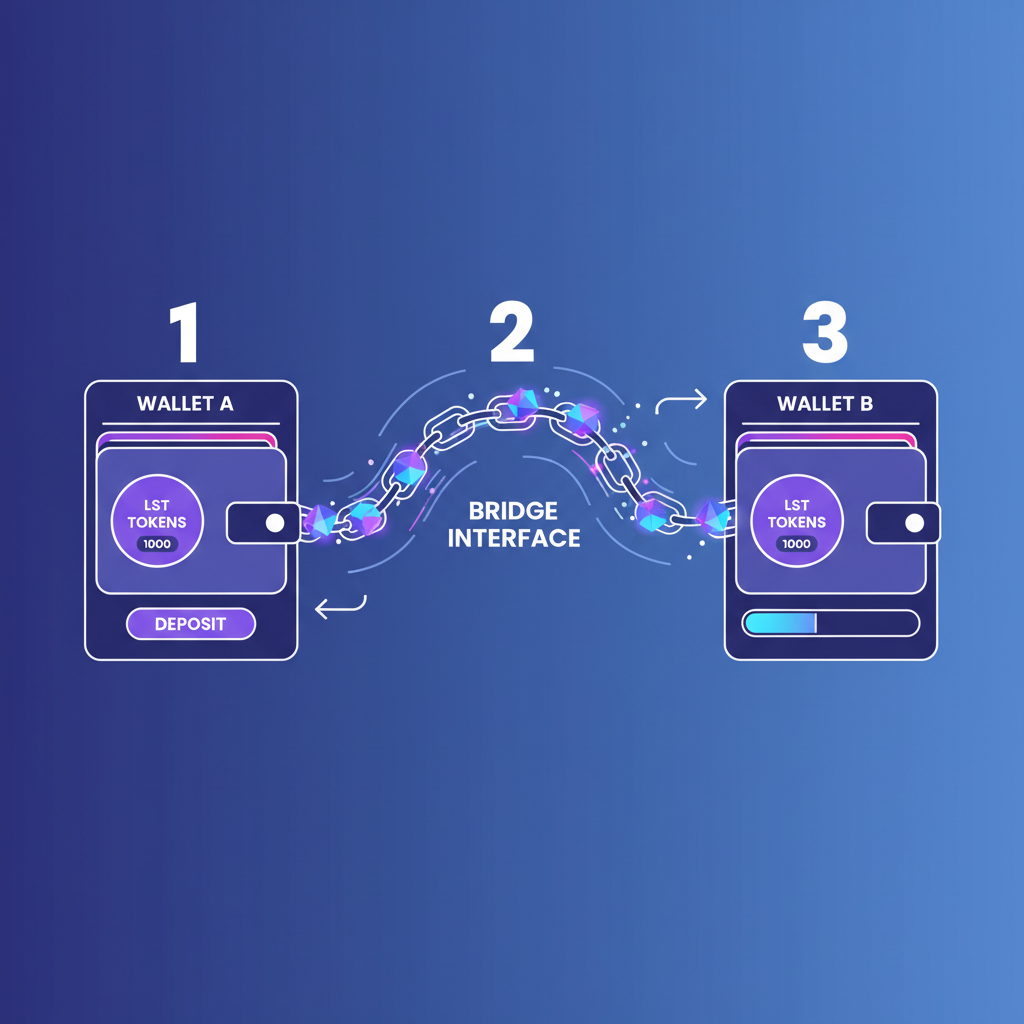
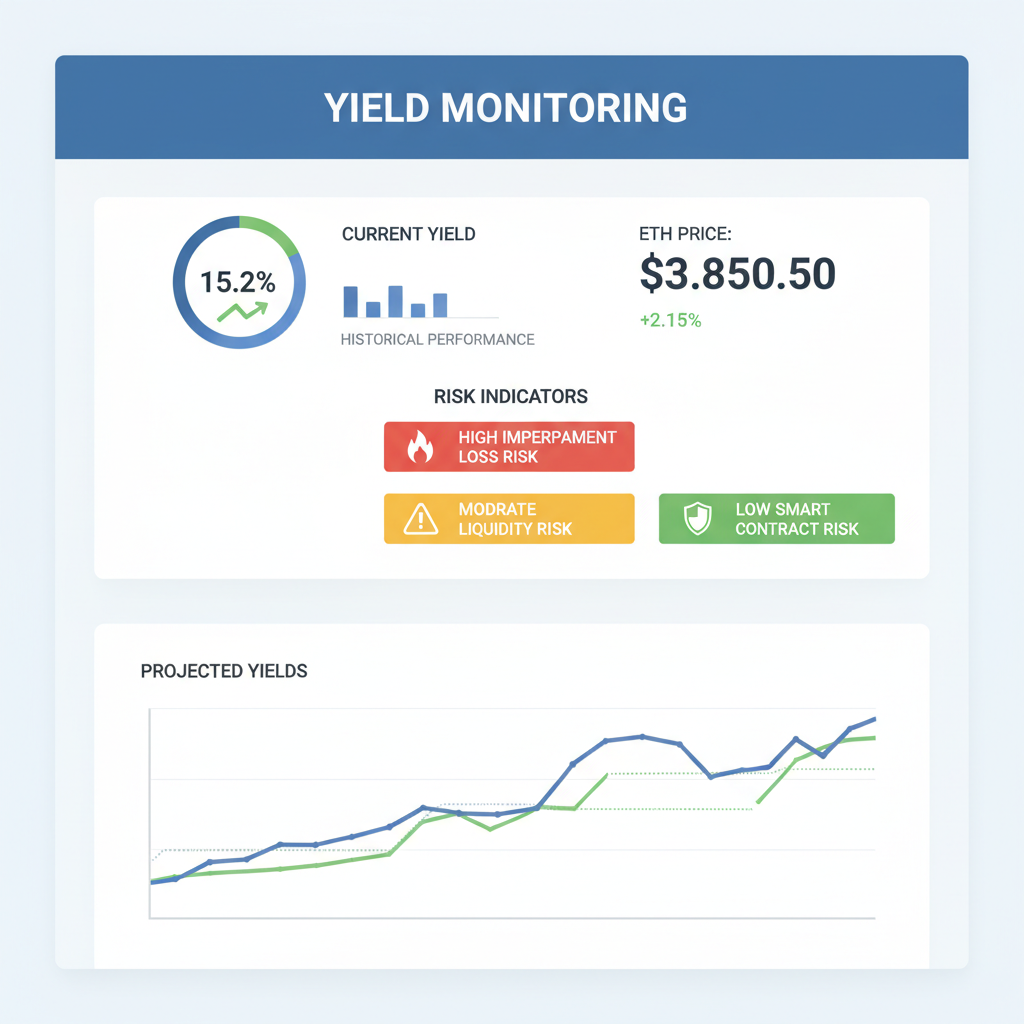
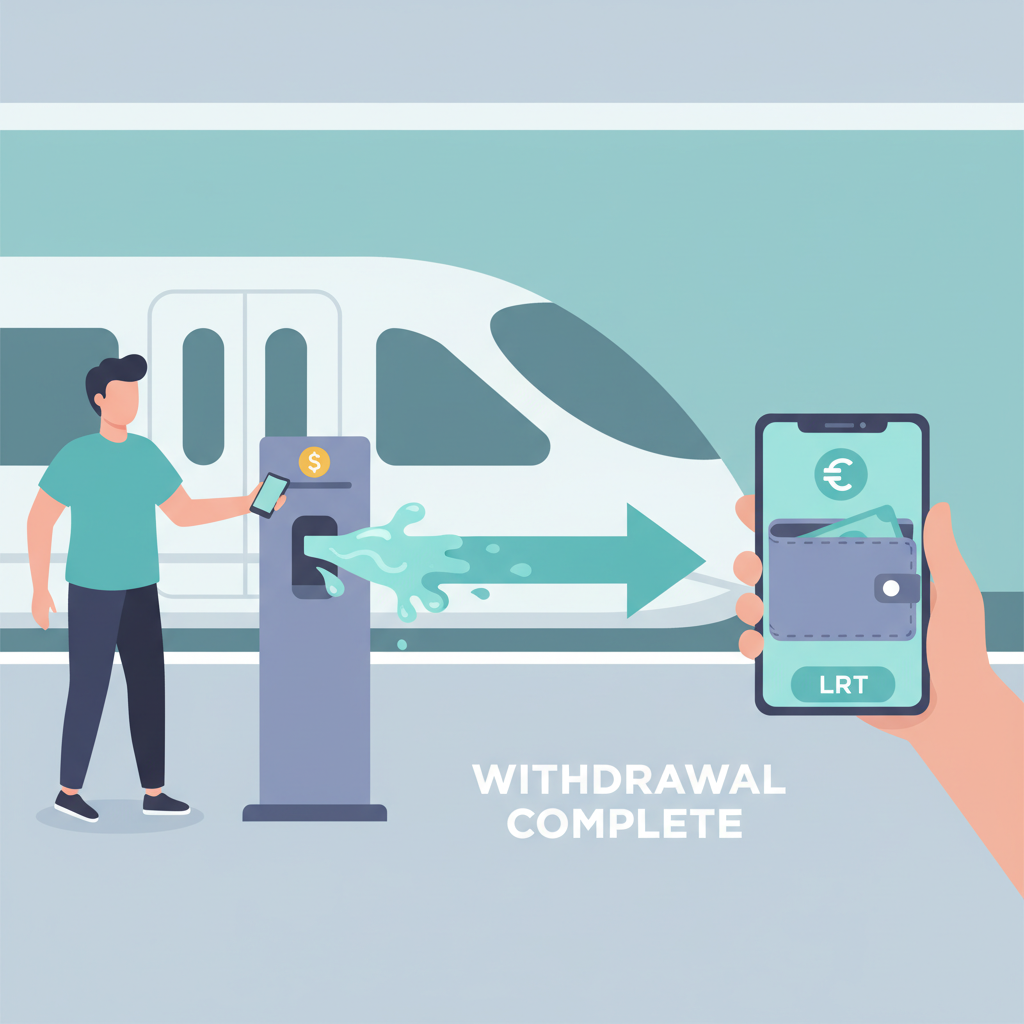
Post-deposit, track via real-time feeds. Kelp DAO's 10 and chain support exemplifies this, blending Solana speed with BSC volume. Swell's rswETH on OKX L2 proves LRTs evolve fast, restaking LSTs natively. Opinion: Skip solo runs; aggregated platforms like ours optimize routing for peak APYs.
Future-Proofing with Cross-Chain LST Strategies
2025's restaking landscape, per ChainUp, favors hybrids: EigenLayer's Ethereum core plus Solayer's Solana push. Bitcoin restaking via Babylon could mint BTC LSTs, fusing PoW security with PoS yields. Codezeros stresses enterprise rails for institutions eyeing billions in TVL.
For retail? Blend sentiment with metrics, rising Solana TVL screams opportunity amid ETH's $2,272.69 anchor. Gemini's liquid staking primer reminds us: liquidity trumps lockups every time. Three Sigma's LST vs. LRT explainer? Restaking layers 2-5x multipliers on yields, cross-chain style.
OneKey's sector deep-dive predicts LRT dominance as CCIP scales. My hybrid lens: Allocate 40% Ethereum LSTs for stability, 30% Solana for growth, 30% exotics like Karak. This nets diversified wins, dodging single-chain slumps.
Crosschainrestaking. com tailors these for your profile, from conservative to aggressive. With ETH holding firm after touching $2,329.15 highs, now's the pivot point. Restake smart, stay liquid, and watch yields stack across chains, the multi-chain era rewards the prepared.




No comments yet. Be the first to share your thoughts!